
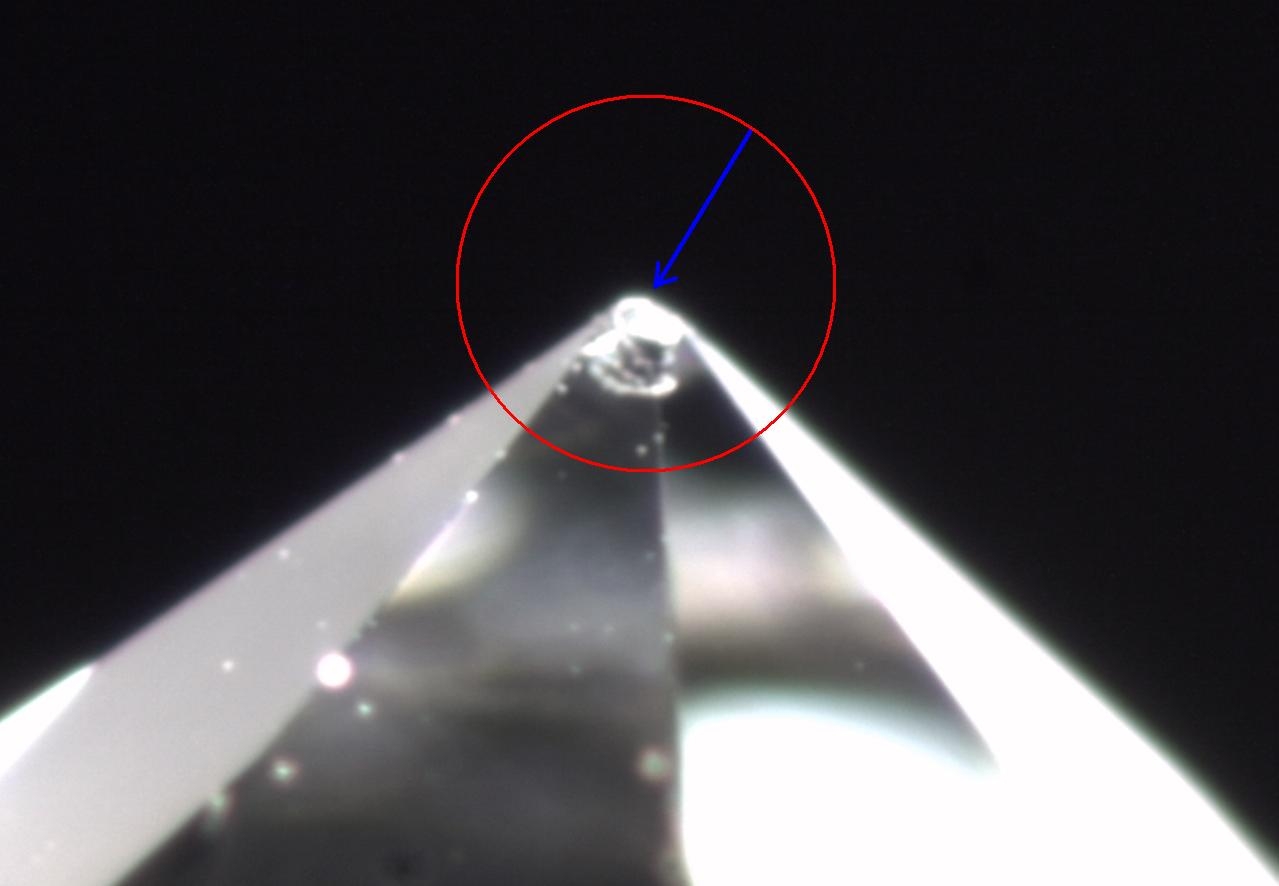
Abraded Culet
An abraded culet refers to a diamond culet (the small facet at the bottom of the diamond)[…]
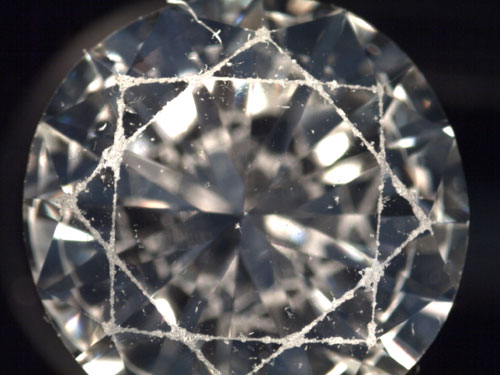
Abraded Facet Edge
An abraded facet edge in a diamond refers to the condition where the sharp edges of a[…]
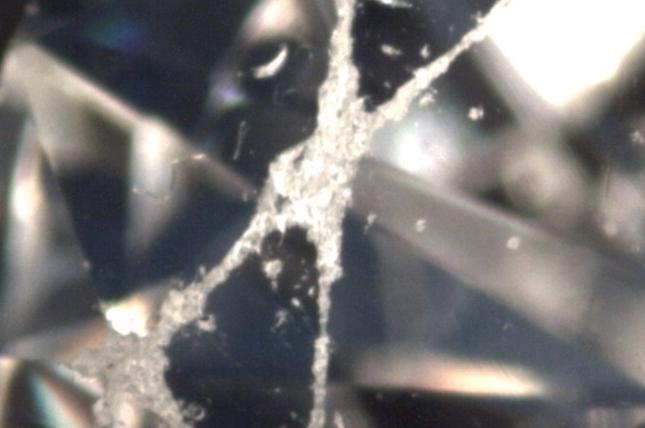
Abrasion
Abrasion on a diamond refers to the process where the surface or facets of a diamond become[…]
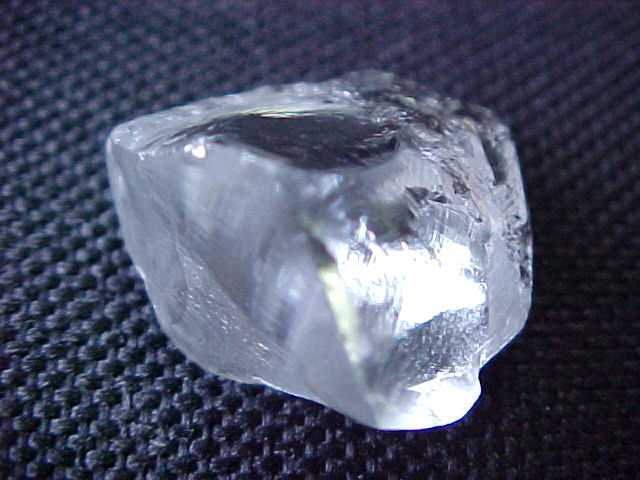
Annealing
Annealing diamond refers to a process in which diamonds are heated to high temperatures in a controlled[…]
Appraisal
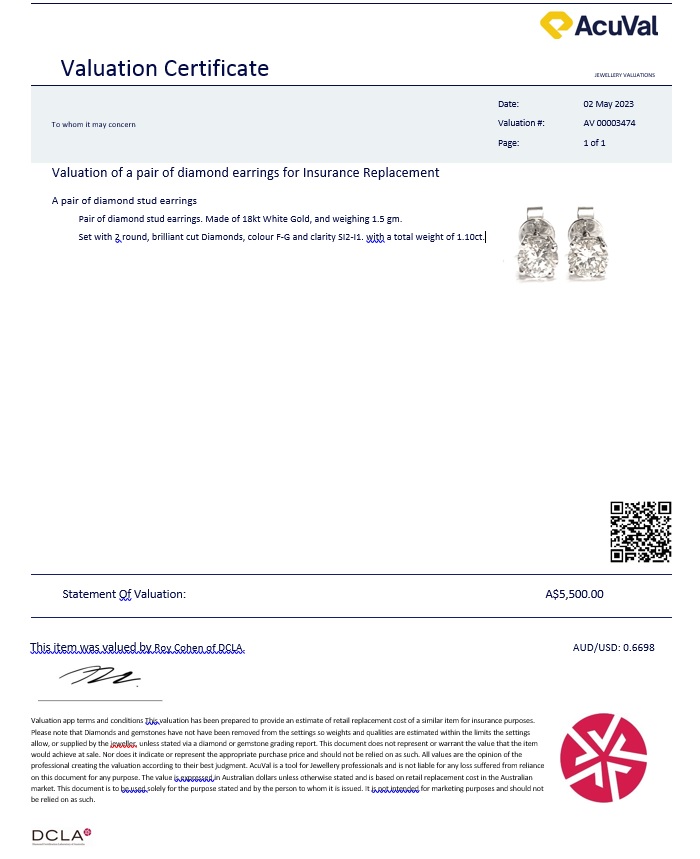
Diamond or Jewellery Appraisal or Valuation is a professional evaluation of a diamond or piece of jewellery[…]
Asscher Cut
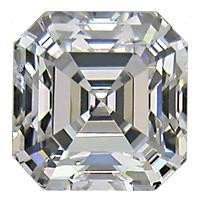
The Asscher Cut is a distinctive and elegant diamond shape, known for its square shape and step-cut
Baguette Cut
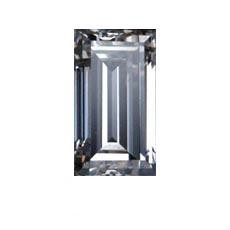
The Baguette Cut is a distinct rectangular diamond shape, typically with step-cut faceting, although it can also[…]
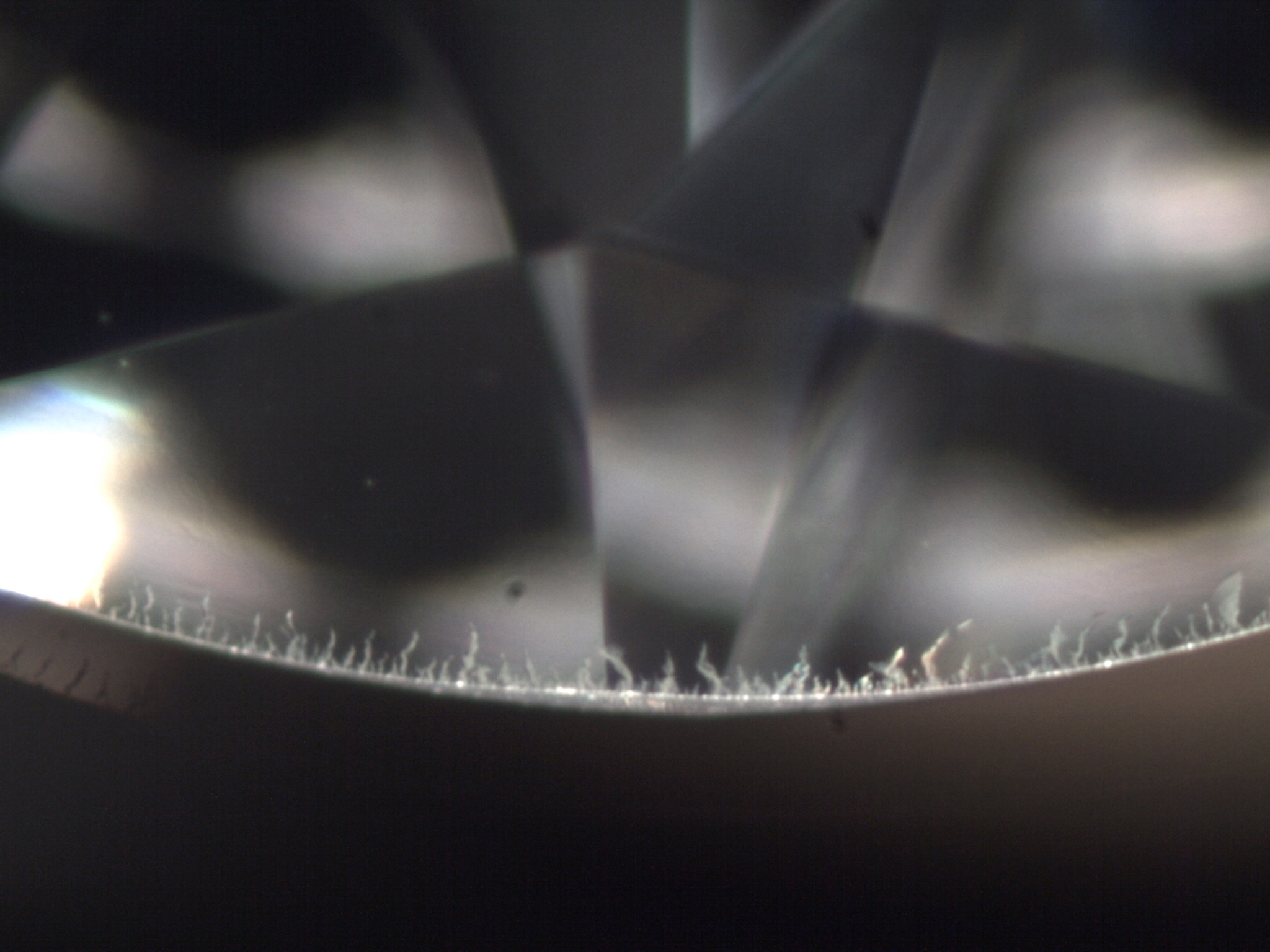
Bearding
Bearding in a diamond refers to the small, hairline fractures or feather-like inclusions that appear along the[…]
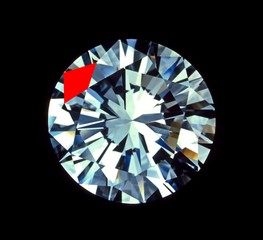
Bezel Facets
Bezel facets in a diamond refer to the flat, triangular facets that are found on the crown[…]
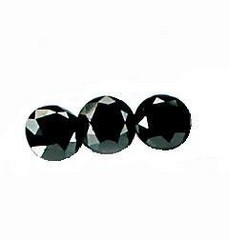
Black Diamond
A black diamond is a type of diamond that is opaque or dark in colour, typically appearing[…]
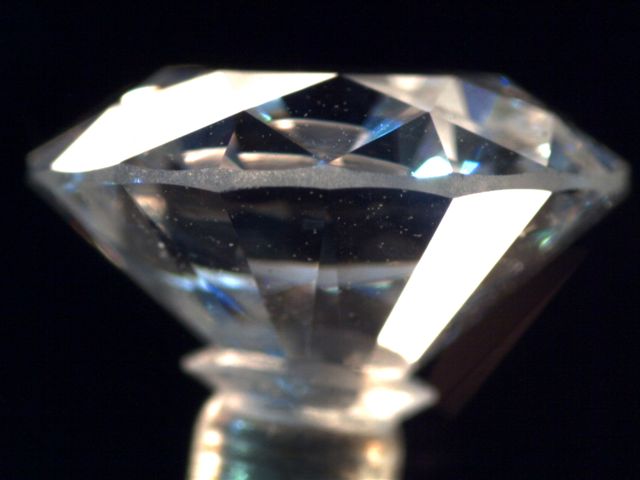
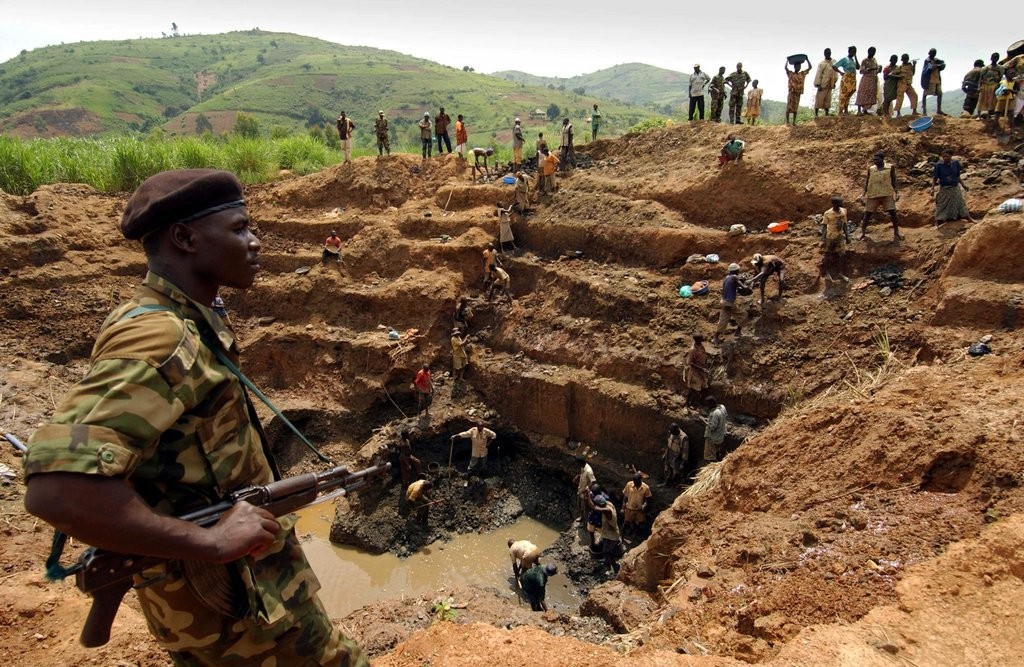
Blood Diamond
A blood diamond (also known as a conflict diamond) refers to a diamond that is mined in[…]
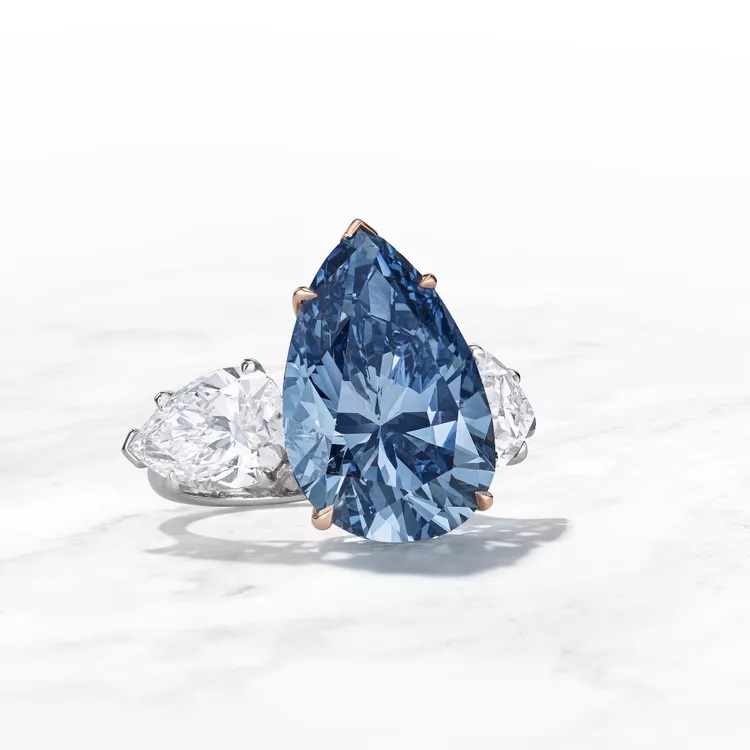
Blue Diamond
A blue diamond is one of the rarest and most sought-after types of coloured diamonds, known for[…]
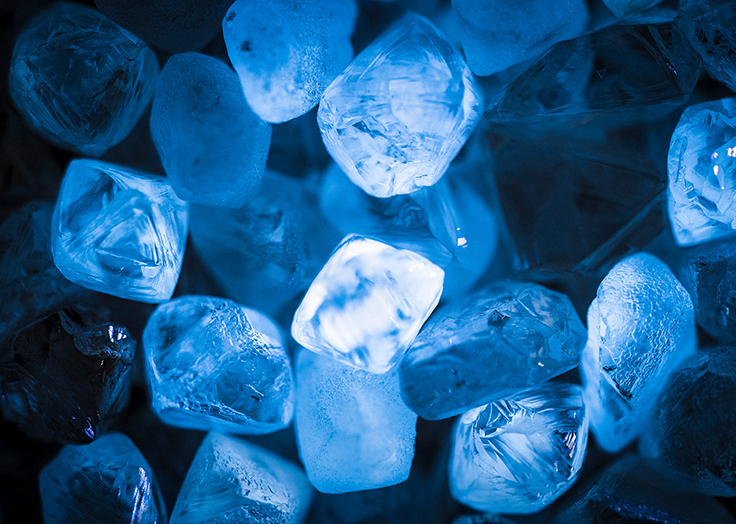
Blue-white
A blue-white diamond is a type of diamond that displays a combination of both blue and white[…]
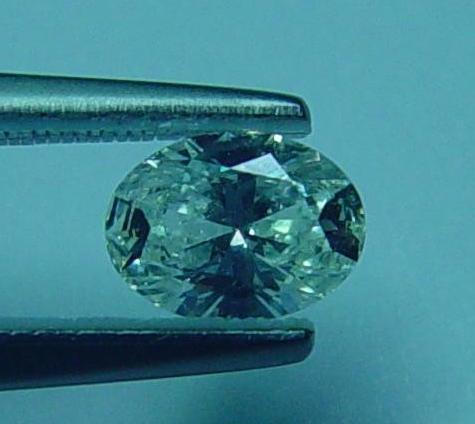
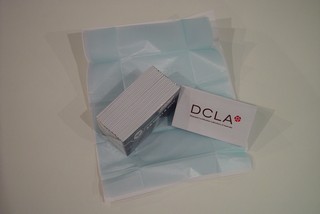
Briefca
Diamond briefca (sometimes spelled briefcase or brief), which is a small, folded, envelope-like paper used to safely[…]
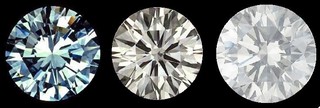
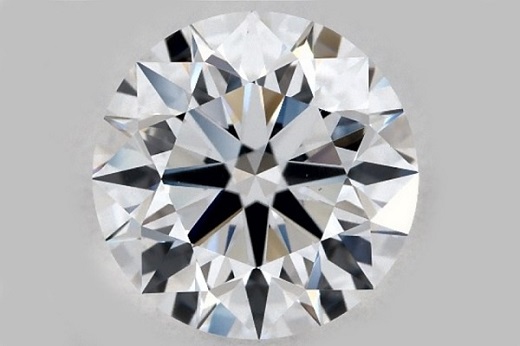
Brilliant Cut
The brilliant cut is one of the most popular and widely used diamond cuts, known for its[…]
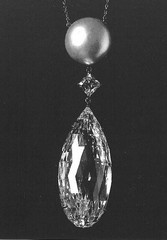
Briolette Diamond
A briolette diamond is a unique and beautiful cut that features a tear-drop or pear shape with[…]
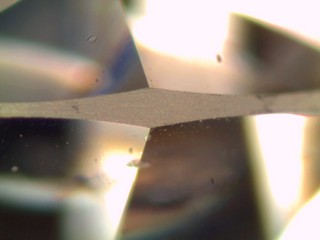
Bruted Girdle
A bruted diamond girdle refers to the technique used in the finishing process of a diamond, specifically[…]
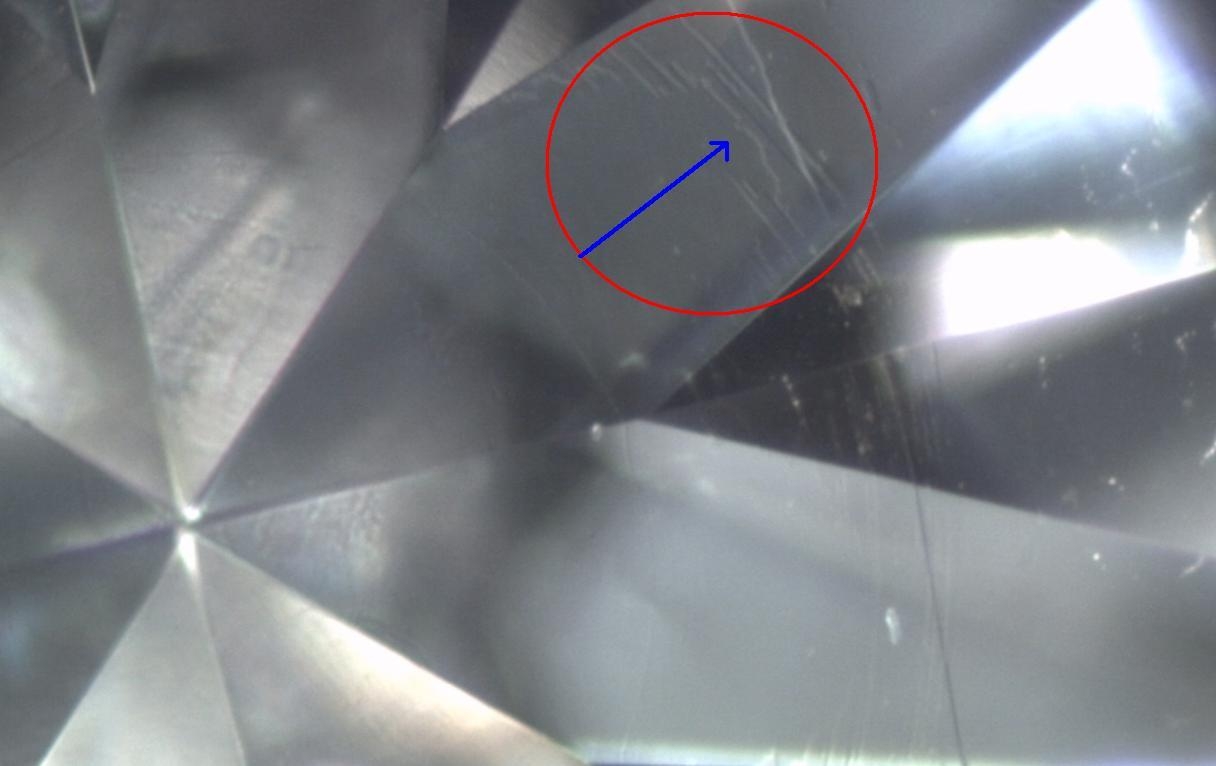
Burn Mark
A burn mark on a diamond facet typically refers to a discoloration or imperfection caused by excessive[…]
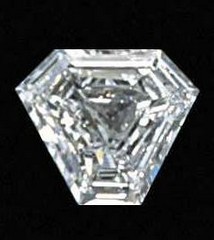
Calfs Head Diamond
The Calf’s Head Diamond is a historic and notable diamond that is part of British royal history.
Can I bring my diamond jewellery to the laboratory for certification?
Can I bring my diamond jewellery to the laboratory for certification?
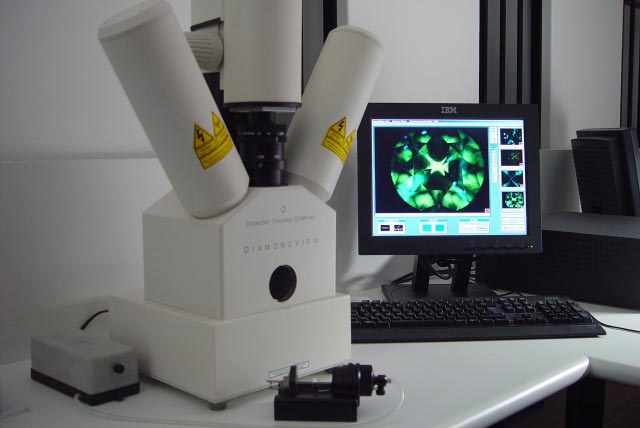
Can you identify the latest diamond simulants, diamond treatments, and synthetic diamonds?
Can you identify the latest diamond simulants, diamond treatments, and synthetic diamonds?
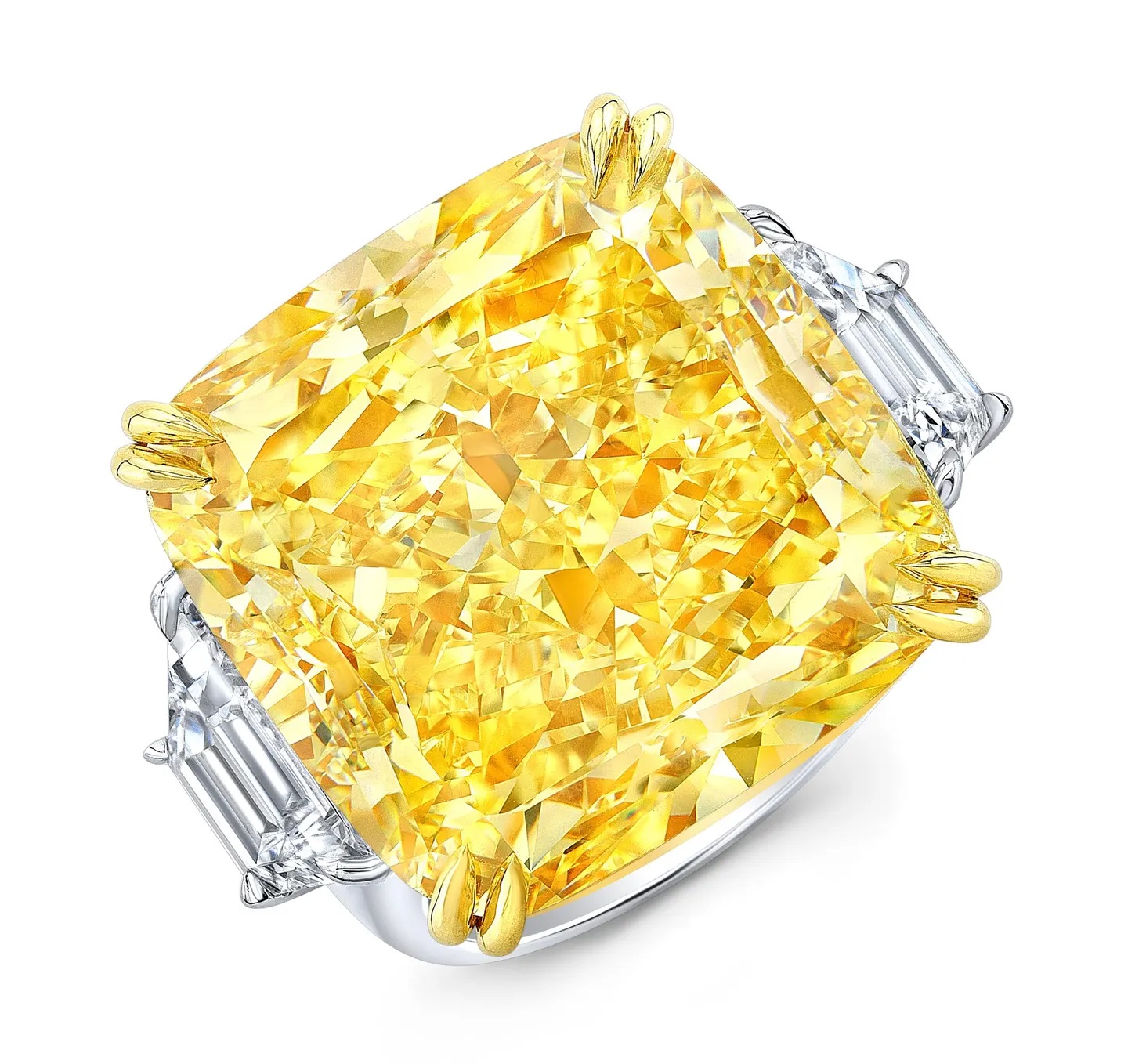
Canary Diamond
A Canary Diamond is a highly sought-after type of fancy yellow diamond known for its rich, intense[…]
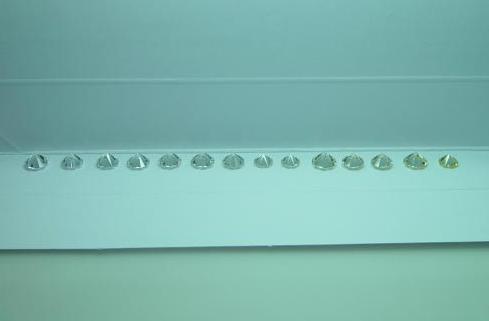
Cape Series Diamonds
Cape Series Diamonds refer to a category of diamonds that exhibit a noticeable yellow or brown tint[…]
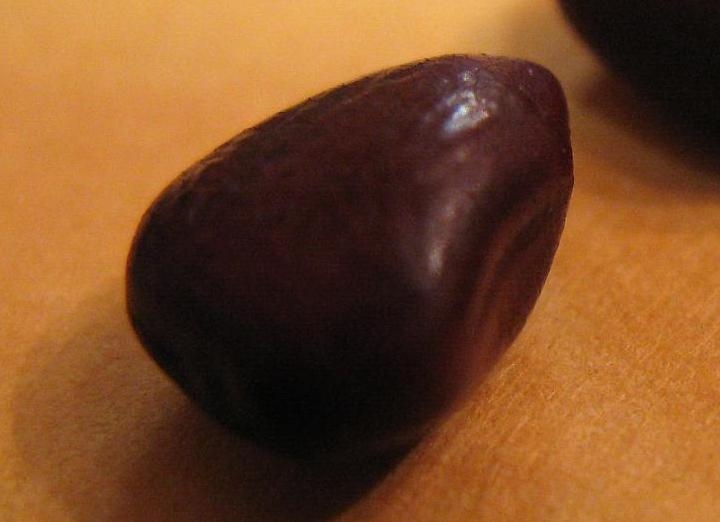
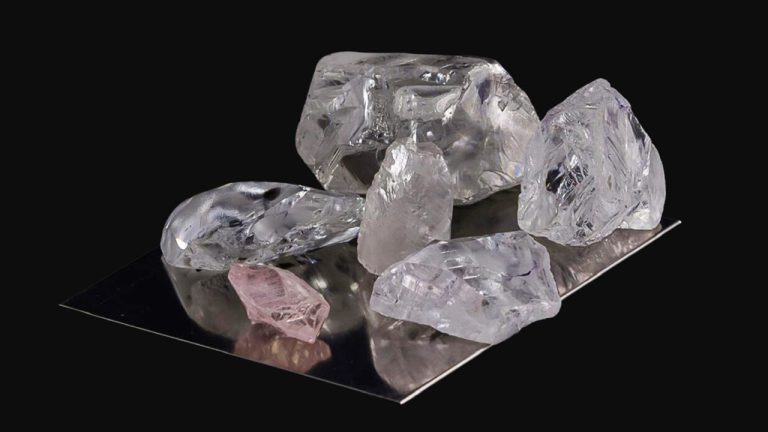
Carbon
Diamonds are made of pure carbon, but their unique atomic structure is what gives them their remarkable
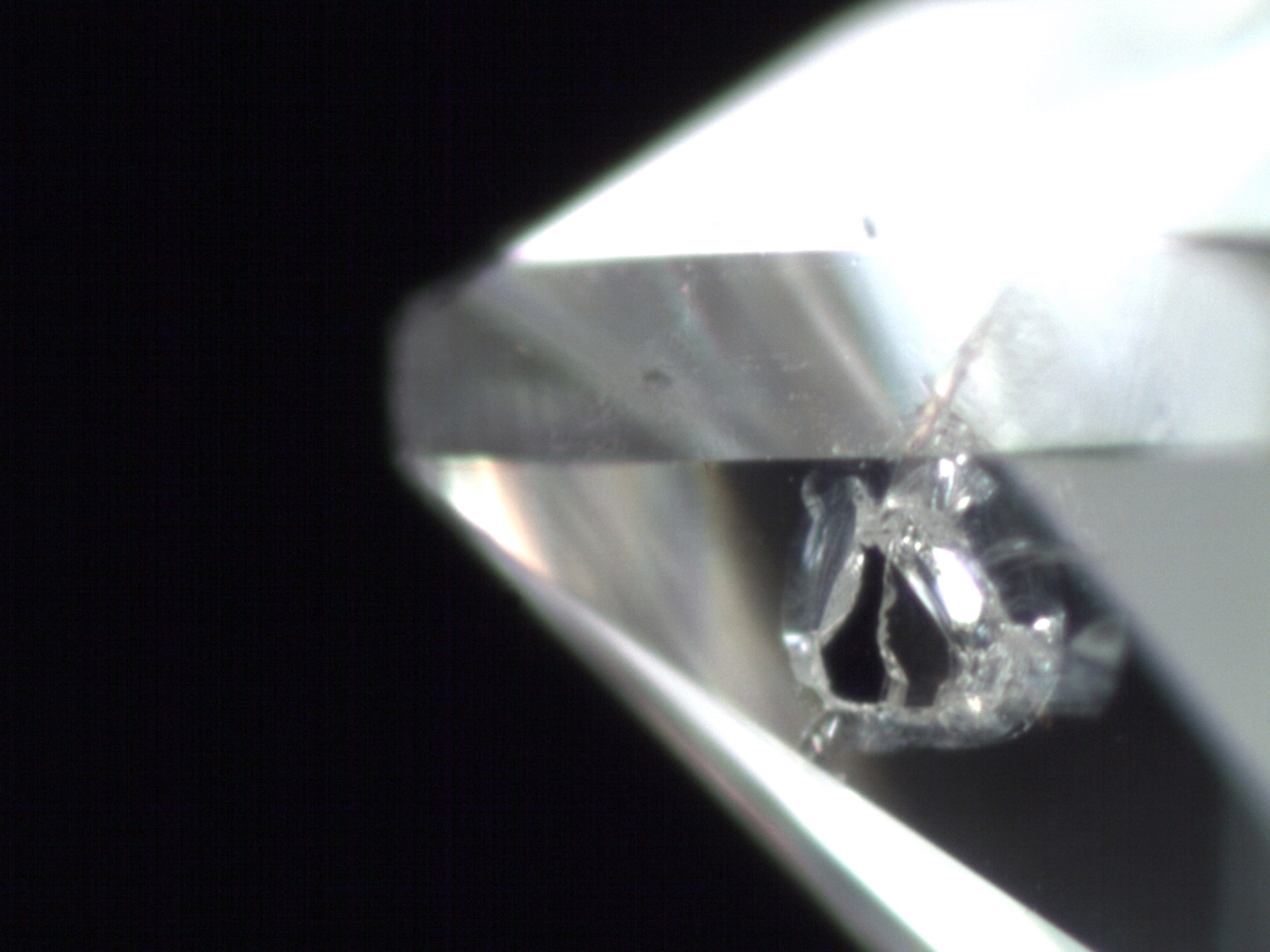
Carbon Spots
Small black graphite inclusions in a diamond are a type of natural impurity that occurs during the[…]
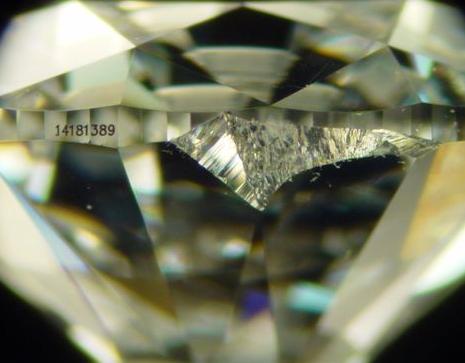
Cavity
Type of diamond inclusion that appears as an opening or large indentation on the surface of a diamond
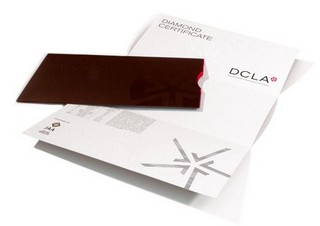
Certificate
A diamond certificate, also known as a diamond grading report, is an official document issued by a[…]
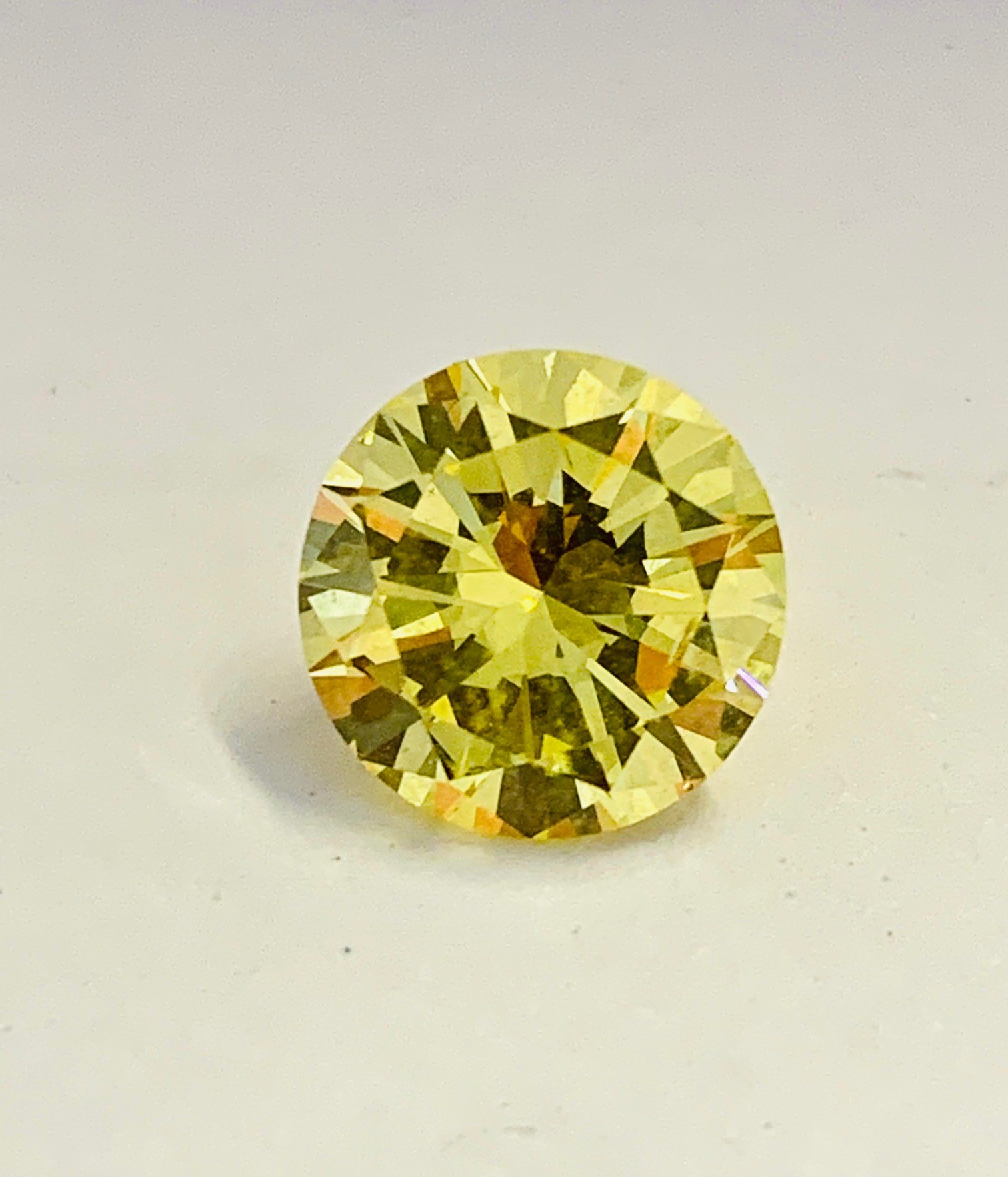
Chameleon-Type Diamond
Chameleon diamonds typically shift from an olive green or grayish-green hue to a yellow or orangey-yellow shade[…]
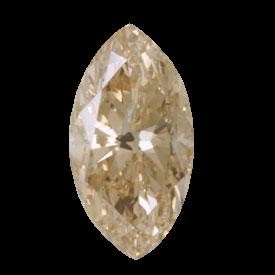
Champagne Diamond
A champagne diamond is a type of fancy-coloured diamond that exhibits a warm brown hue with subtle[…]

CIBJO
CIBJO, also known as The World Jewellery Confederation, is a global organization that represents the jewellery industry.[…]
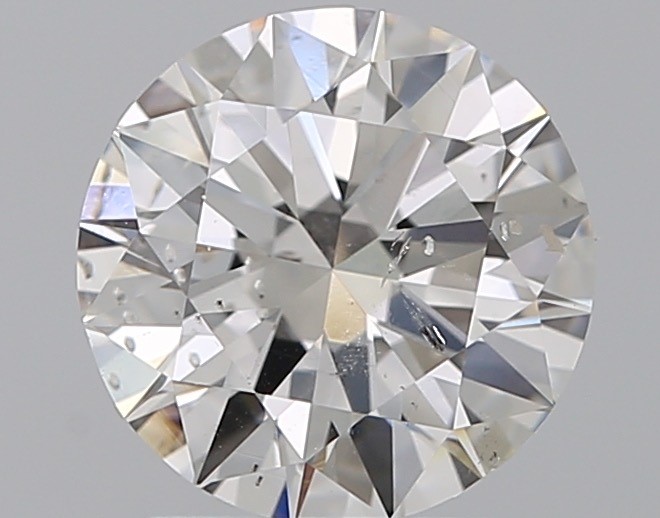
Clarity
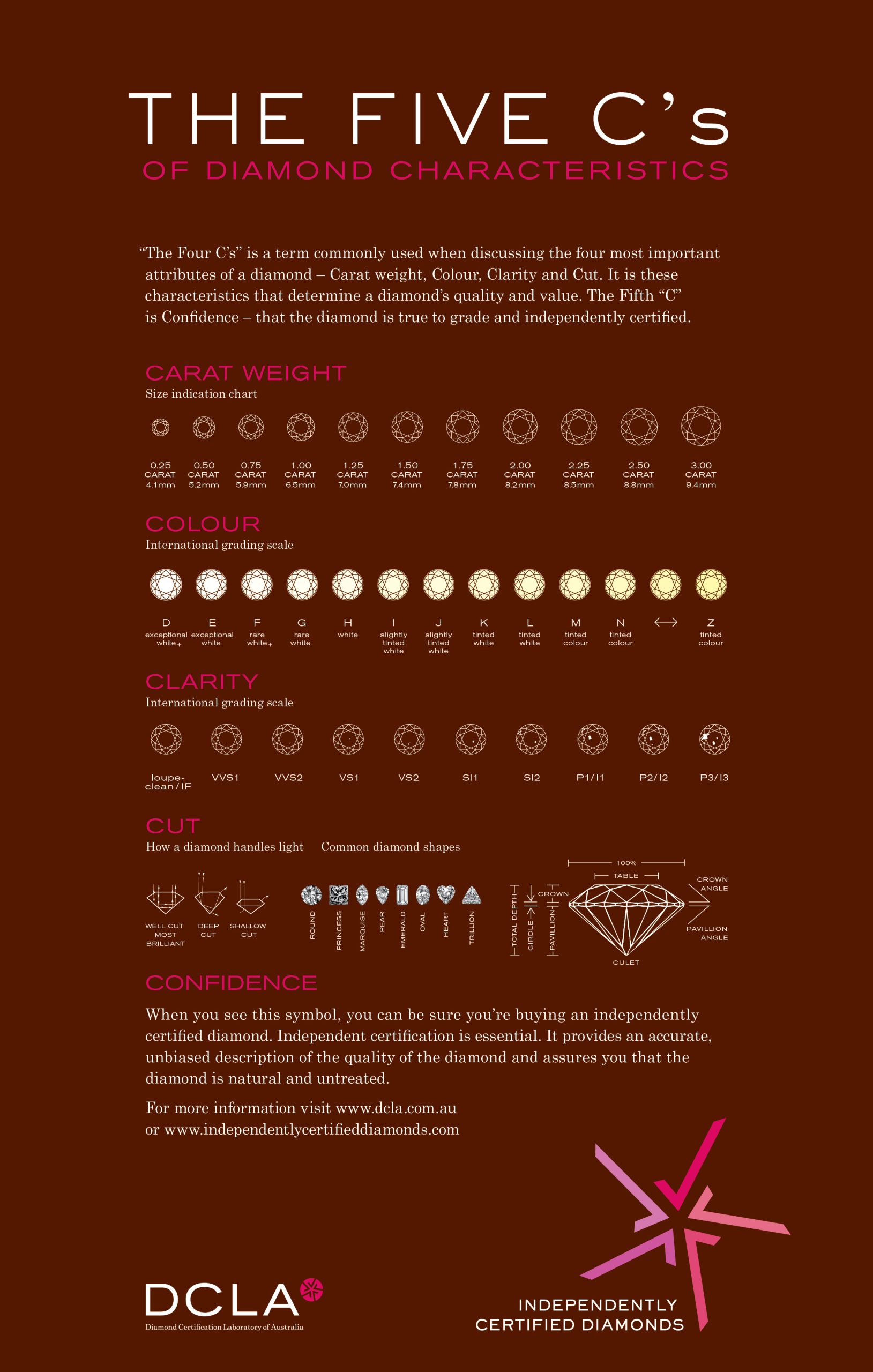
Diamond clarity refers to the presence and visibility of inclusions (internal flaws) and blemishes (external flaws) within[…]
Clarity Enhancement
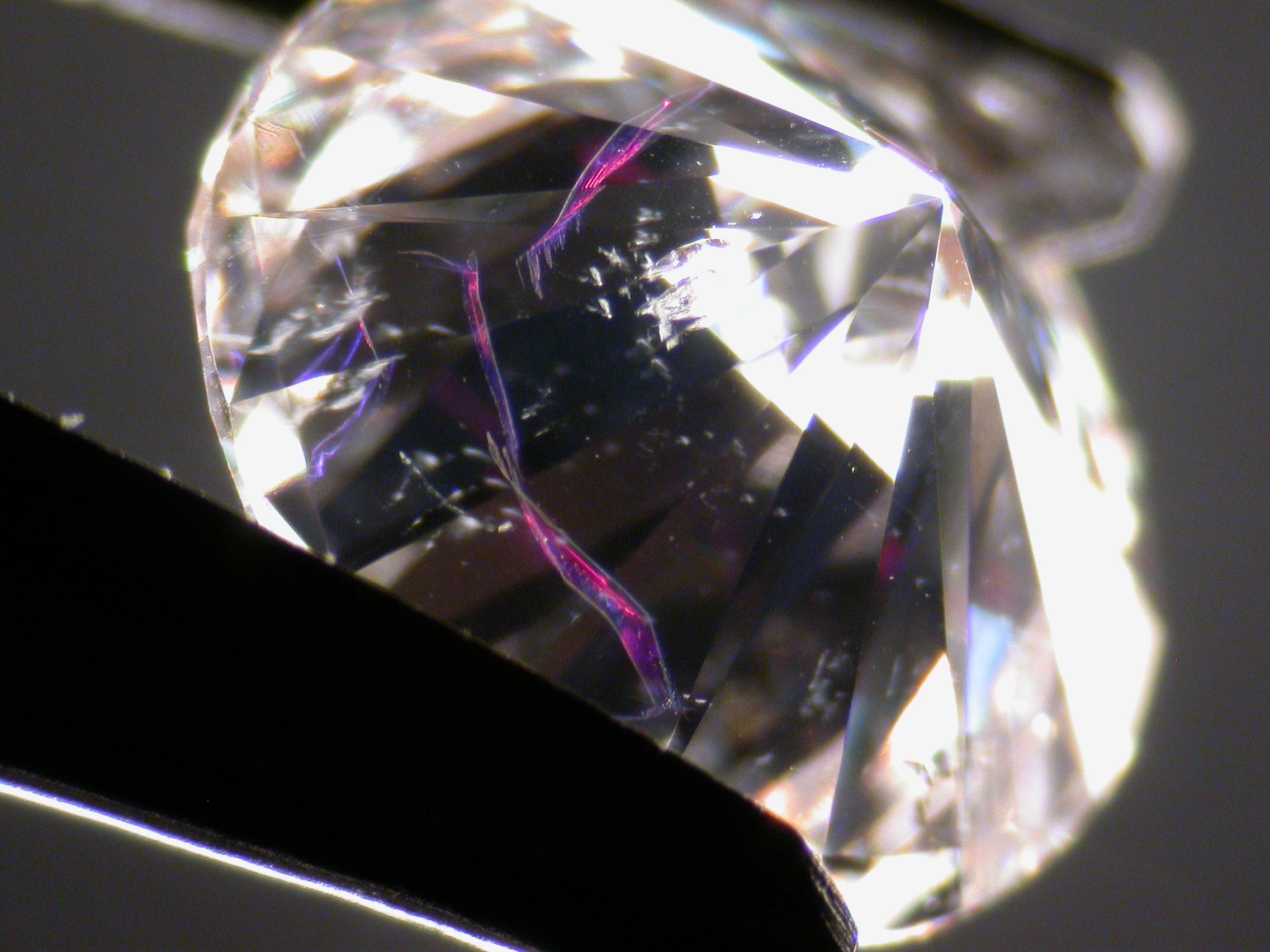
Clarity enhancement in diamonds refers to the process of improving the appearance of a diamond by reducing[…]
Cleavage
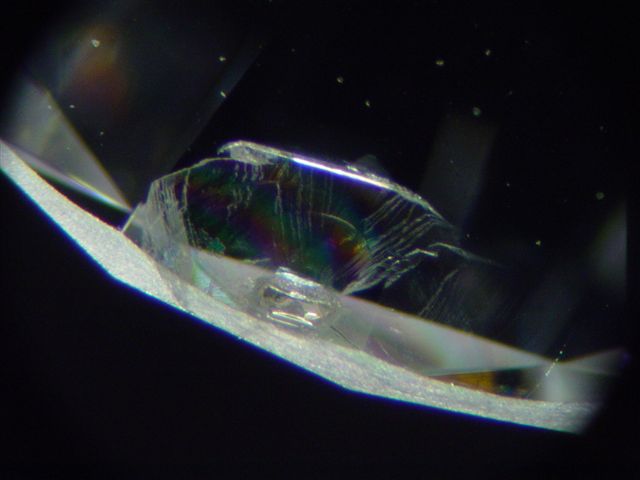
Cleavage in a diamond refers to the ability of a diamond to split or fracture along specific[…]
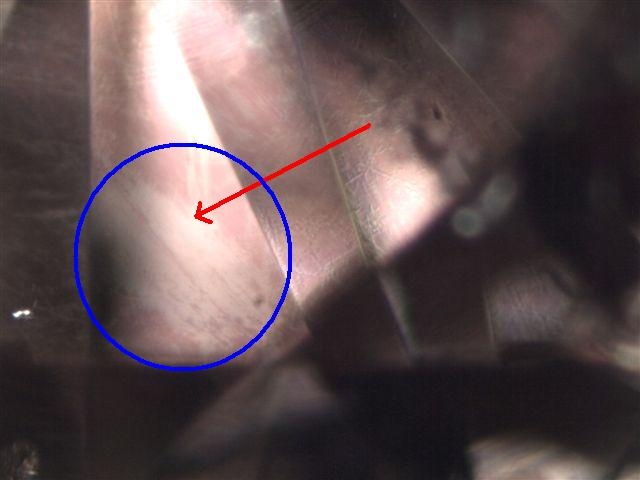
Coated Diamond or Coating
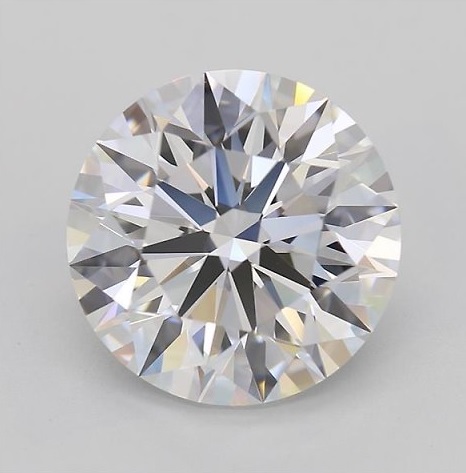
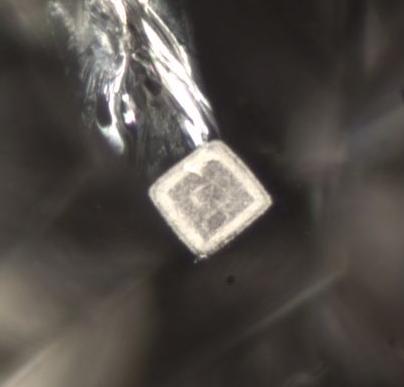
A coated diamond refers to a diamond that has undergone a treatment where a thin layer of[…]
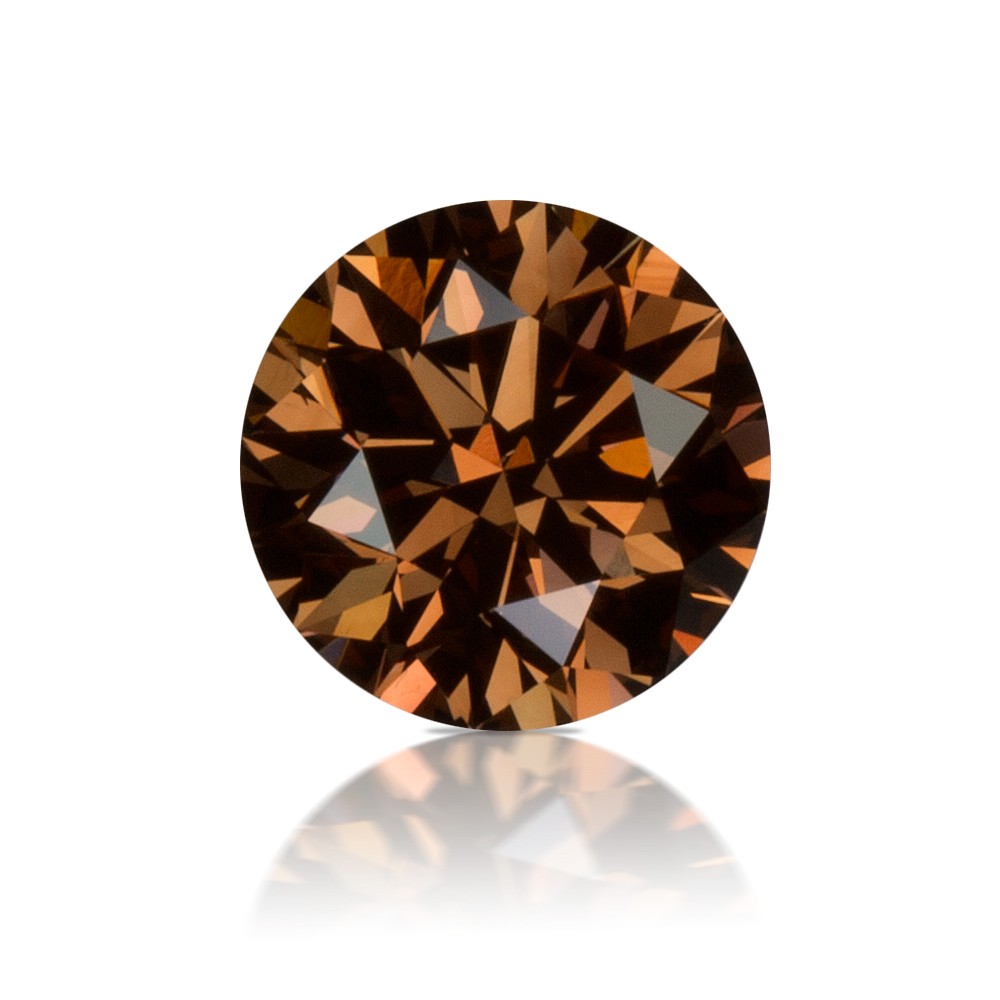
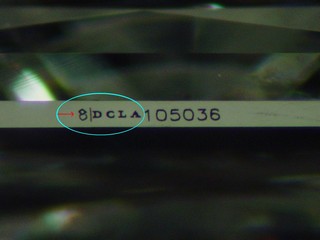
Cold Laser Inscription
A diamond cold laser inscription is a process where a laser is used to etch a unique[…]
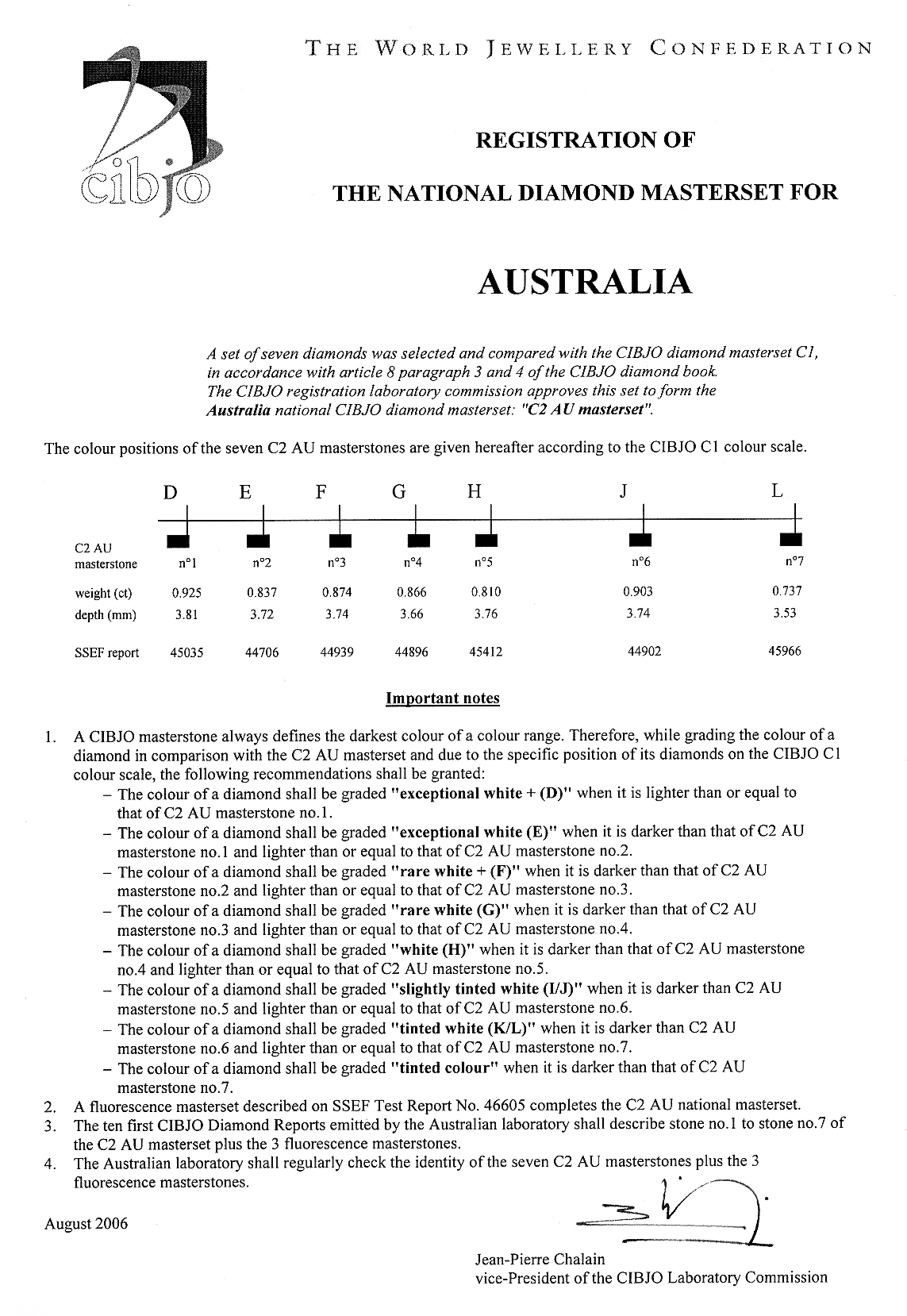
Colour
Diamond Colour is one of the most important factors in determining a diamond’s quality and value. DCLA[…]
Coloured Diamond
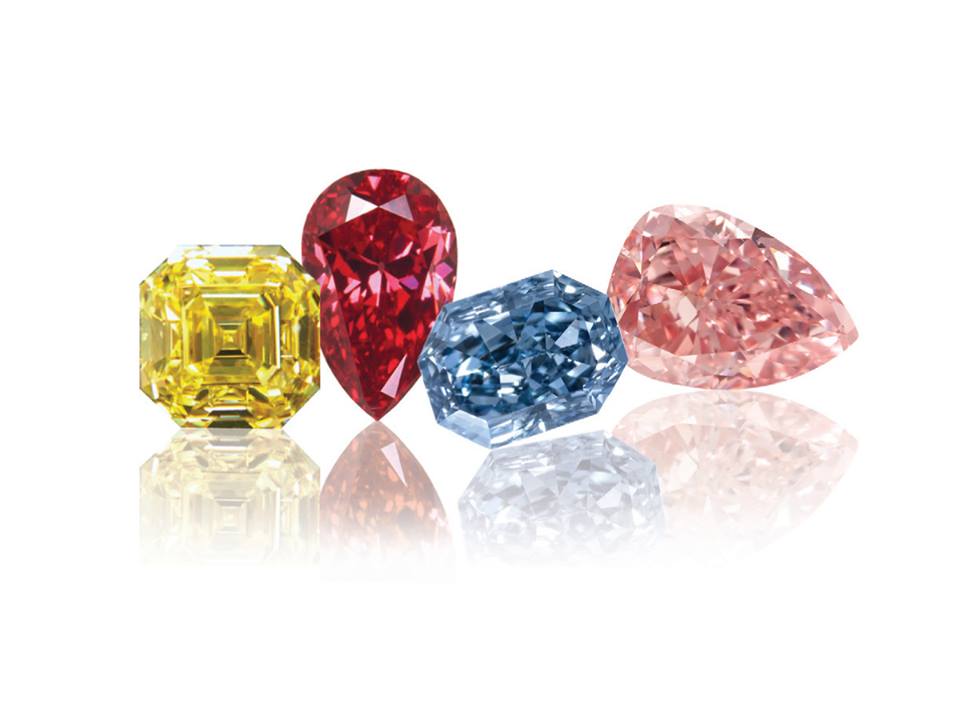
A coloured diamond is a diamond that exhibits a hue other than the traditional colourless range.
Conflict Diamonds
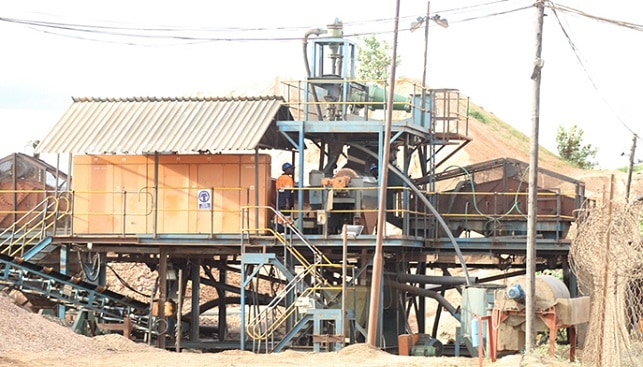
Conflict diamonds, also known as blood diamonds, are diamonds that are mined in war zones or regions[…]
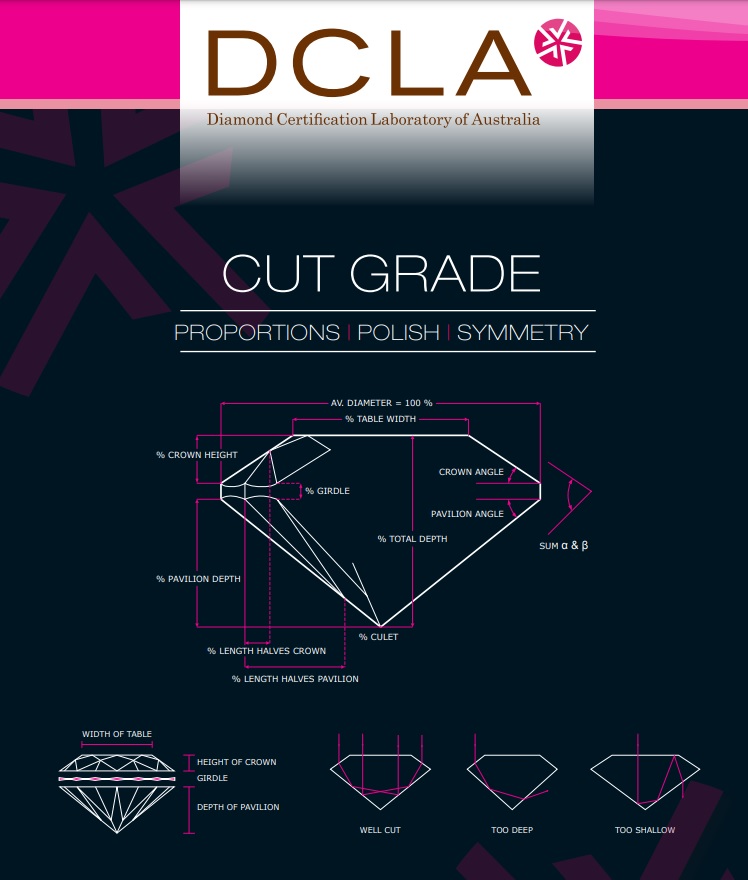
Crown Angle
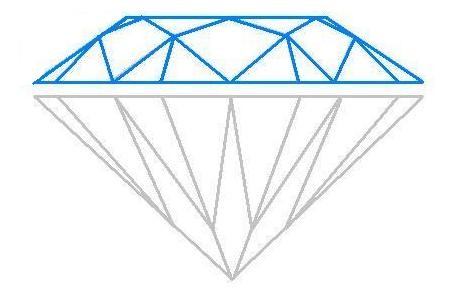
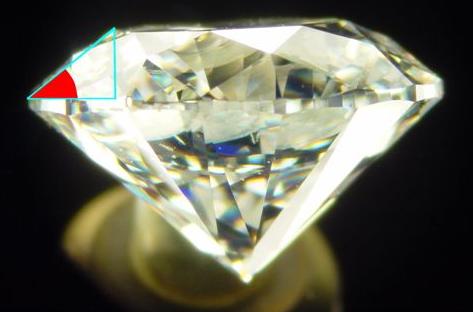
The term “diamond crown angle” typically refers to the angle at which the crown of a diamond[…]
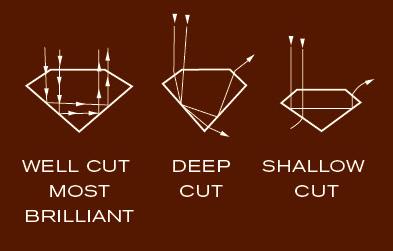
Crown Height
The crown height of a diamond refers to the vertical measurement of the crown portion of the[…]
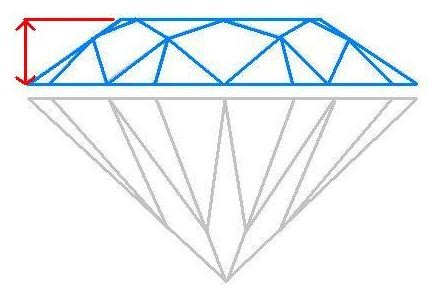
Crown Height Percentage
The diamond crown height percentage refers to the ratio of the height of the crown (the top[…]
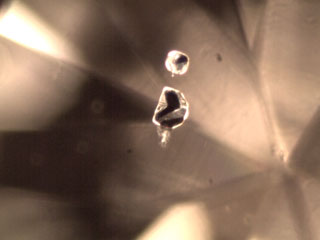
Crystal
An internal crystal in a diamond refers to a type of inclusion (a naturally occurring characteristic inside[…]
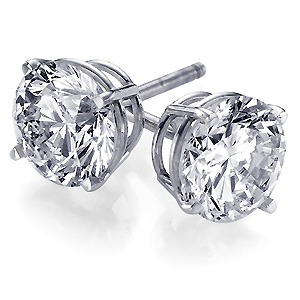
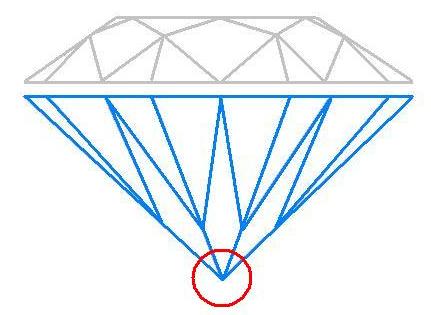
Culet
The diamond culet is the flat surface at the very bottom of the diamond, specifically at the[…]
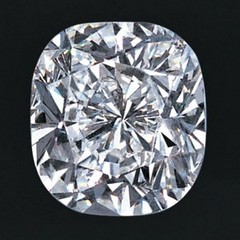
Cushion Cut
The cushion cut diamond is a popular diamond shape known for its rounded edges and square or[…]
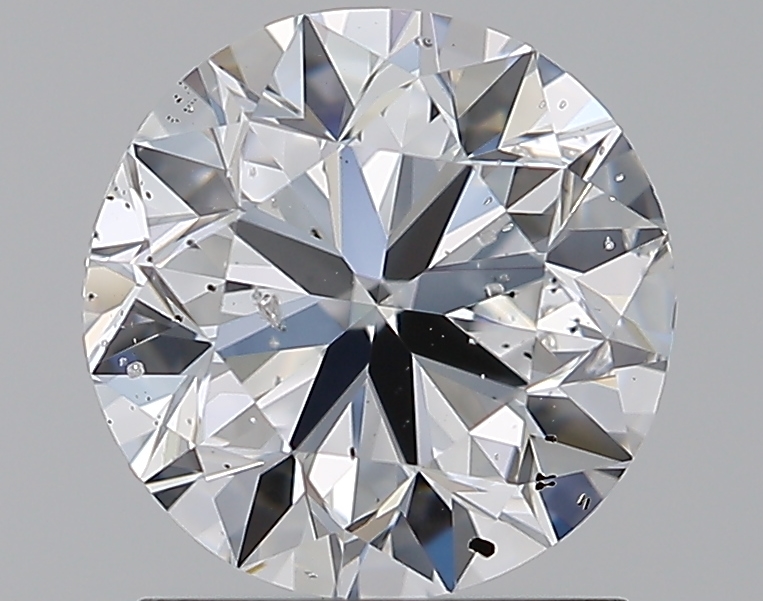
Cut
Diamond Cut or Proportion refers to the quality of a diamond’s shape and symmetry, which directly influences[…]
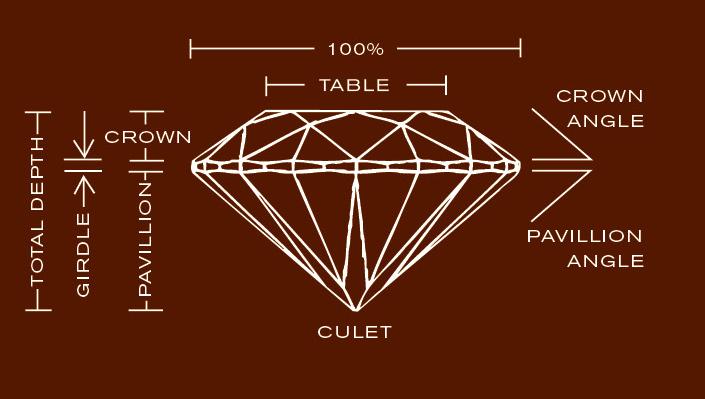
Cut-for-Weight
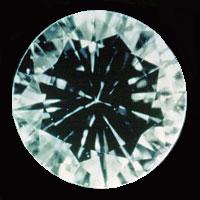
Diamond Cut for Weight refers to the practice of adjusting a diamond’s proportions to maximise its weight,[…]
Depth
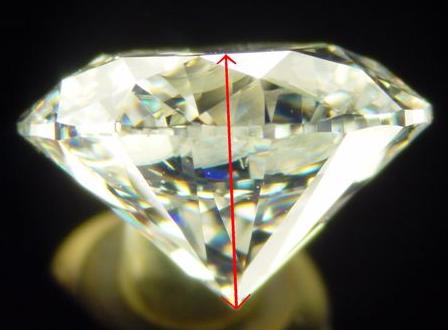
Diamond depth refers to the measurement of a diamond’s height, from the culet (bottom tip) to the[…]
Depth Percentage
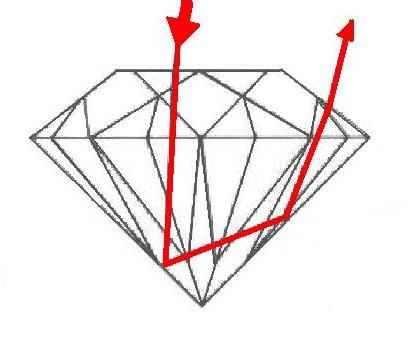
The diamond depth percentage is a key measurement used to evaluate the proportions of a diamond.
Diamond
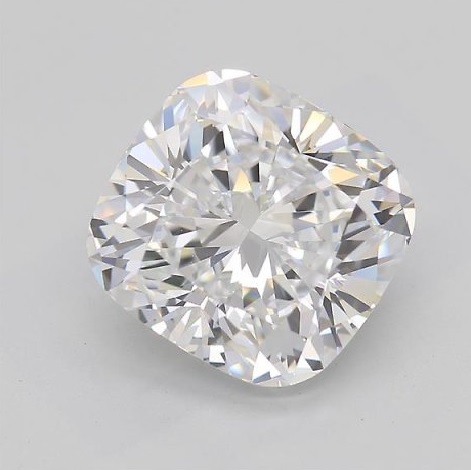
A diamond is a precious gemstone composed of carbon atoms arranged in a crystal lattice structure, which[…]

Diamond Bourse
A Diamond Bourse (also known as a Diamond Exchange) is a marketplace where diamonds are traded, bought,[…]
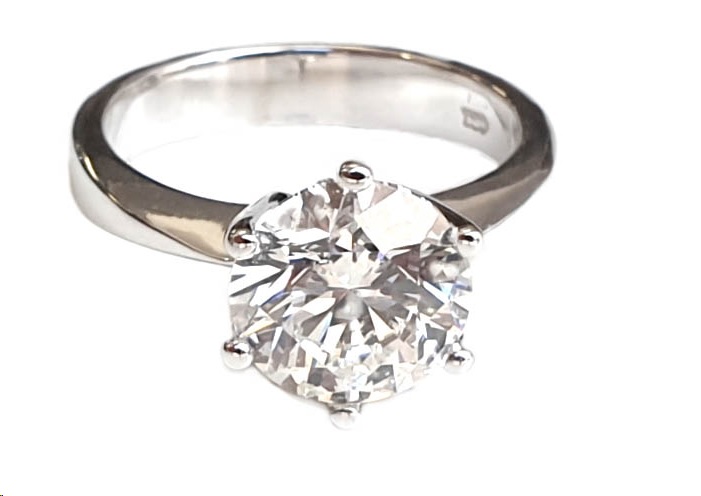
Diamond cleaning
Because your diamond when worn naturally attracts grease or oil, they will need periodic cleaning.

Diamond Dealers Club of South Africa
The Diamond Dealers Club of South Africa (DDC South Africa) is a prominent organization for diamond professionals[…]
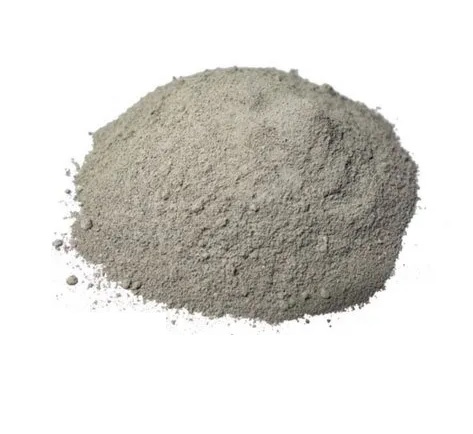
Diamond Dust
Diamond powder is a finely ground form of diamond that is used in a variety of industrial,[…]
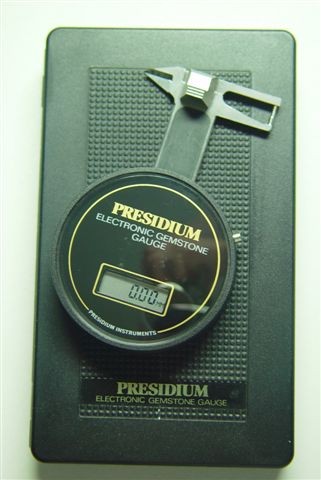
Diamond Gauge
A diamond gauge is a precise measuring instrument used to assess the dimensions and other critical features[…]
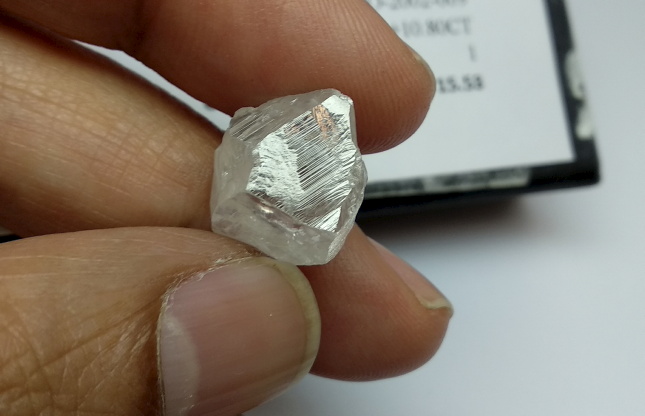
Directional Hardness
Diamond directional hardness refers to the varying hardness levels that diamonds exhibit along different crystallographic directions.
Dispersion
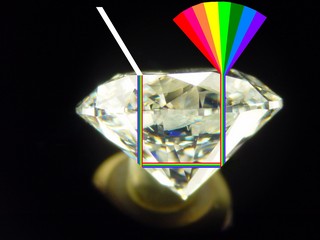
Diamond color dispersion refers to the way light is split into its component colors (a phenomenon called[…]
Do you keep a record of my diamond grading certificate?
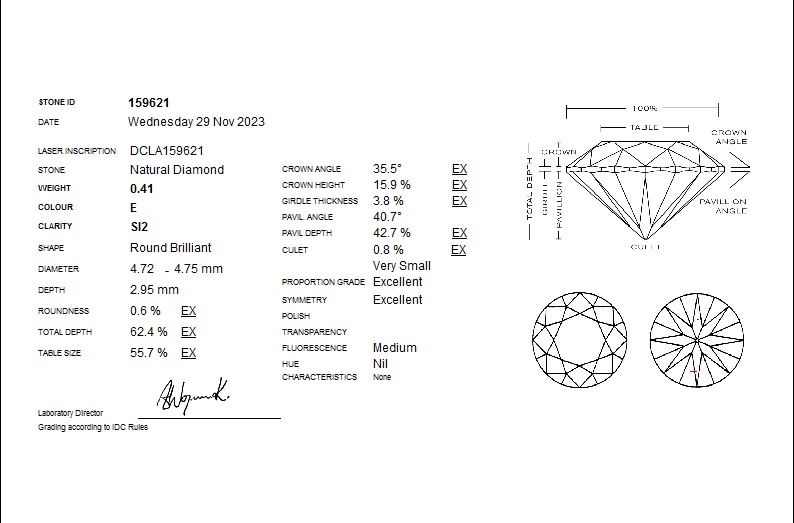
Do you keep a record of my diamond grading certificate
Durability
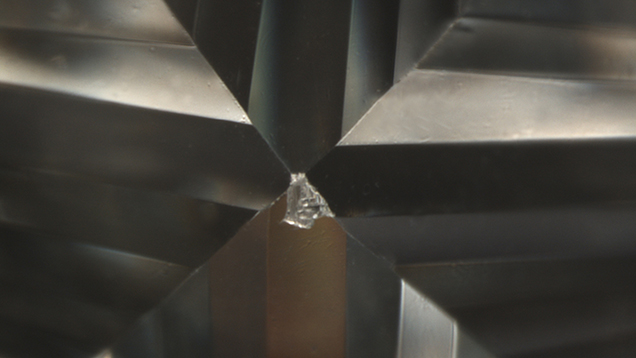
Diamond durability refers to a diamond’s ability to withstand wear, scratching, chipping, and breaking over time.
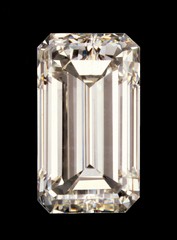
Emerald Cut
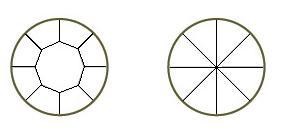
The Emerald Cut Diamond is a step-cut diamond known for its elegant, elongated shape and hall-of-mirrors effect.
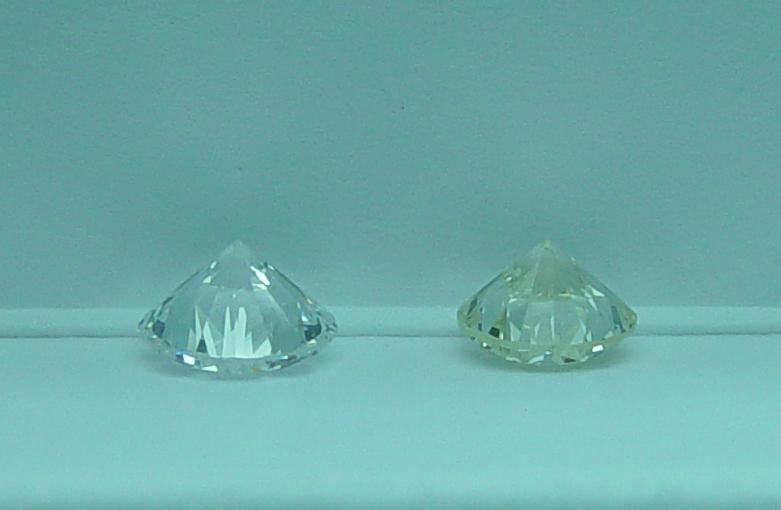
Equivalent Colour Grade (ECG)
The Diamond Equivalent Colour Grade (ECG) is a system used to compare the colour grades of diamonds[…]
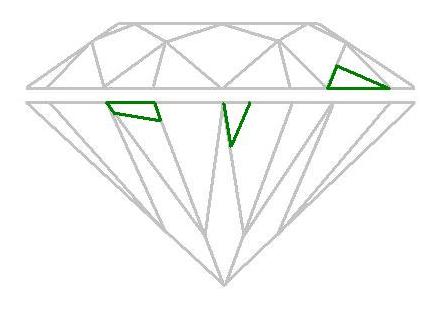
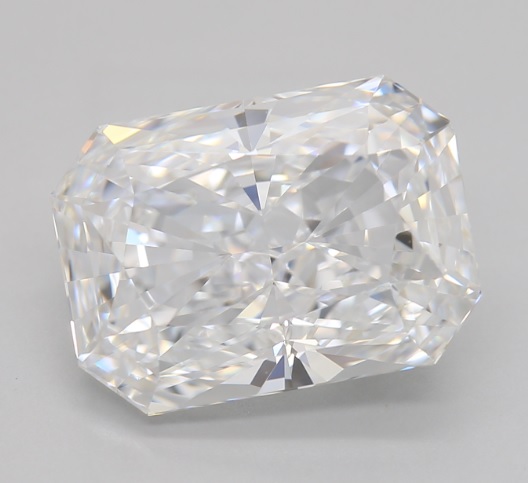
Eye-Clean
An eye-clean diamond refers to a diamond that has no visible inclusions or blemishes when viewed with[…]
Eye-Visible
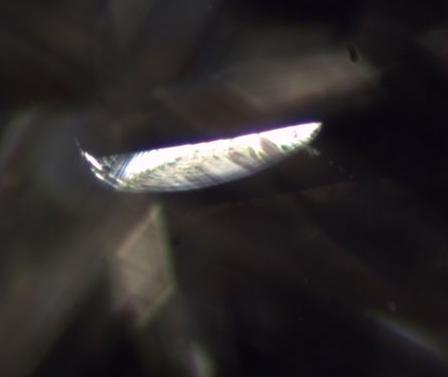
An eye-visible inclusion in a diamond refers to an internal flaw or imperfection that can be seen[…]
Faceted Girdle
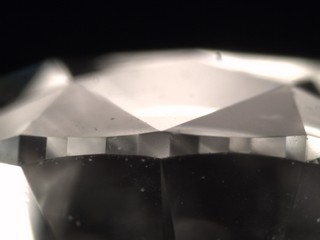
A faceted girdle in a diamond refers to a girdle that has been polished and cut into[…]
Facets
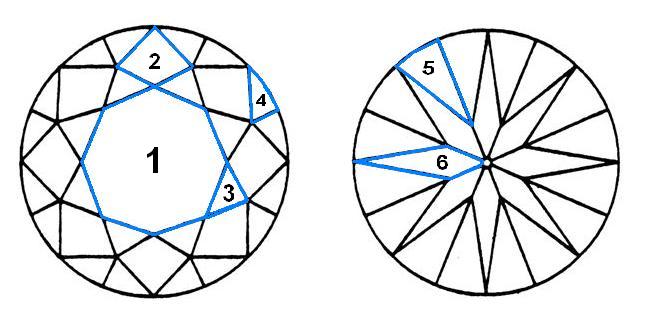
A facet is a flat, polished surface on a diamond that interacts with light to create brilliance,[…]
Fancy Colour
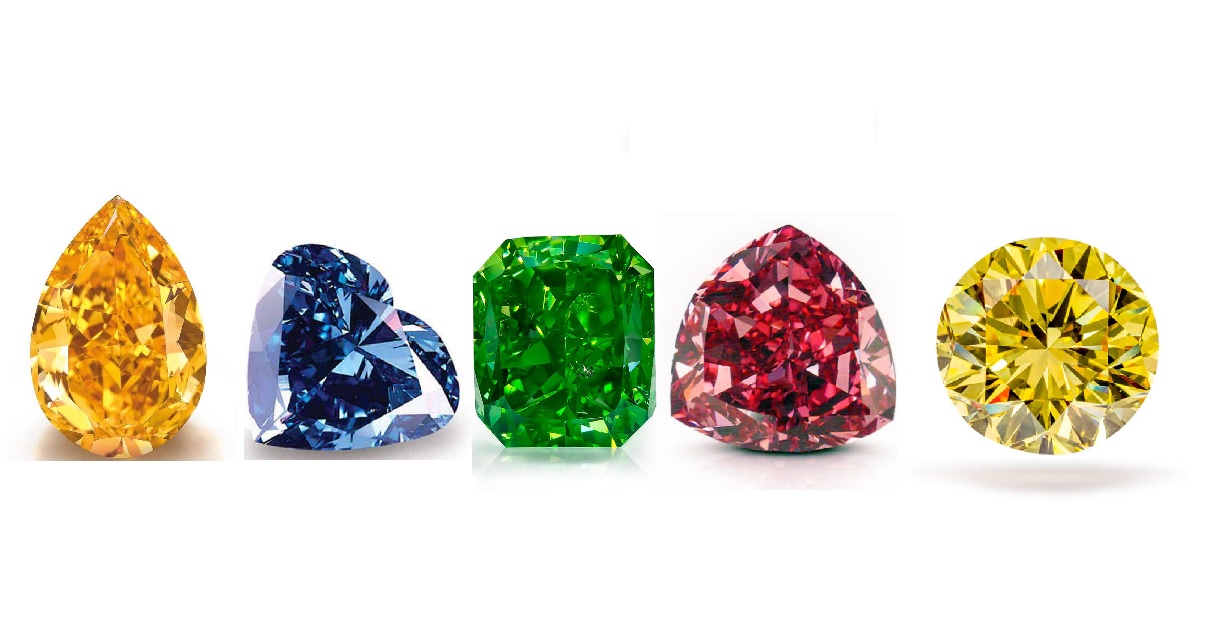
Fancy coloured diamonds are natural diamonds that exhibit intense colours beyond the typical white or colourless range.
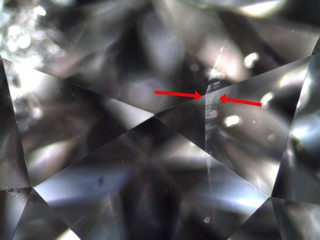
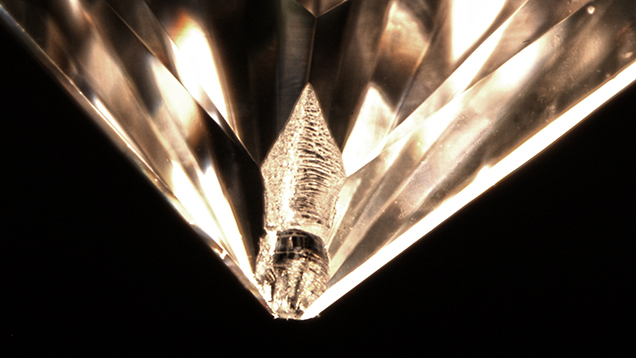
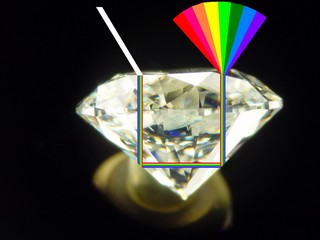
Fire
Fire refers to the dispersion of light into the various colors of the rainbow when light passes[…]
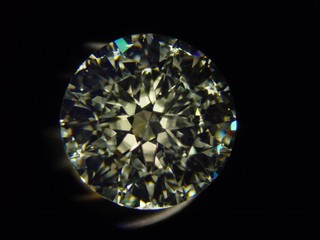
Fish Eye
A fish eye is a type of optical flaw that can occur in diamonds, affecting their appearance[…]
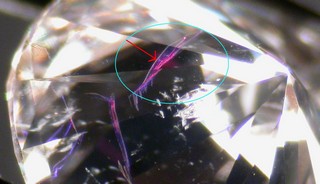
Flash Effect
The flash effect in a fracture-filled diamond refers to the dispersion of light and the sparkle that[…]
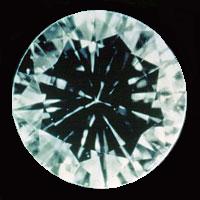
Flat Diamond
A flat cut diamond refers to a diamond that has a shallower cut, where the crown (the[…]
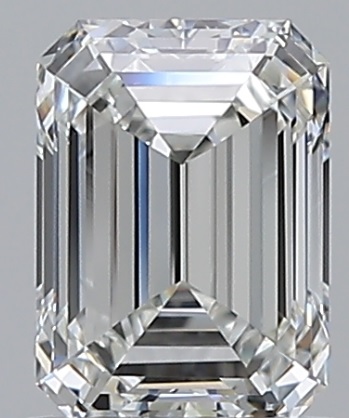
Flawless
Flawless is a clarity grade used to describe diamonds that have no visible inclusions (internal flaws) or[…]
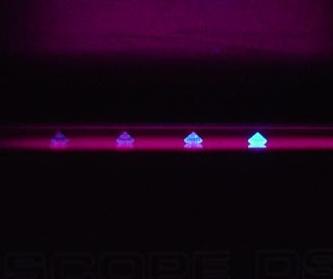
Fluorescence
Fluorescence in diamonds refers to the glow that a diamond emits when exposed to ultraviolet (UV) light.
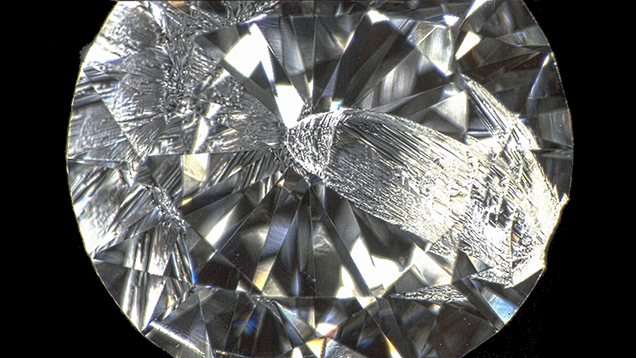
Fracture
A fractured diamond refers to a diamond that has an internal fracture, often called a fracture or
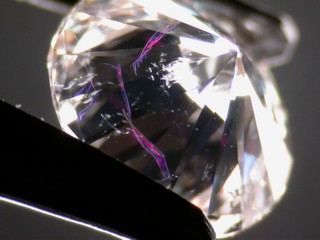
Fracture Filling
Fracture filling is a treatment used to improve the clarity and appearance of diamonds that have visible[…]
Gem Quality
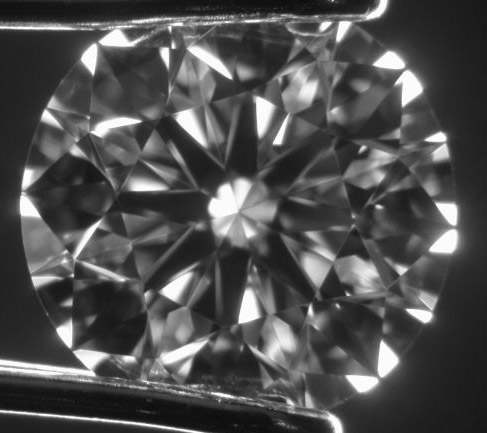
Only about 20% of mined diamonds are of gem quality, meaning they meet the necessary standards for[…]
Gemmology
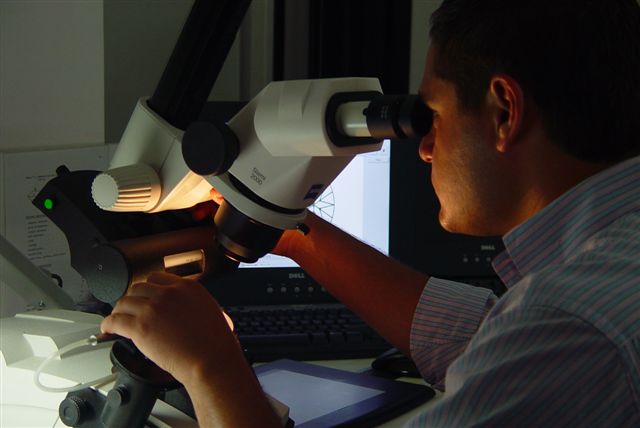
Gemmology is the scientific study of gemstones, encompassing their identification, evaluation, grading, and authentication.
Girdle
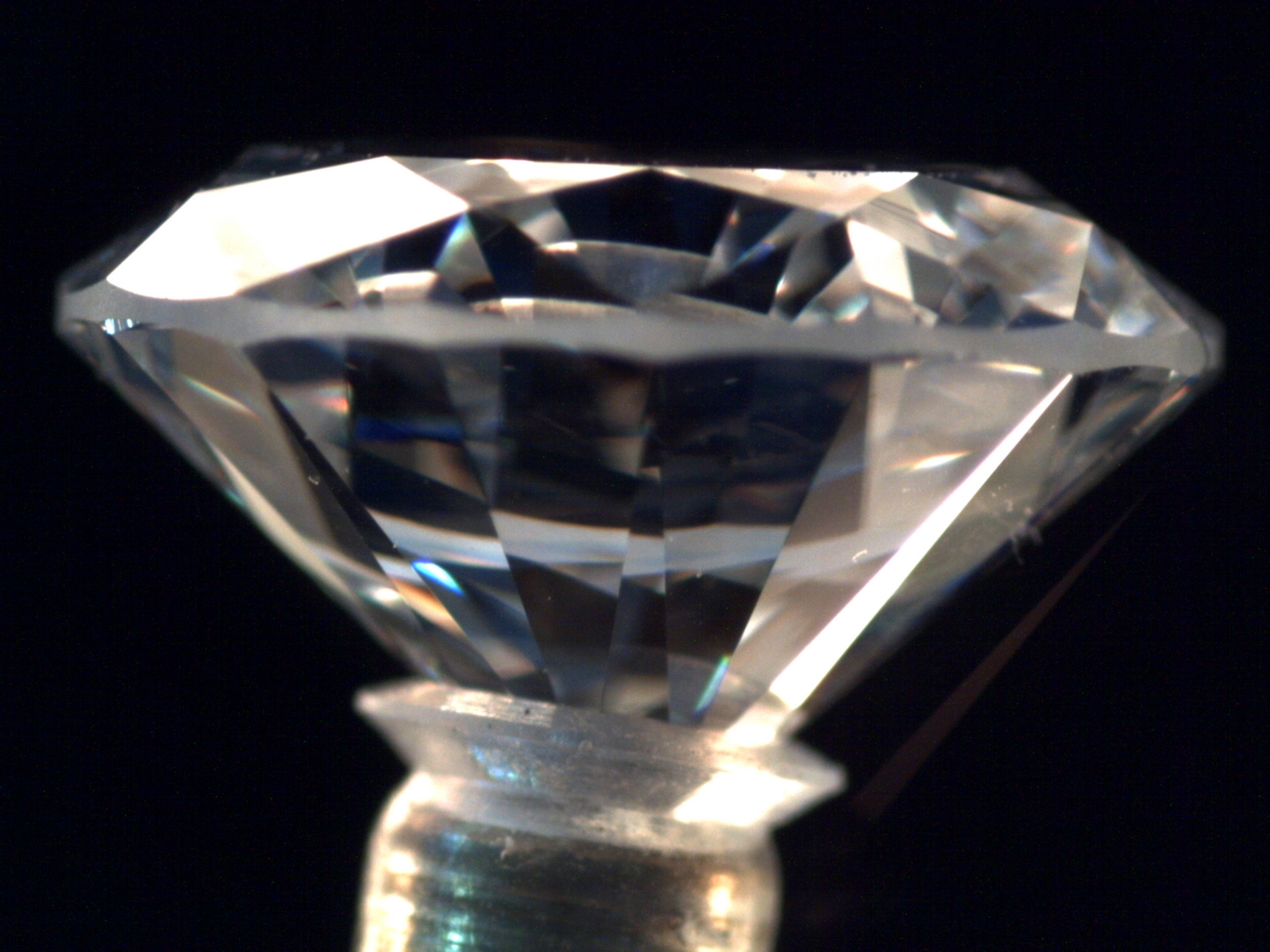
The girdle helps protect the diamond from chipping and damage, particularly along its edges. A properly proportioned girdle[…]
Girdle Thickness
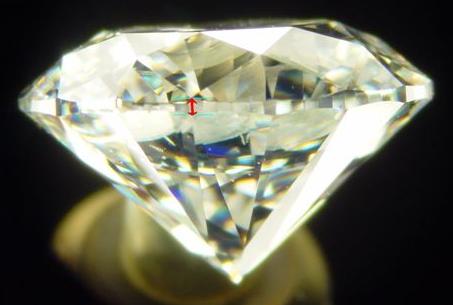
Girdle thickness refers to the width of the diamond’s girdle, which is the outer edge separating the[…]
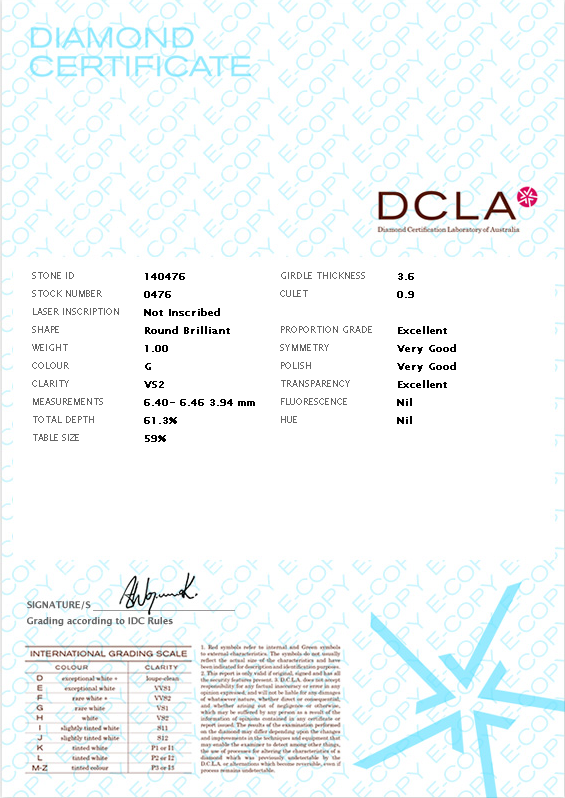
Grading Report
A grading report, also known as a diamond certificate, is an official document issued by a recognised[…]
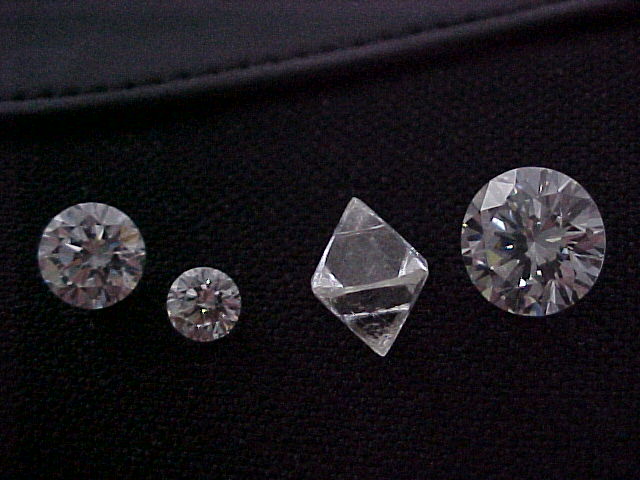
Grainer
The term “grainer” is used in the diamond industry to describe a diamond’s weight in quarter-carat (0.25[…]
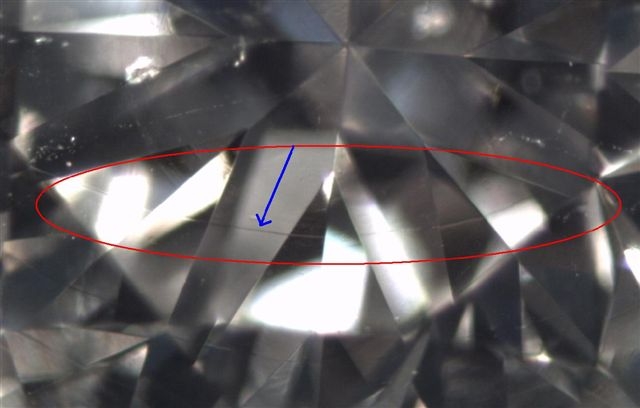
Graining
Graining refers to faint wavy, hazy, oily, or shadow-like lines that can appear inside a diamond or[…]
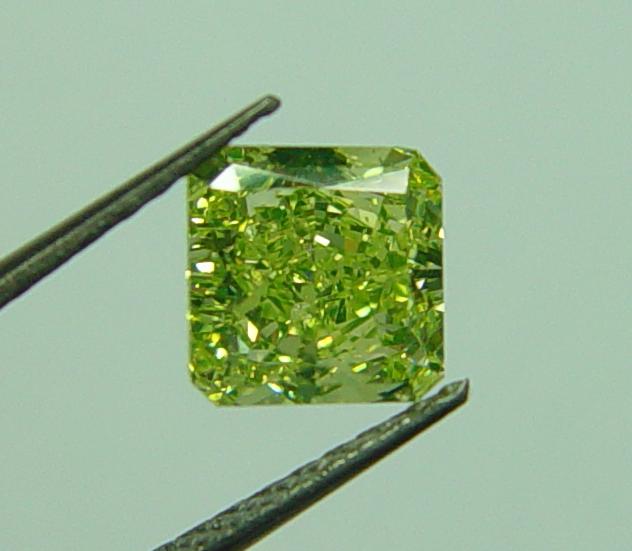
Green Diamond
A green diamond is a diamond that exhibits a natural green body colour, making it one of[…]
Hardness
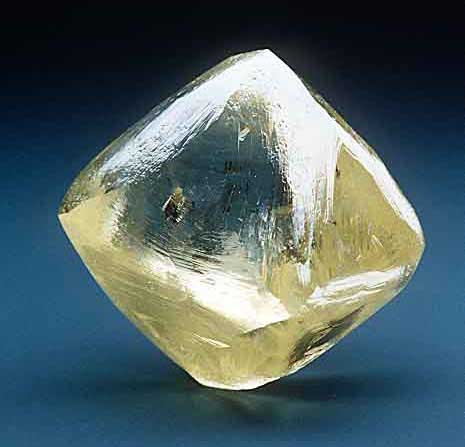
Hardness refers to a material’s resistance to scratching or abrasion. When it comes to diamonds, this property[…]
Heart Cut
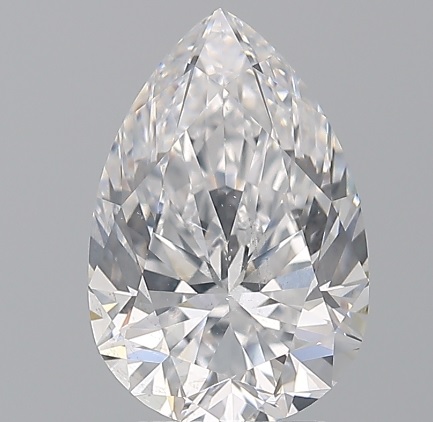
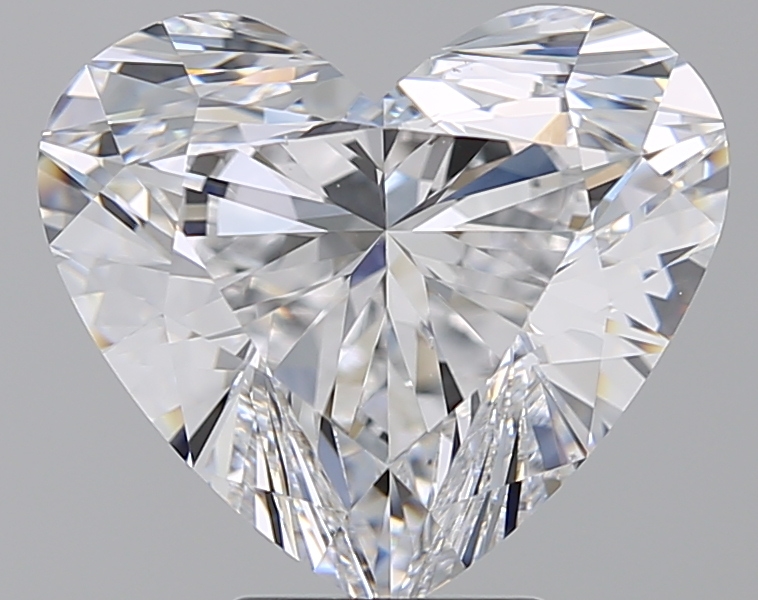
The heart cut is one of the most romantic and symbolic diamond shapes, often chosen for engagement[…]
Hearts & Arrows
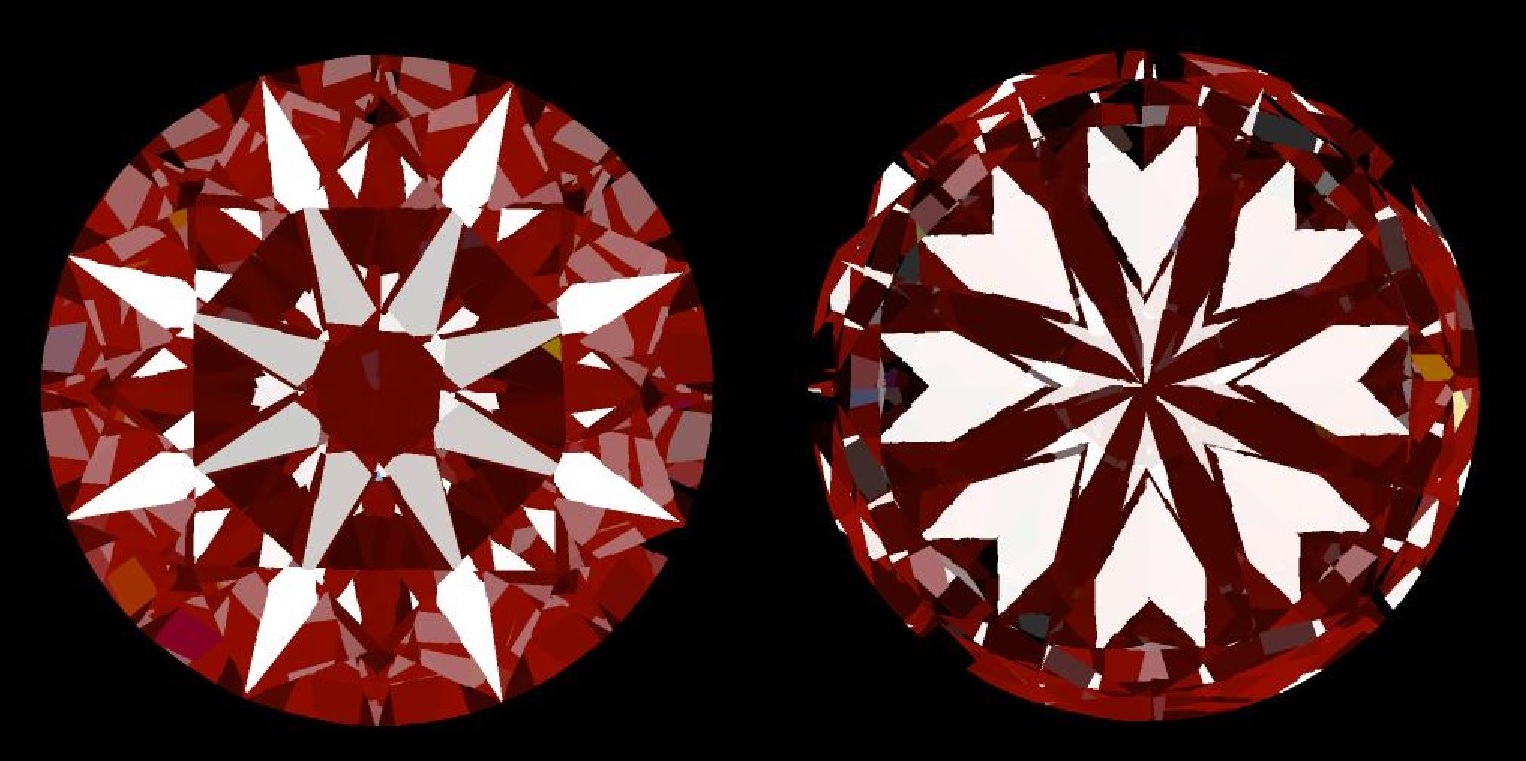
The term Hearts & Arrows refers to a distinct and beautiful pattern that appears in some high-quality[…]
Hot Laser Inscription
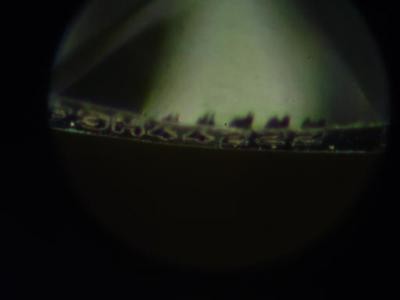
Hot laser inscription refers to the process of using a high-powered laser beam to inscribe a number,[…]

How do I know that my diamond certificate or diamond grading report is from an independent laboratory ?
How do I know that my diamond certificate
How do slight differences in the 4C’s affect a diamond’s value?
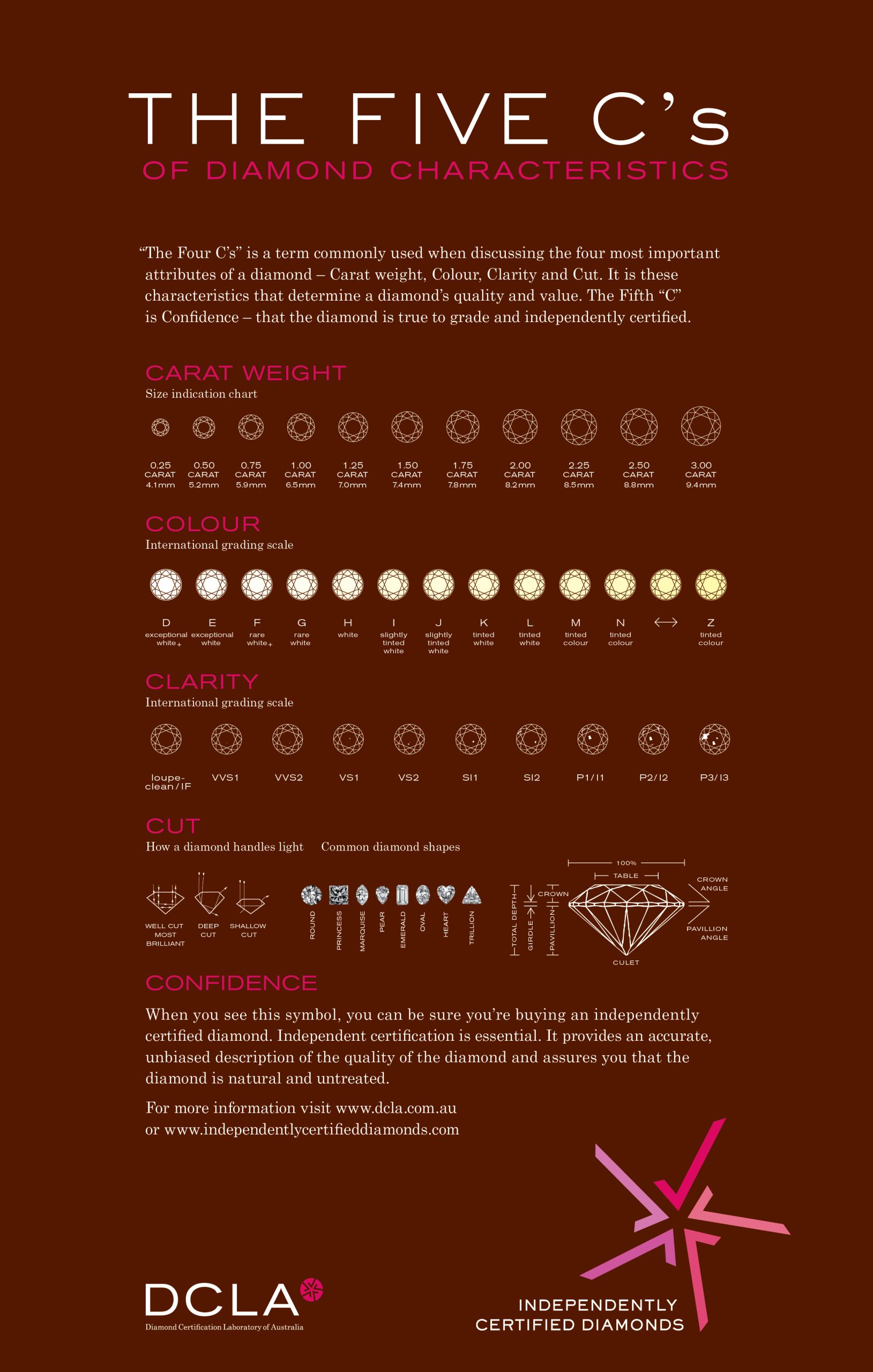
How do slight differences in the 4C’s affect a diamond’s value?
HPHT (High Pressure High Temperature) Treatment
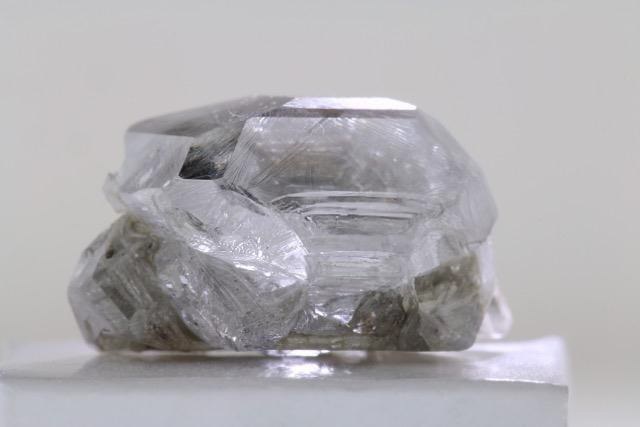
HPHT treatment refers to a method used to alter or enhance the colour of diamonds through the[…]
Hue
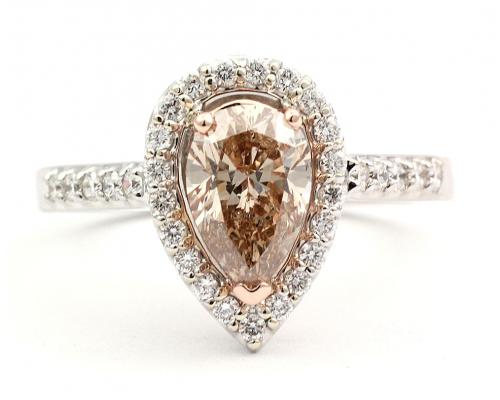
In the diamond grading system, hue refers to the specific colour or shade that a diamond displays,[…]
I have a diamond “valuation,” is this not the same as a diamond certificate?
I have a diamond “valuation,” is this not the same as a diamond certificate?
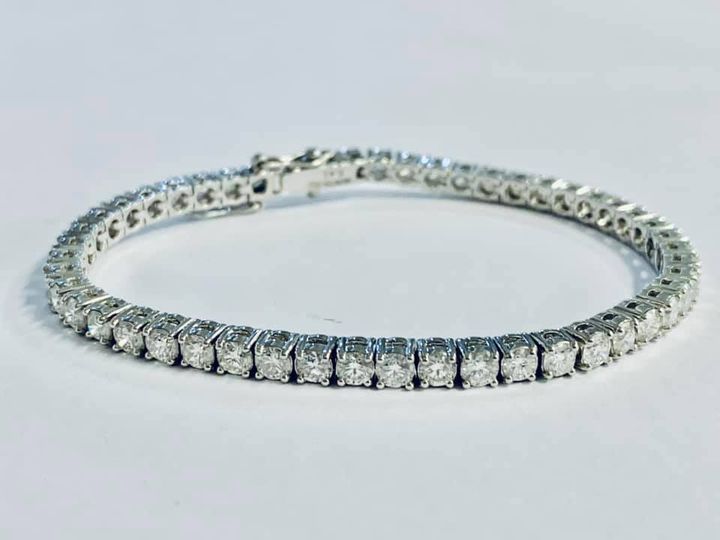
I have a diamond ring with a total diamond carat weight of 1.5 carats in small diamonds. Are they worth the same as a single 1.5 carat diamond ?
I have a diamond ring with a total diamond carat weight of 1.5 carats in small diamonds.
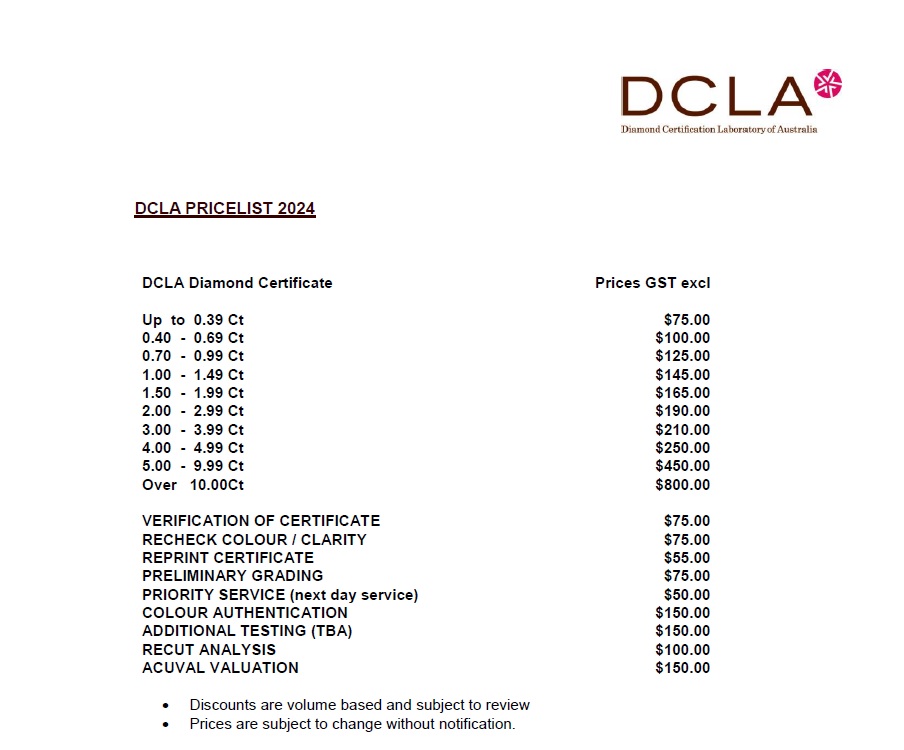
I want to get a diamond certified before I buy it, what should I do ?
I want to get a diamond certified before I buy it, what should I do ?
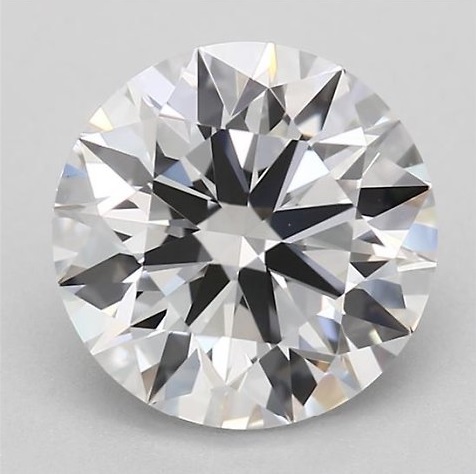
Ideal Cut
The term Ideal Cut refers to a diamond that is cut with proportions and angles that maximise[…]

If I buy a certified diamond, how do I know that the diamond in my ring is the one described on the diamond certificate or diamond grading report?
how do I know that the diamond in my ring is the one described on the diamond certificate
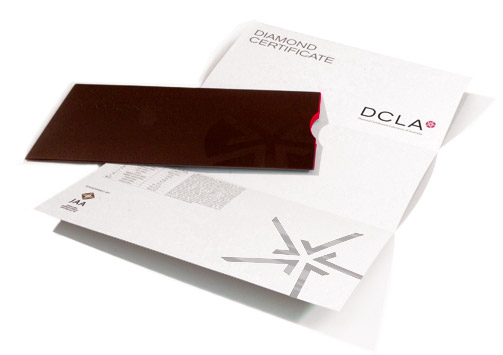
If the diamond has been certified is it important that I receive the original diamond certificate or diamond grading report?
diamond certificate or diamond grading report
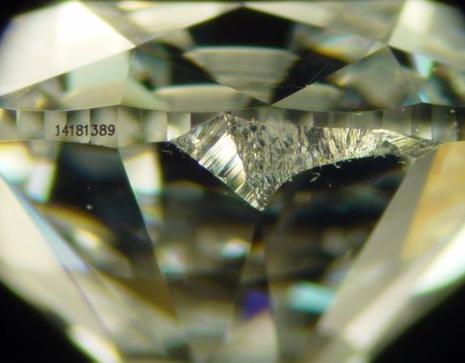
Indented Natural
An Indented Natural refers to a specific type of natural feature found in diamonds. It is a[…]

Independent Laboratory
An Independent Laboratory refers to a diamond grading or certification laboratory that operates autonomously.
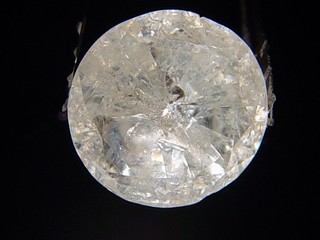
Industrial Grade Diamond
An Industrial Grade Diamond refers to a diamond that does not meet the standards required for use[…]

International Diamond Council
The International Diamond Council (IDC) is a global organisation that was established to create and maintain standardised[…]
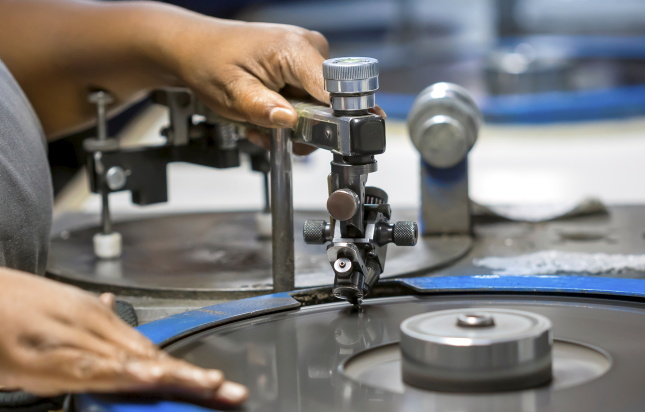
International Diamond Manufacturers Association
The International Diamond Manufacturers Association (IDMA) is a global trade organisation that represents the interests of diamond[…]
Internationally Recognised Standards
Internationally recognised standards in diamond grading refer to a set of rules, guidelines, and processes that are[…]
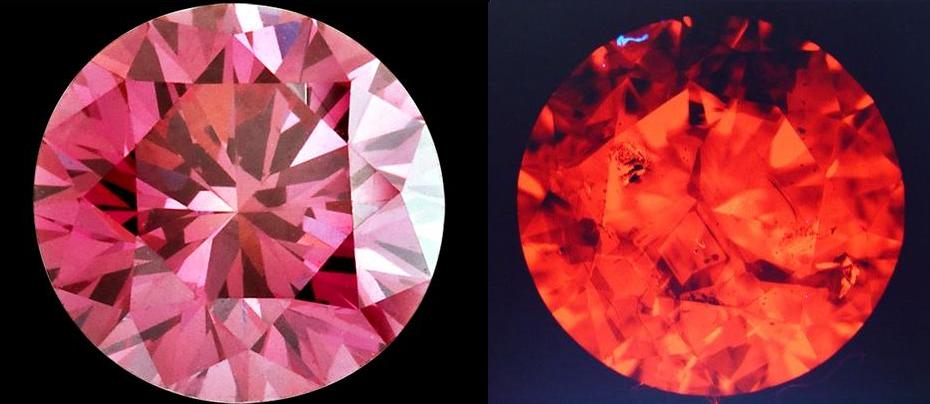
Irradiated Diamonds
Irradiated diamonds refer to diamonds that have undergone a treatment process designed to change or enhance their[…]
Is it easy to read colour, clarity, carat weight and shape on a diamond grading report?
Is it easy to read colour, clarity, carat weight and shape on a diamond grading report?

Jewellers Association of Australia
The Jewellers Association of Australia (JAA) is the leading trade association for professionals and businesses in the[…]

Kimberley Process
The Kimberley Process (KP) is an international certification scheme established to prevent the trade in “blood diamonds,”[…]

Kimberlite
Kimberlite is an igneous rock, typically blue or green in colour, from which most diamonds are mined.[…]
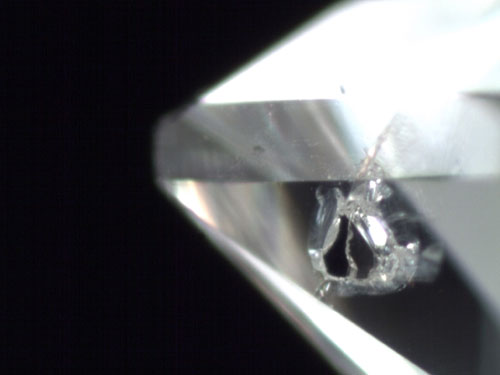
Knot
A knot is a specific type of inclusion found within diamonds. It refers to an included crystal[…]
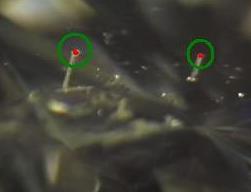
Laser Drilling
Laser drilling is a treatment used to enhance the apparent clarity of a diamond by reducing the[…]
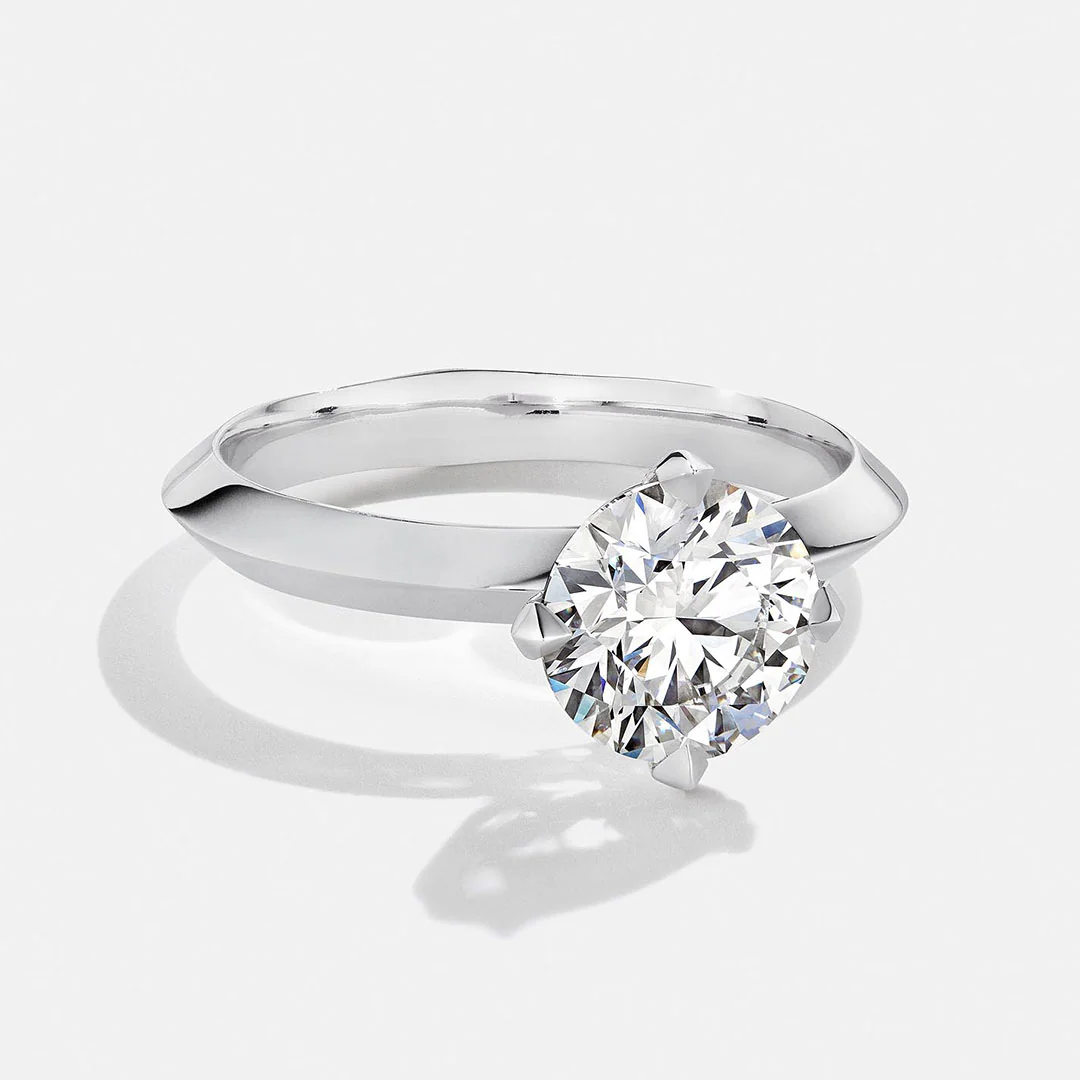
Life
Life in a diamond refers to the vivid, dynamic quality that gives the diamond its captivating brilliance,[…]
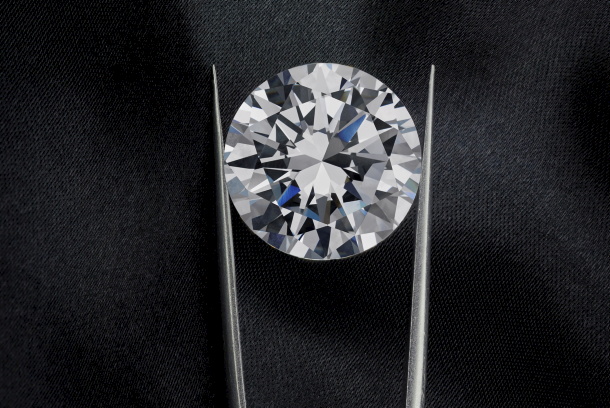
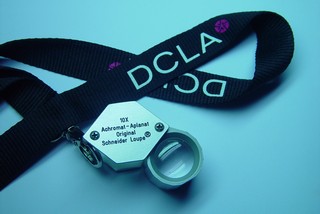
Loupe
A diamond loupe is a small, handheld magnifying lens that is an essential tool for examining diamonds,[…]
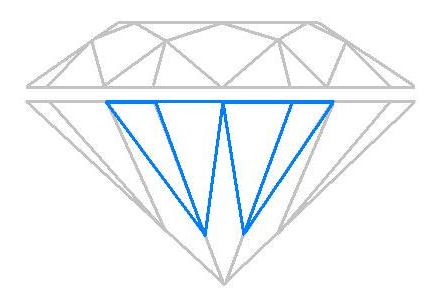
Lower-Girdle Facets
The lower-girdle facets are crucial elements in the overall symmetry and brilliance of a diamond.
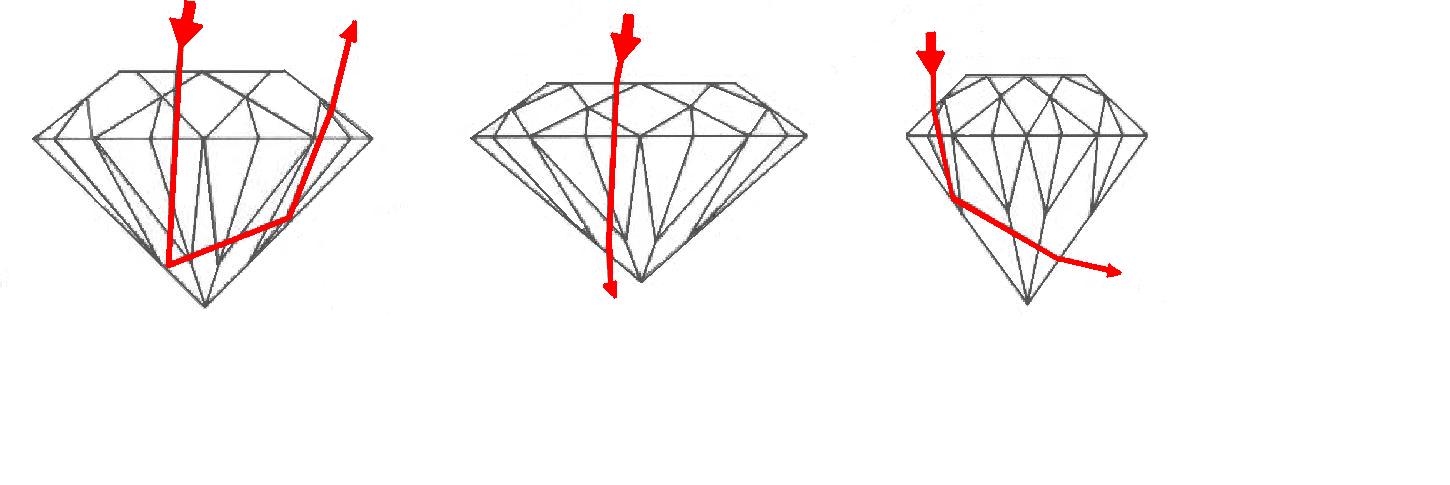
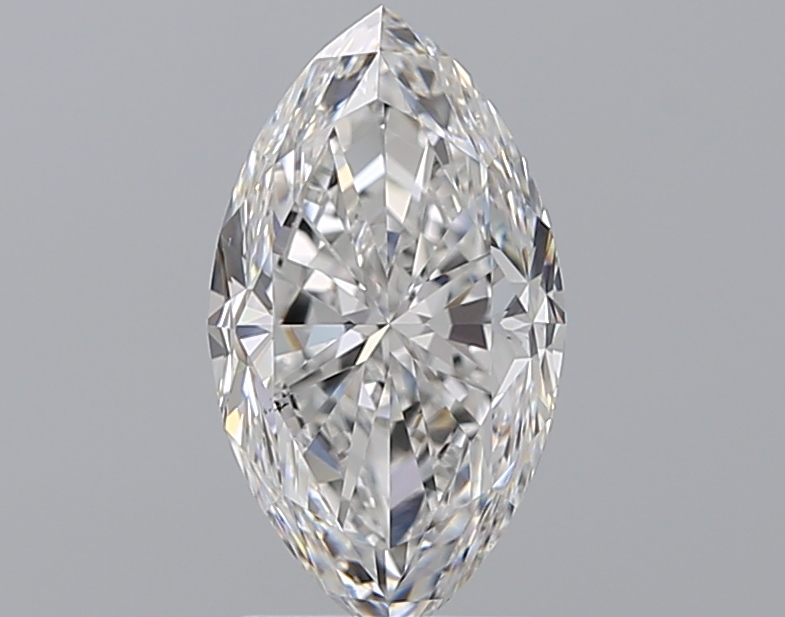
Marquise Cut
The marquise cut is a diamond shape that is elongated and features two pointed ends, creating an[…]
Master Set
A Master Set is a collection of certified and registered diamonds that serve as a reference point[…]
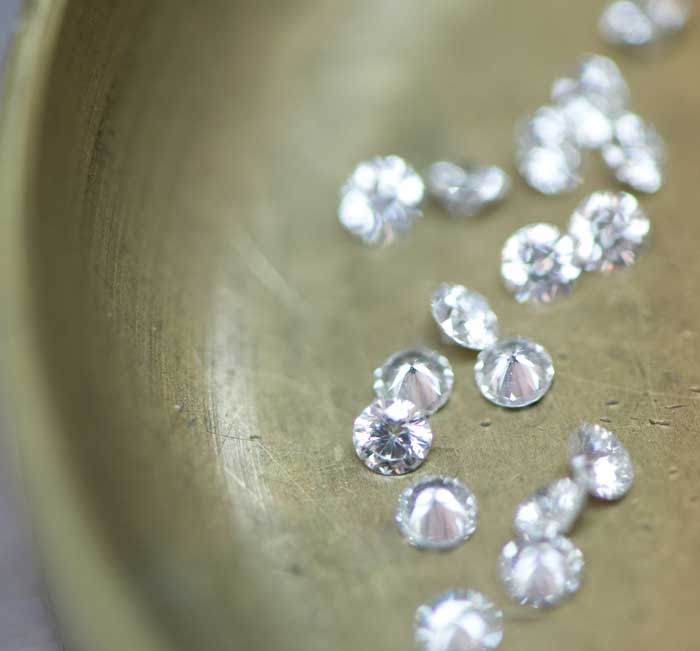
Melee
Melee diamonds are small, polished diamonds that typically weigh less than 15 points (0.15 carats) each.
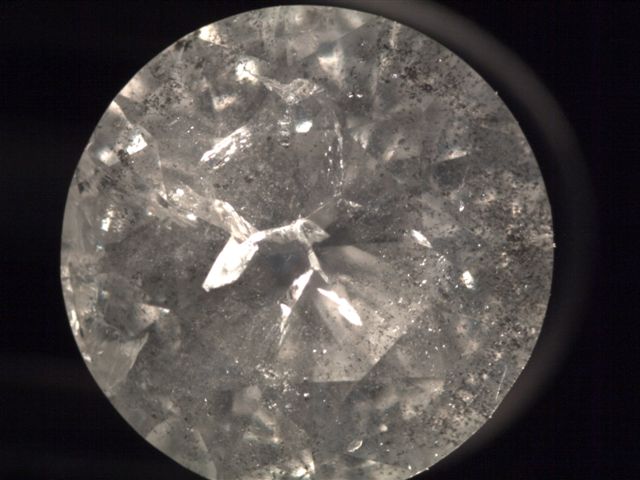
Milky Diamond
A milky diamond refers to a gemstone that exhibits a cloudy or hazy appearance, which results in[…]
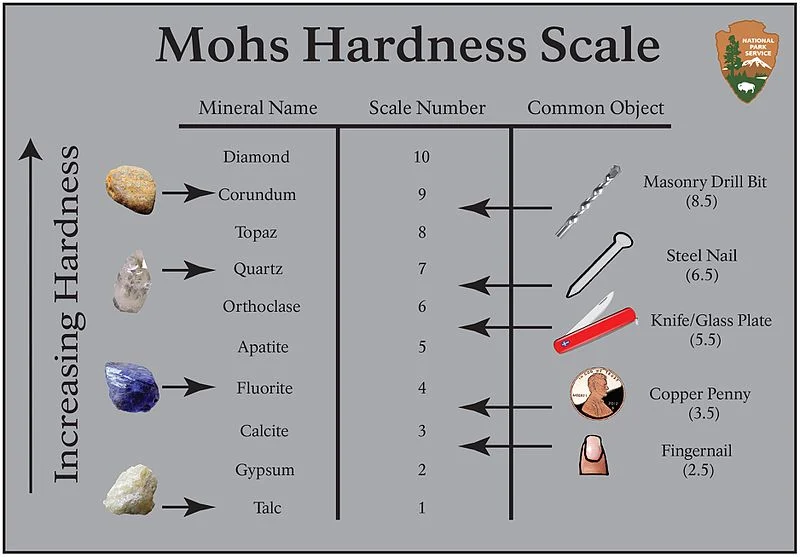
Mohs Scale
The Mohs Scale of Hardness is a qualitative scale that ranks minerals based on their ability to[…]
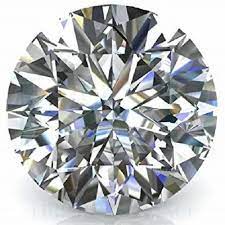
Moissanite
Moissanite is a gemstone made of silicon carbide (SiC) that closely resembles a diamond in appearance but[…]
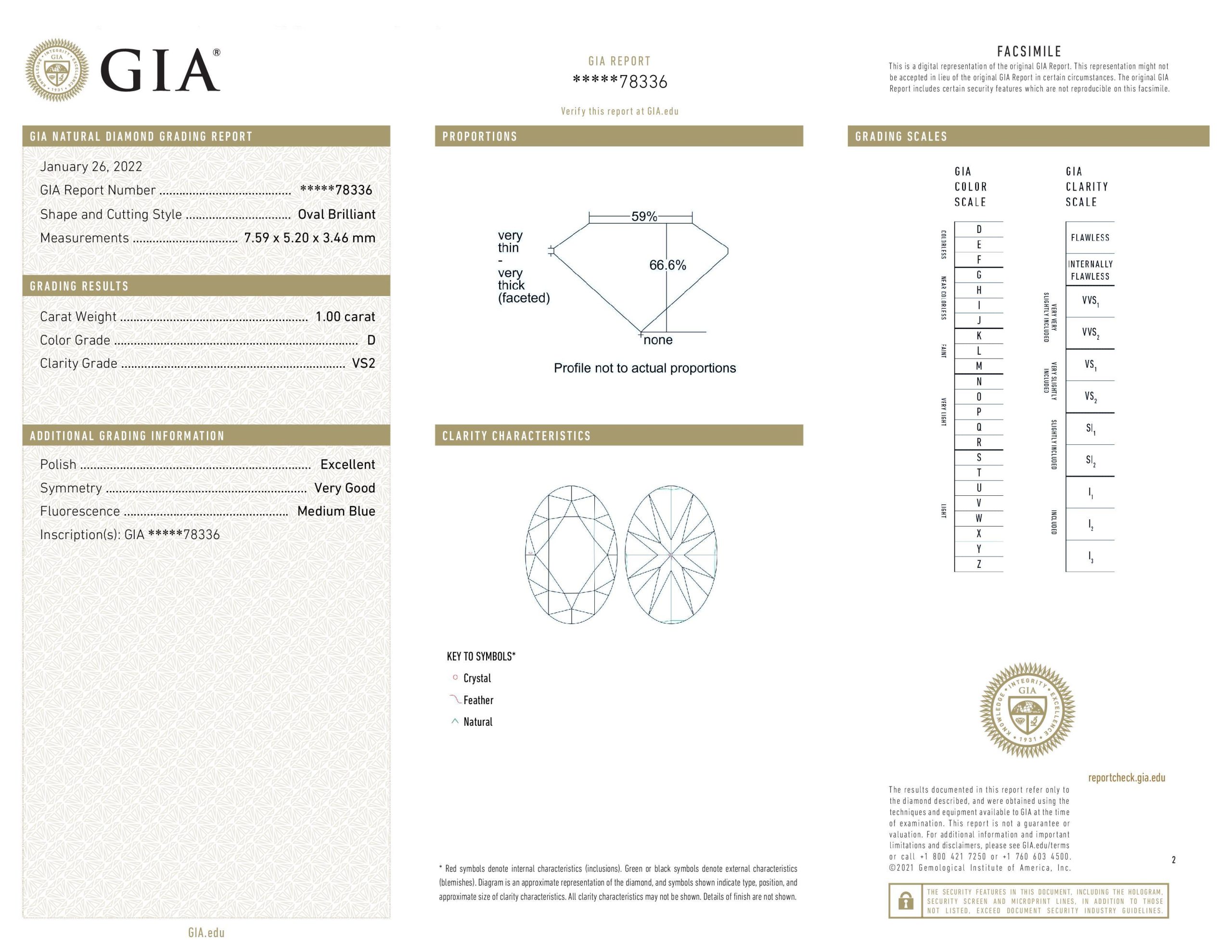
My jeweller will not supply me with a certificate from an independent diamond grading laboratory, what should I do?
My jeweller will not supply me with a certificate from an independent diamond grading laboratory

My retailer/merchant produces his own diamond report, is that sufficient?
My retailer/merchant produces his own diamond report, is that sufficient?
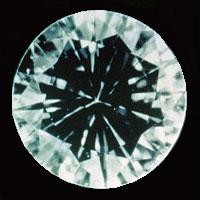
Nailhead
The nailhead effect refers to an unattractive black or dark shadow that appears under the center of[…]
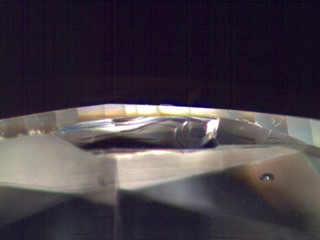
Natural
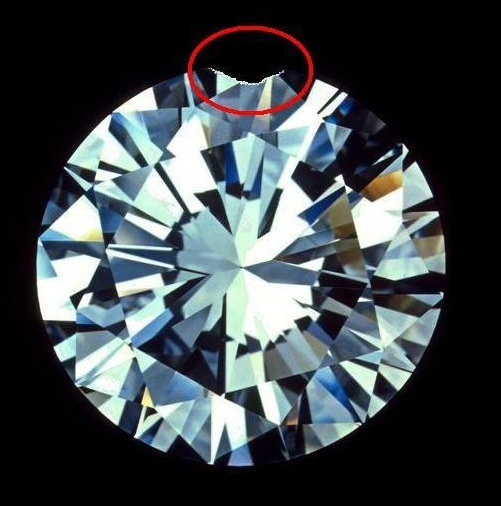
A natural refers to a portion of the original rough diamond’s outer surface that remains unpolished on[…]
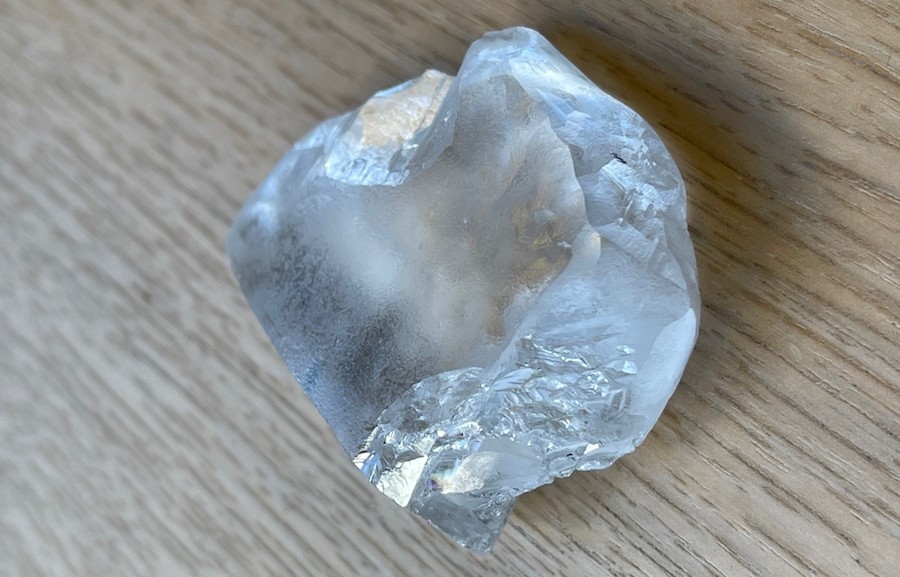
Natural Diamond
A natural diamond is a gemstone composed of crystallized carbon that was formed deep within the Earth’s[…]
Needle
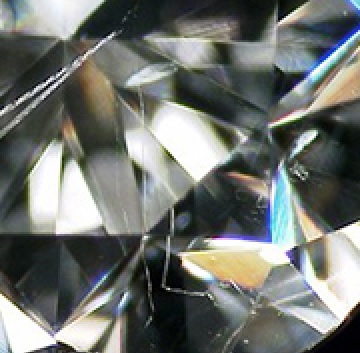
A needle inclusion is a type of internal characteristic found in natural diamonds. It appears as a[…]
Octahedron
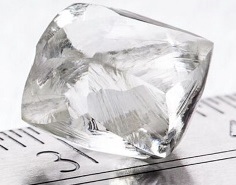
An octahedron is one of the most sought-after crystal shapes for rough diamonds, featuring eight triangular faces[…]
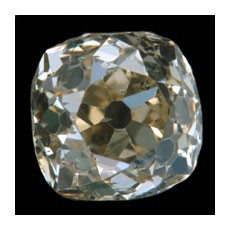
Old Mine Cut
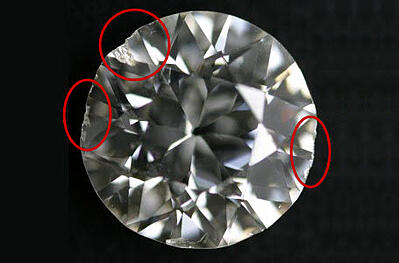
The Old Mine Cut is a historical diamond cut, first popularized in the 18th and 19th centuries.
Pavilion
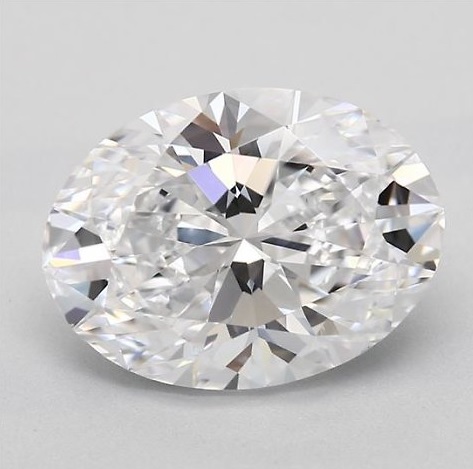
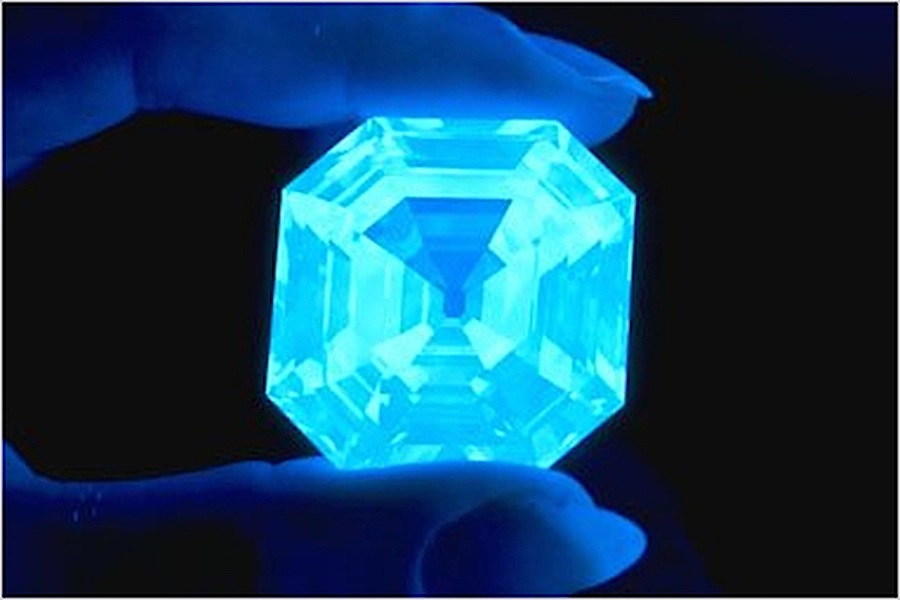
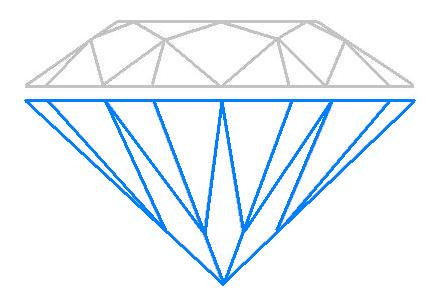
The pavilion is the lower portion of a diamond, extending from the girdle (the widest part) of[…]
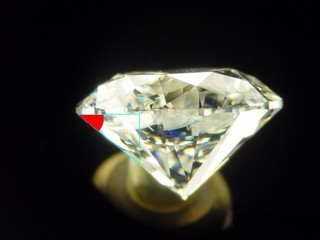
Pavilion Angle
The pavilion angle is a key proportion in diamond cutting, referring to the angle between the girdle[…]
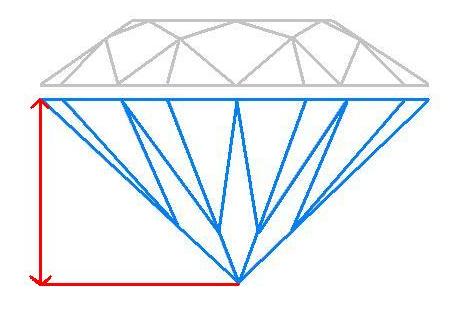
Pavilion Depth
The pavilion depth refers to the vertical distance from the girdle (the widest part of the diamond)[…]
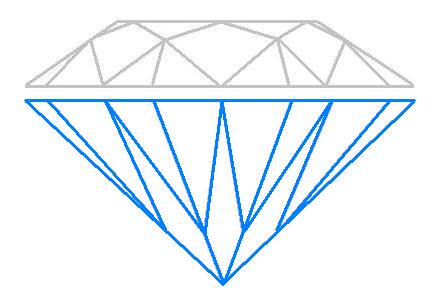
Pavilion Depth Percentage
The pavilion depth percentage is a crucial measurement in understanding how well a diamond performs in terms[…]
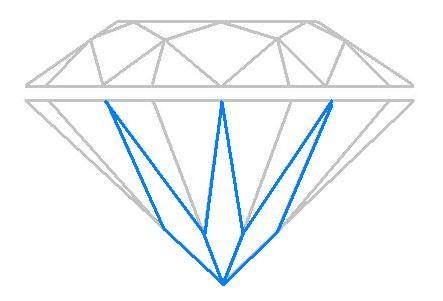
Pavilion Main Facets
The pavilion main facets are a crucial component of a diamond’s pavilion, contributing significantly to its overall[…]
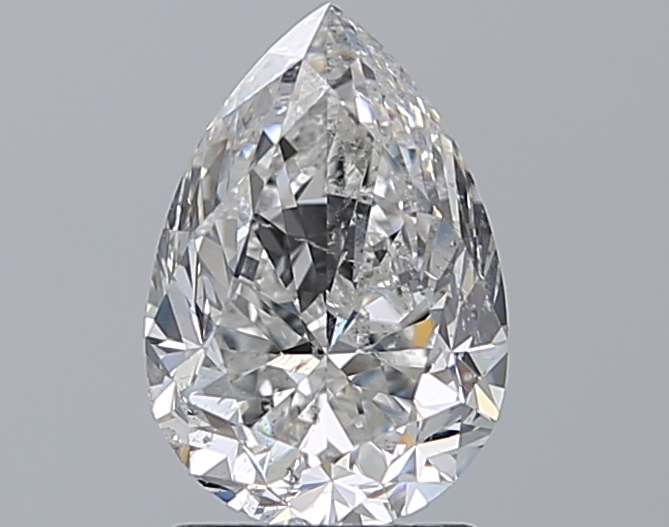
Pear Cut
The pear cut, also known as the teardrop cut, is a popular and elegant diamond shape that[…]
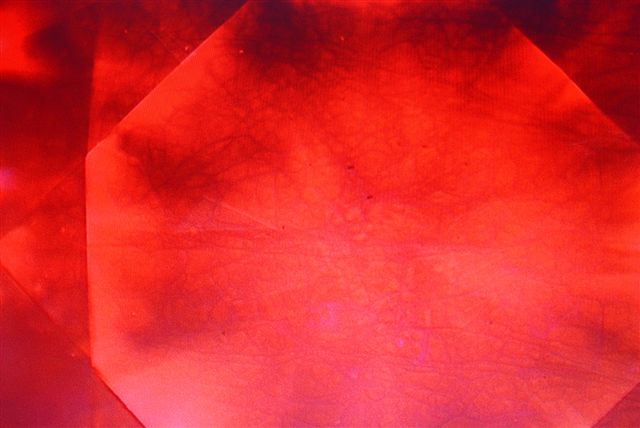
Phosphorescence
Phosphorescence is a rare but fascinating phenomenon observed in some diamonds, where the diamond continues to glow[…]
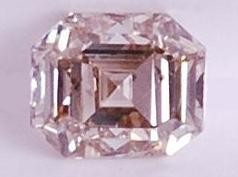
Pink Diamond
A pink diamond is a rare and highly sought-after coloured diamond that exhibits a natural pink body
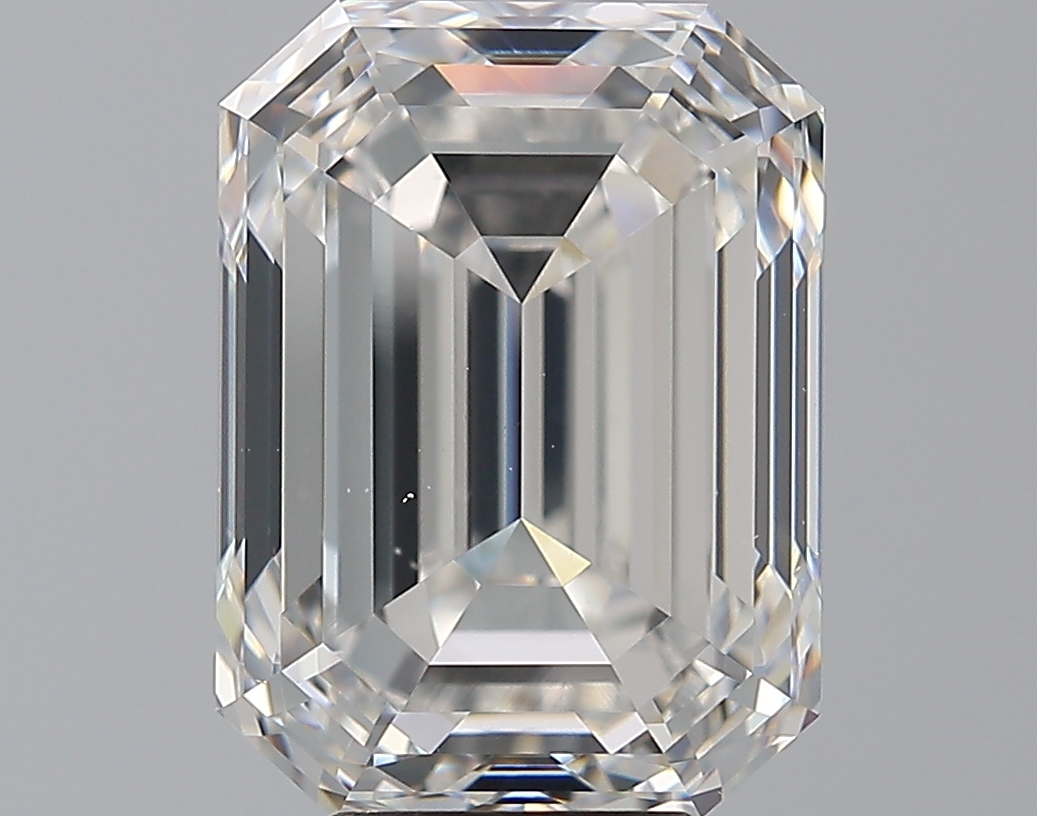
Pinpoints
Pinpoints Very tiny diamond crystal inclusions Very tiny diamond crystal inclusions that are too small in size[…]
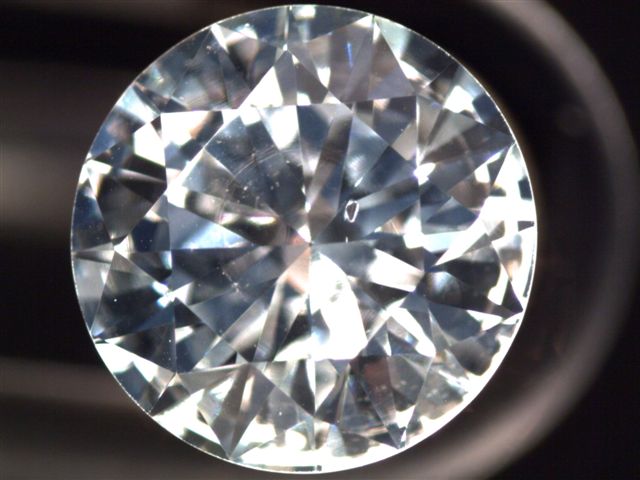
Pit
Type of diamond blemish that appears as a tiny opening or indentation on the surface of a diamond.[…]
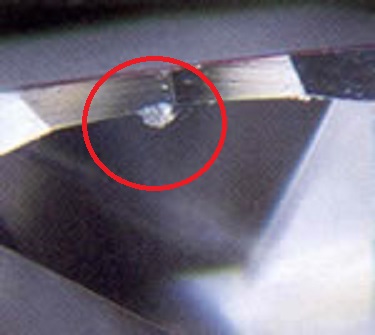
Pitted Facet
A pitted facet is a diamond facet that contains multiple tiny surface pits, giving it a rough[…]
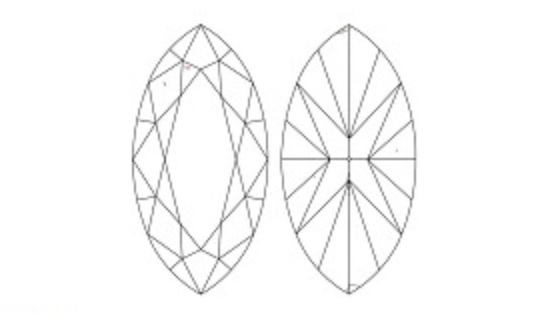
Plotting Diagram or Plot
Diagram of the approximate relative size, location, and type of internal inclusions and external blemishes of a diamond.[…]

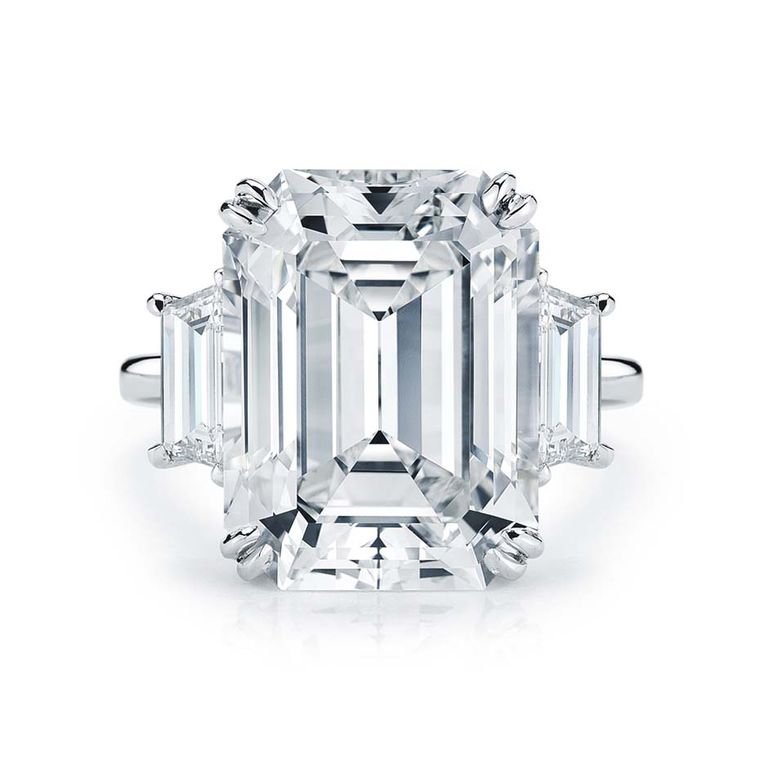
Polish Grade
Qualitative analysis of the overall surface condition of a diamond. The quality of polish is determined by[…]
Polished Girdle
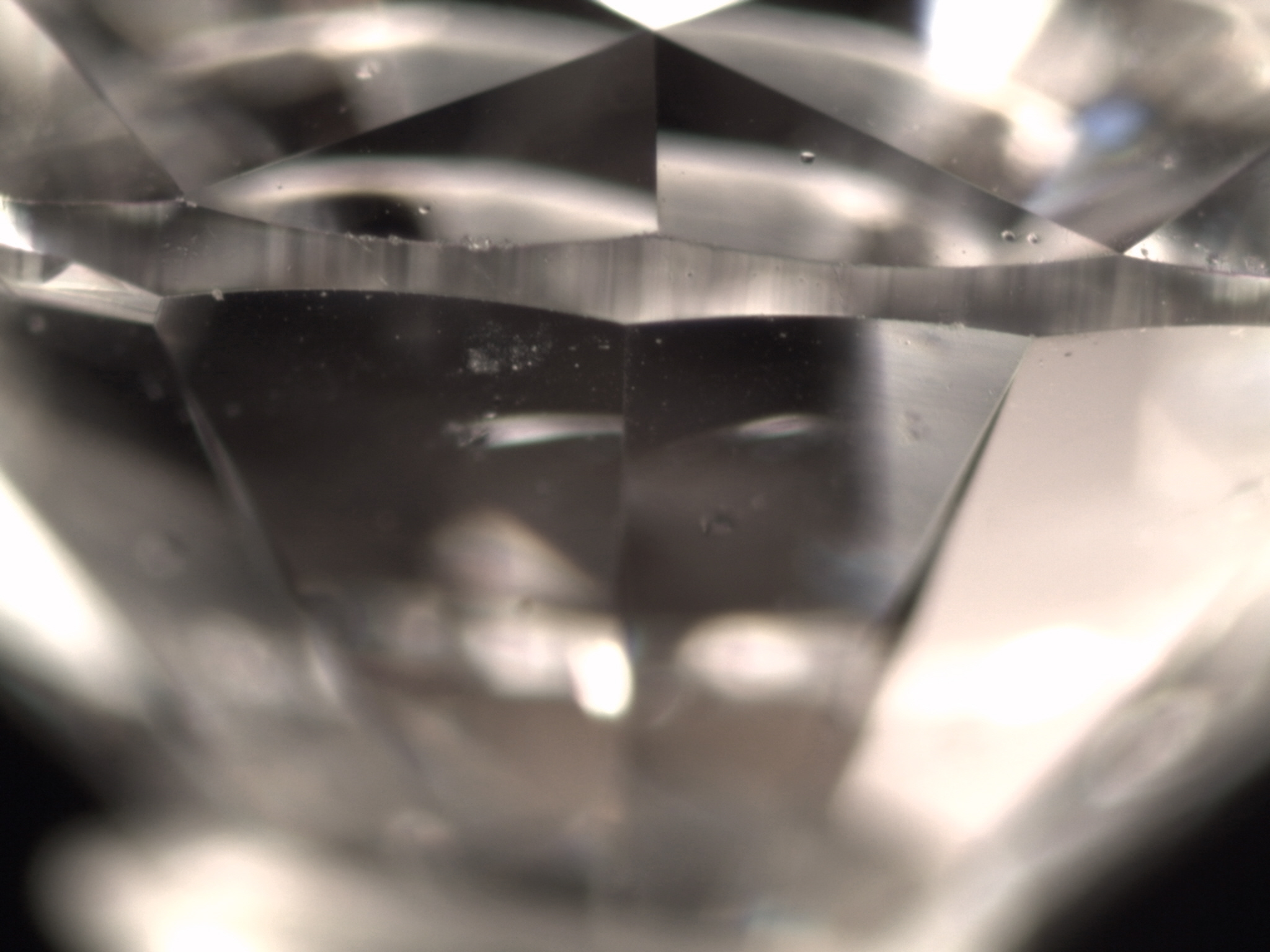
Polished Girdle Describes the girdle of a diamond that has been fully polished smooth and clear around[…]
Princess Cut
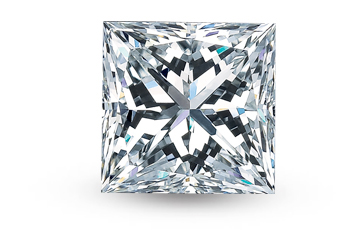
The princess cut is a popular diamond shape known for its sharp, square or rectangular outline and[…]
Proportion Grade
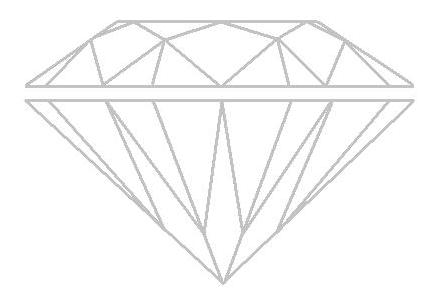
The proportion grade is a qualitative assessment of the overall proportions of a round brilliant cut diamond.
Proportions
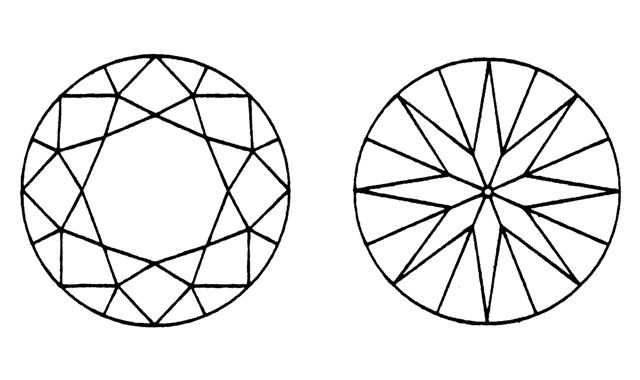
In the context of diamond grading, proportions refer to the relationship between the dimensions and angles of[…]
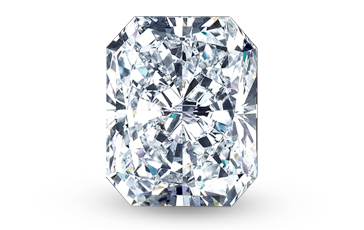
Radiant Cut
The radiant cut is a diamond shape that combines the sparkle of a brilliant cut with the[…]
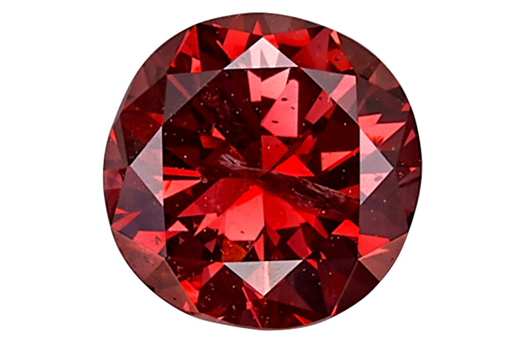
Red Diamond
A red diamond is an extremely rare and captivating coloured diamond with a natural red body colour.
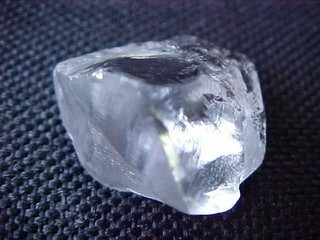
Rough Diamond
A rough diamond is a diamond in its natural state, exactly as it is found deep within[…]
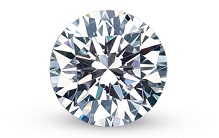
Round Brilliant Cut
The Round Brilliant Cut is by far the most popular and widely recognised diamond cut, known for[…]
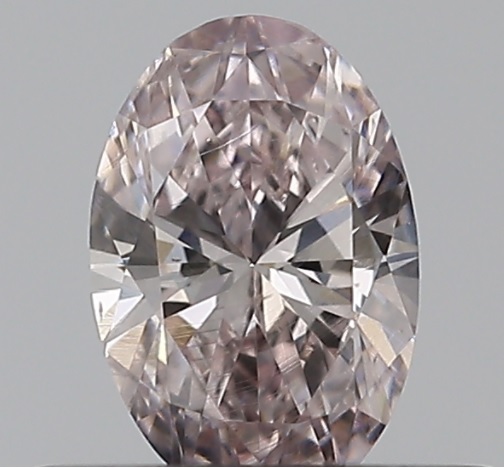
Saturation
Saturation refers to the intensity and purity of colour within a diamond. It is a key factor[…]
Scintillation
Scintillation refers to the sparkle or twinkle that a diamond exhibits as light reflects off its surface[…]
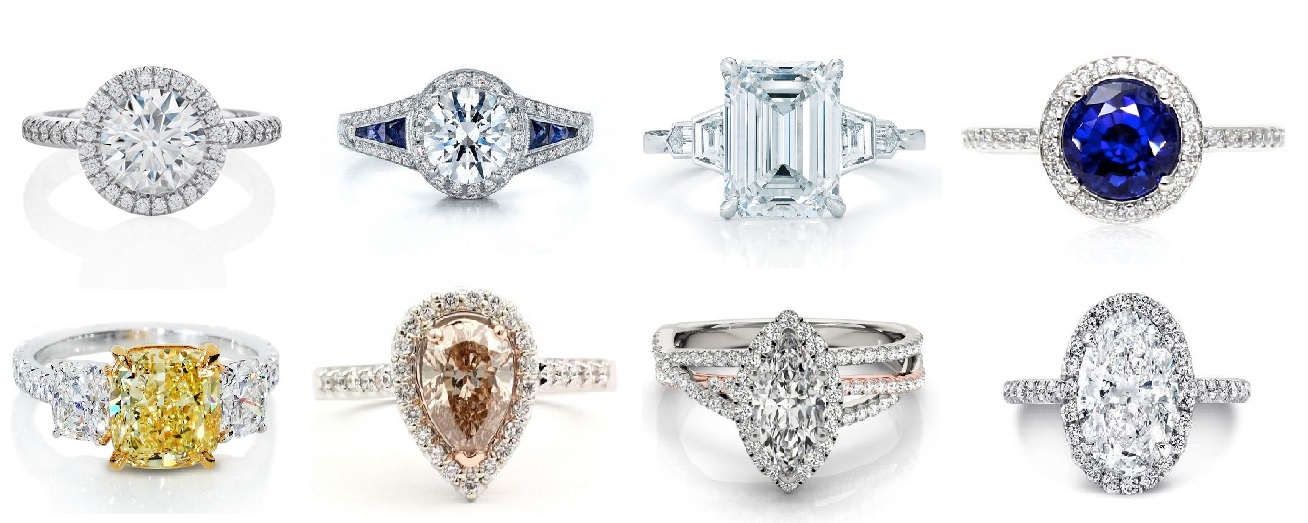
Shape
In the context of diamonds, shape refers to the basic outline or form of a polished diamond,[…]
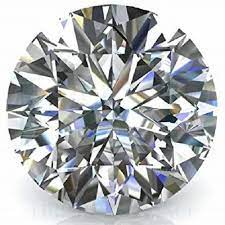
Simulant
A diamond simulant is any material that is designed to mimic the appearance of a diamond but[…]
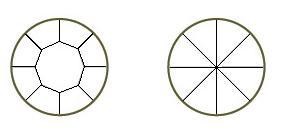
Single-Cut
A single-cut diamond refers to an old-style cut that features only 16 facets in total – 8[…]
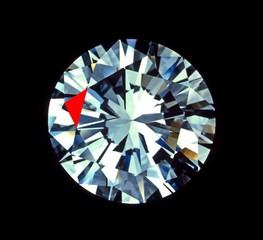
Star Facets
Star facets are the triangle-shaped facets that are located directly around the table facet of a round[…]
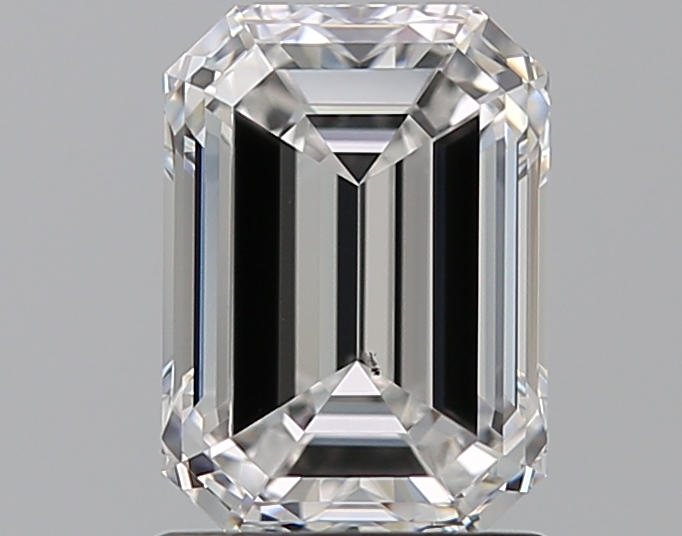
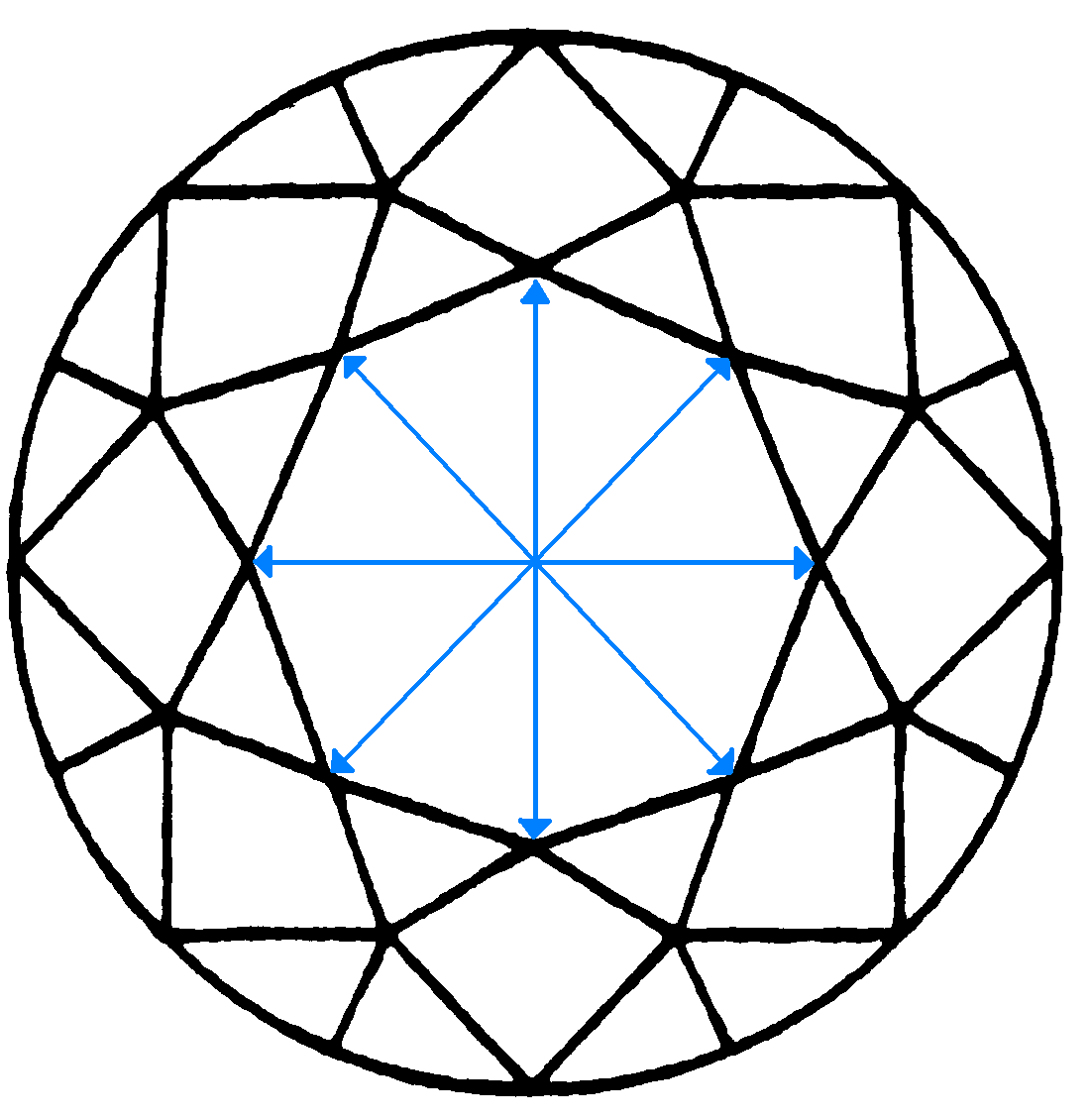
Symmetry
Symmetry in a diamond refers to the degree of alignment and uniformity in the shape and placement[…]
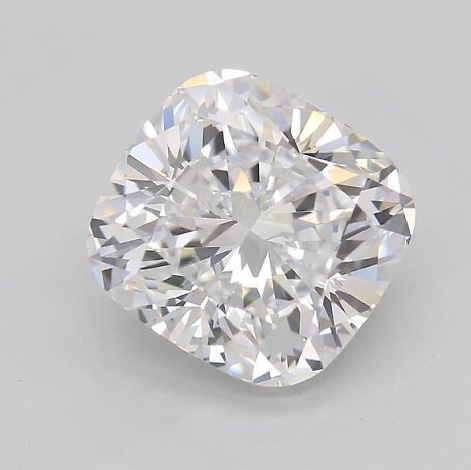
Synthetic Diamond
A synthetic diamond (also known as a lab-grown diamond, man-made diamond, or cultured diamond) is a diamond[…]
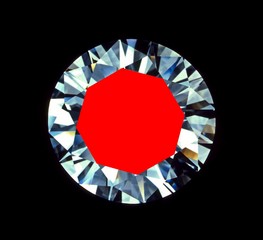
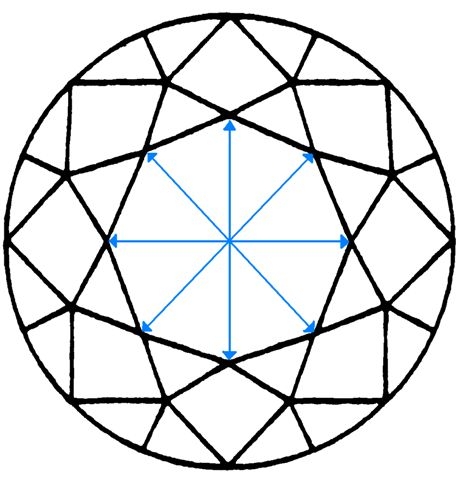
Table Size
Table size refers to the measurement of the table facet of a diamond, which is the large,[…]
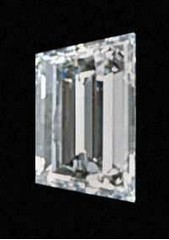
Tapered Baguette Cut
The tapered baguette cut is a specific style of diamond cut that is typically used for accent[…]
Tone
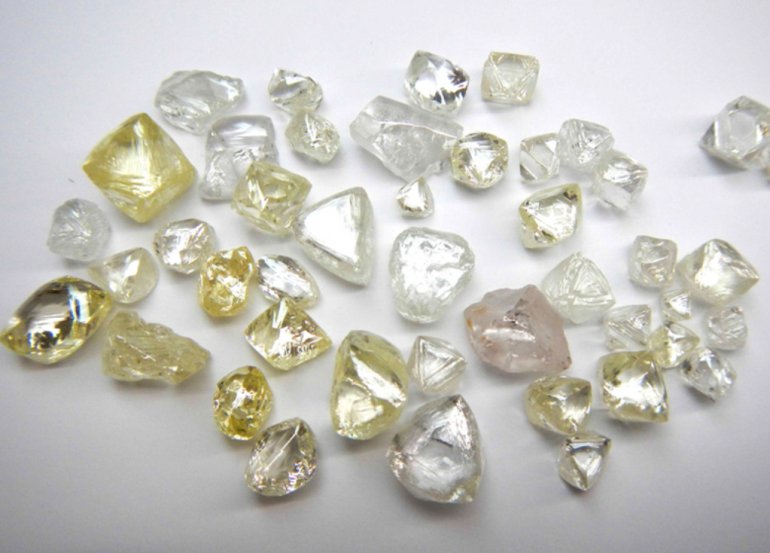
Tone refers to the degree or depth of colour in a diamond, specifically indicating its lightness or
Toughness
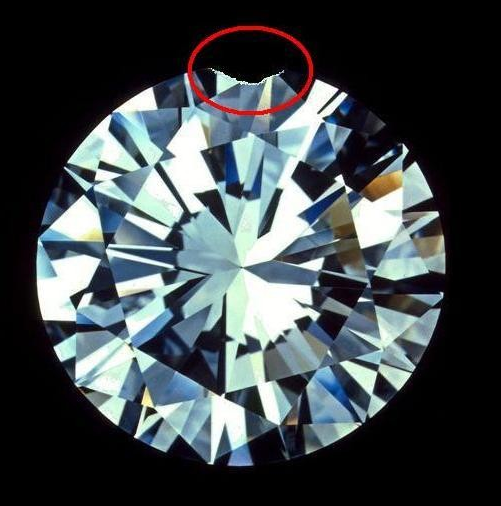
Toughness refers to a diamond’s resistance to fracture or breaking when subjected to impact or stress.
Transparency
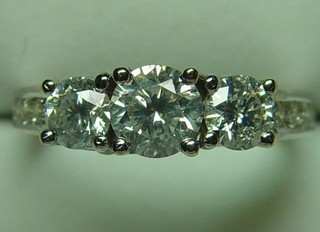
Transparency in diamonds refers to the degree to which light can pass through the diamond’s material, offering[…]
Treated Diamond
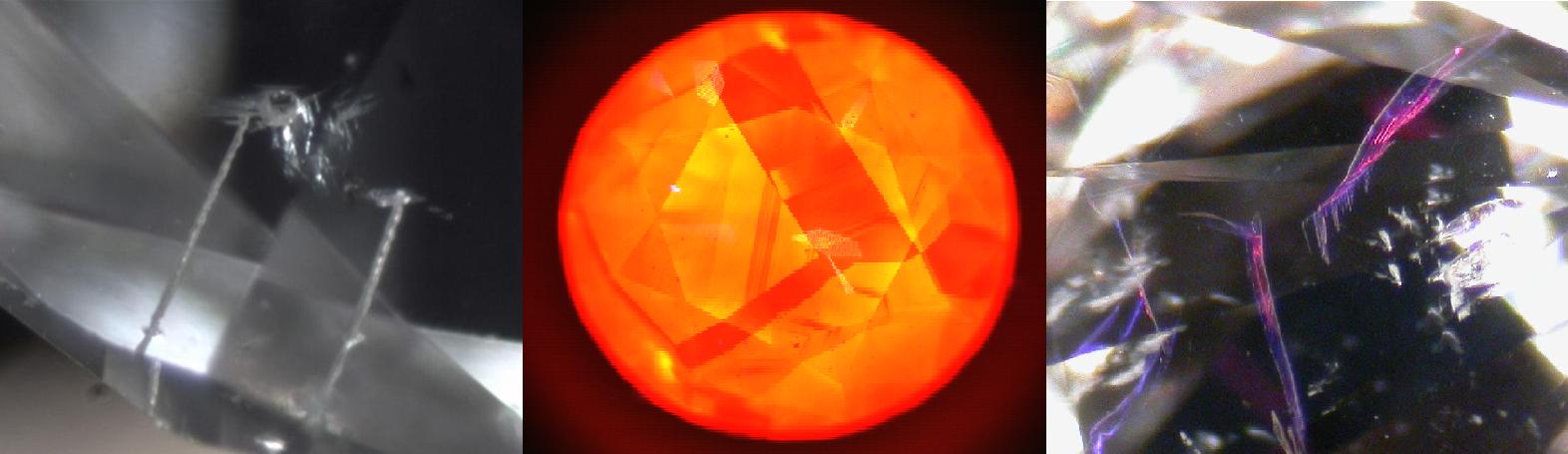
A treated diamond refers to a diamond that has undergone artificial enhancement to improve one or more[…]
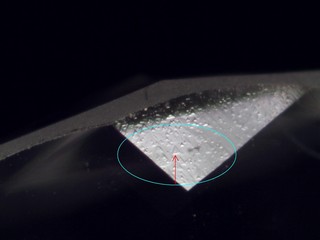
Trigon
A Trigon is a unique feature found in some natural diamonds that is characterised by its triangular[…]
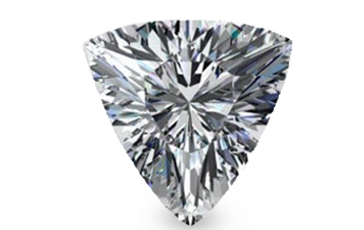
Trilliant
A Trilliant cut, also known as a trillion cut, is a diamond shape characterised by its triangle-like[…]
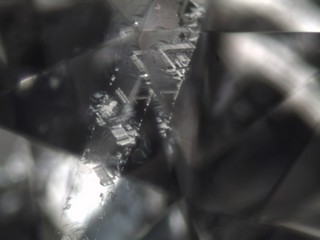
Twinning Line
A Twinning Line is a specific type of diamond inclusion that appears as a line or ribbon[…]
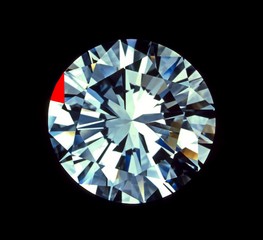
Upper-Girdle Facet
An Upper-Girdle Facet refers to a triangle-shaped facet that is positioned along the girdle of a diamond,[…]
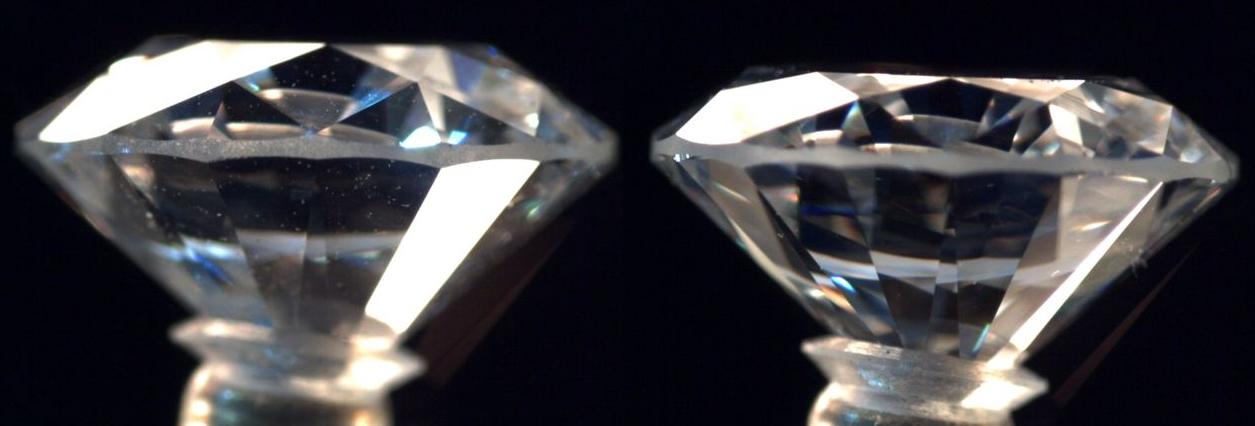
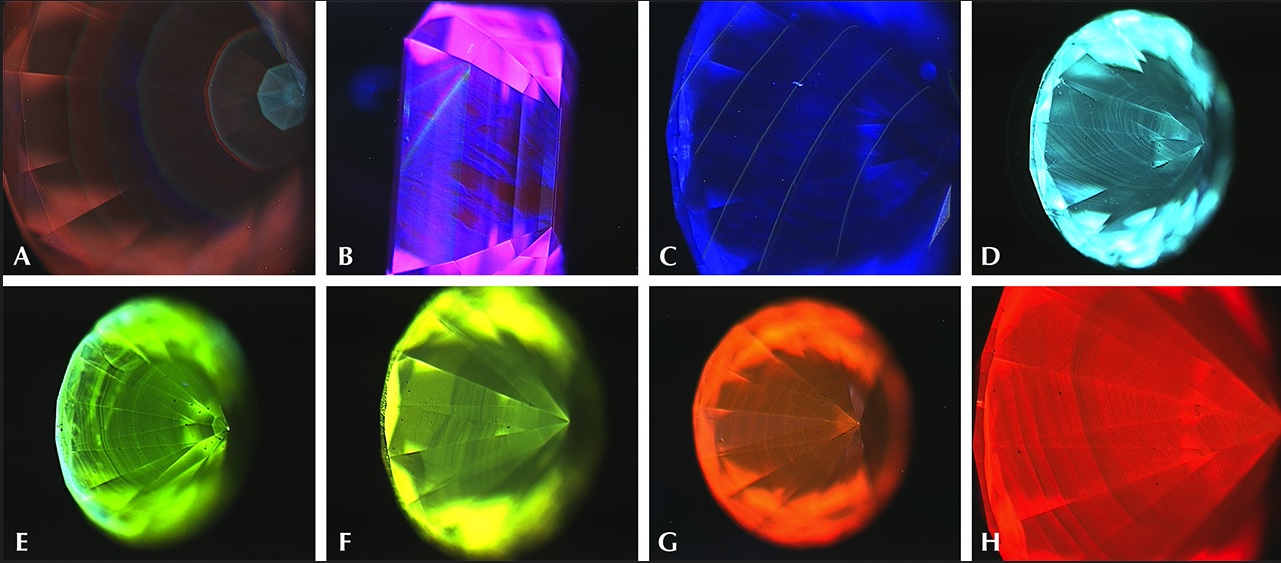
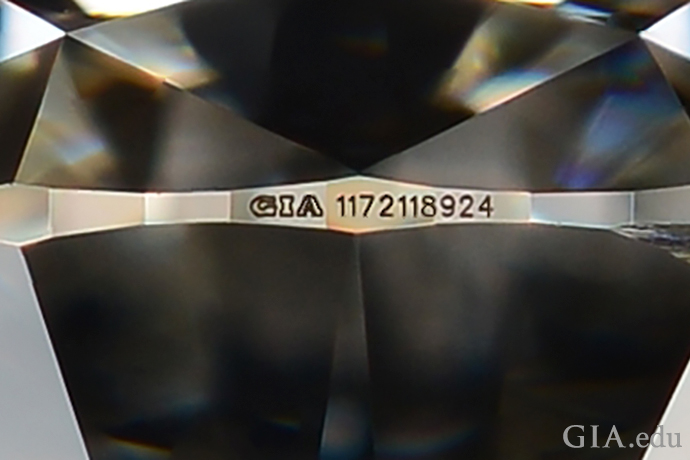

What sort of diamond laser technology does the DCLA use?
What sort of diamond laser technology does the DCLA use?
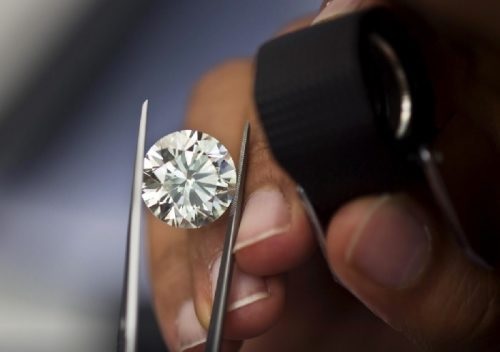
Which one of the 4 C’s of diamond grading is the most important ?
Which one of the 4 C’s of diamond grading is the most important ?

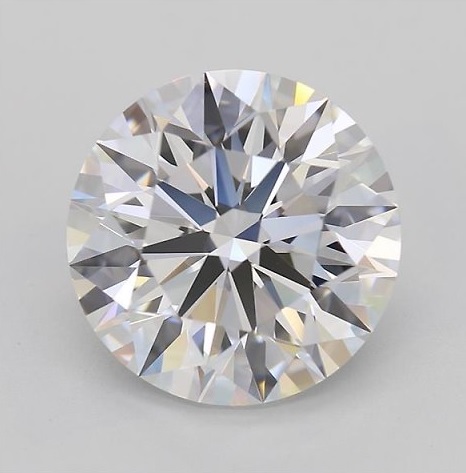
Why do only round brilliant cut diamonds get a proportion grade ?
Why do only round brilliant cut diamonds get a proportion grade ?

Why is it important that my diamond certificate come from an independent diamond grading laboratory?
independent diamond grading laboratory

Why would I want my diamond certified by the DCLA?
The DCLA is the only internationally affiliated and locally accredited diamond grading laboratory in Australia.
Will my diamond certificate or diamond grading report have a value on it?
A certificate is NOT a valuation and therefore does not indicate a dollar value. A diamond grading[…]
World Federation of Diamond Bourses
The World Federation of Diamond Bourses (WFDB) is an international confederation of diamond bourses, or exchanges, which[…]
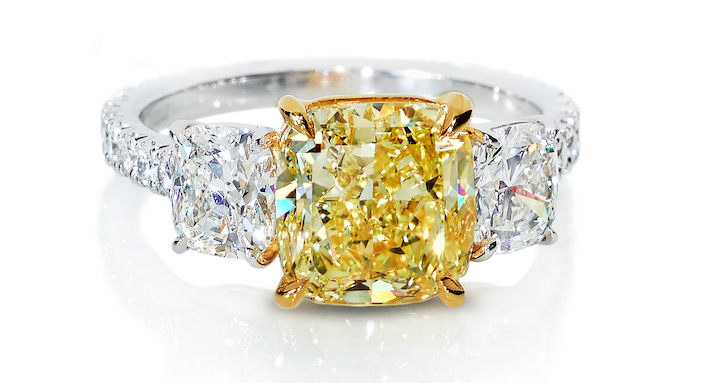
Yellow Diamond
A yellow diamond is a coloured diamond characterised by its natural yellow body colour.