
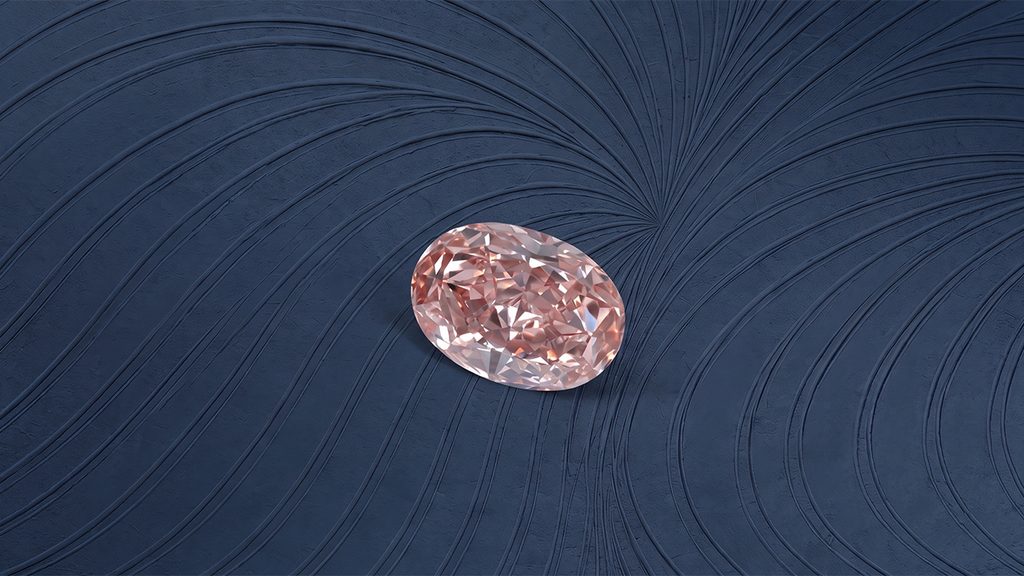
An exceptional 8.63 carat natural pink diamond is set to take centre stage at Sotheby’s High Jewelry auction in Geneva on 11 November 2026, with an estimated price of up to US$6 million. The stone highlights the extraordinary rarity of natural pink diamonds and the continuing fascination they hold for collectors of important gemstones.
The unmounted oval modified brilliant cut diamond has been graded Fancy Intense Pink, VS2 clarity and Type IIa. Sotheby’s will present it as the leading lot in its High Jewelry sale, which will take place immediately before the auction house’s Royal & Noble Jewels sale in Geneva.
The diamond carries an estimated value of CHF 3.3 million to CHF 5 million, equivalent to approximately US$4 million to US$6 million. Its combination of substantial carat weight, intense natural colour and desirable gemological characteristics places it among the notable coloured diamonds appearing at international auction this season.
Where are natural pink diamonds found?
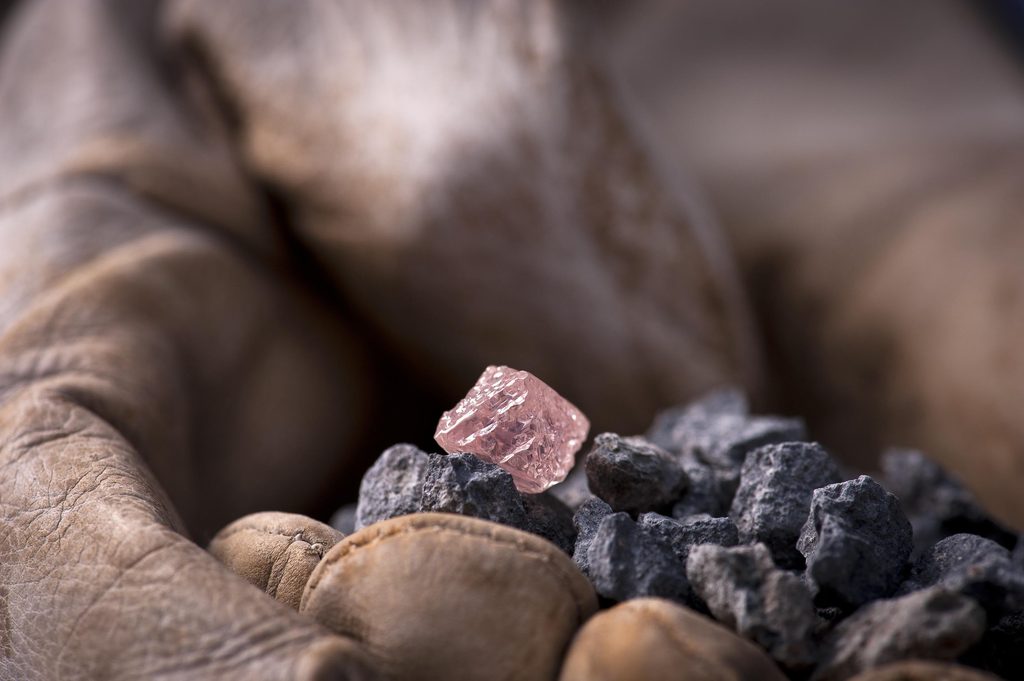
Natural pink diamonds have been recovered from several regions around the world, including Australia, South Africa, Lesotho, Tanzania, Russia, Brazil, Canada and historically India. However, these sources have not contributed equally to the market, and the geological conditions required to produce diamonds with a strong natural pink colour are exceptionally uncommon.
For decades, the most important commercial source was the Argyle diamond mine in Western Australia. Argyle became internationally renowned for its pink and red diamonds, despite these stones representing only a tiny fraction of the mine’s overall diamond production. The mine ceased operations in 2020, bringing an end to the regular supply from the world’s most significant historical source of pink diamonds.
Since the closure, the market has become even more conscious of the finite supply of Argyle-origin stones. However, pink diamonds continue to be found elsewhere, and discoveries in places such as Lesotho demonstrate that the geological potential for exceptional pink diamonds extends beyond Australia.
South Africa has its own distinguished place in this history, having produced some of the most famous large pink diamonds ever discovered.
The Steinmetz Pink: a South African diamond of extraordinary scale
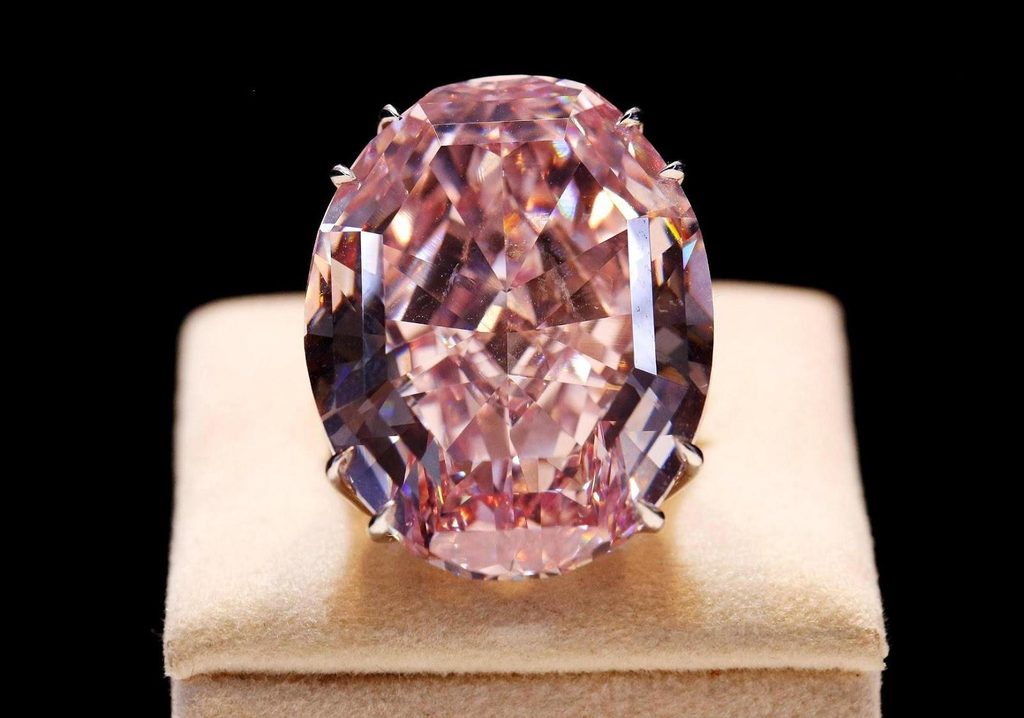
One of the most remarkable examples of South Africa’s contribution to the world of natural pink diamonds is the legendary 59.60 carat Steinmetz Pink, now known as the CTF Pink Star.
The diamond began as a 132.50 carat rough crystal mined by De Beers in Africa in 1999. It was subsequently cut and polished by Steinmetz Diamonds over nearly two years, emerging as an oval diamond graded Fancy Vivid Pink and Internally Flawless by the Gemological Institute of America (GIA). It was unveiled publicly in Monaco in 2003 as the Steinmetz Pink.
The diamond later became known as the Pink Star and, following its acquisition by Hong Kong jewellery group Chow Tai Fook, the CTF Pink Star. In April 2017, it sold at Sotheby’s Hong Kong auction for HK$553 million, approximately US$71.2 million, setting a world auction record for a diamond or gemstone.
Its history illustrates why South Africa remains an important part of the story of exceptional pink diamonds. The country’s historic diamond fields have produced important coloured stones, including diamonds of remarkable size and quality.
Why are some pink diamonds so large?
The size of an exceptional pink diamond is not simply a consequence of its colour. Pink diamonds can occur in different geological environments, and their colour is associated with structural deformation within the diamond’s crystal lattice. This deformation affects how the stone interacts with light, producing its characteristic pink appearance. The precise mechanisms responsible for colour can vary between stones.
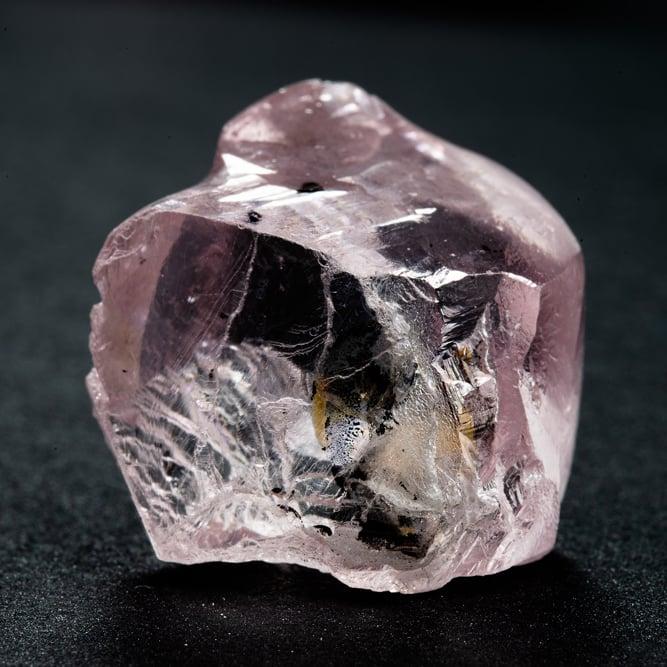
South Africa’s historic diamond deposits have produced large, important diamonds, while the Argyle mine in Australia became the dominant commercial source of pink diamonds because of the frequency with which pink stones appeared in its production. These are distinct geological and mining histories, rather than evidence that one country exclusively produces the largest pink diamonds.
The Steinmetz Pink demonstrates what can happen when a substantial rough diamond combines with exceptional colour and clarity. Its finished weight of 59.60 carats is particularly extraordinary because cutting a rough diamond involves balancing the retention of carat weight against the need to maximise colour, clarity, symmetry and overall appearance.
Unlike colourless diamonds, where the absence of colour is a major grading consideration, fancy coloured diamonds are assessed principally for their colour characteristics. These include hue, tone and saturation, alongside the stone’s clarity, carat weight, cut and overall appearance.
The distinction between Fancy Intense Pink and Fancy Vivid Pink is important. Fancy Vivid Pink represents a higher colour-intensity category, but it does not automatically follow that every vivid pink diamond is more valuable than every intense pink diamond. Size, clarity, colour distribution, cutting quality and market demand all influence the final price.
The November Geneva offering is graded Fancy Intense Pink with VS2 clarity. Its 8.63 carat weight and reported Type IIa classification add further gemological interest. Type IIa diamonds contain extremely low levels of nitrogen and can possess exceptional optical properties, although this classification alone does not establish a diamond’s value or geographic origin.
For DCLA, the auction is a reminder of the importance of independent gemological assessment when dealing with exceptional natural coloured diamonds. Reliable identification, colour grading, clarity assessment and documentation are essential to understanding what makes each stone distinctive.
A rare natural treasure in a changing market
The closure of the Argyle mine has brought greater attention to the scarcity of natural pink diamonds, particularly stones with strong colour and significant carat weight. While new discoveries remain possible in other diamond-producing regions, exceptional natural pink diamonds continue to be rare.
The upcoming Sotheby’s Geneva sale will provide another opportunity to see how collectors respond to a remarkable natural coloured diamond. Whether the 8.63 carat stone reaches its upper estimate remains to be seen, but its appearance at auction reinforces the enduring appeal of gemstones whose beauty is the result of extraordinary geological processes.
From South Africa’s famous Steinmetz Pink to the celebrated pink diamonds of Australia’s Argyle mine, these stones represent some of the most remarkable achievements of nature and the skill of the diamond cutter.
For further reading, explore DCLA’s coverage of Boodles and its major Argyle diamond acquisition and the laboratory’s historical report on the 59.60 carat pink diamond’s record-breaking auction.
DCLA is the Diamond Certification Laboratory of Australia. Independent gemological examination and accurate reporting help establish a diamond’s characteristics and support informed understanding of these rare natural treasures.
Comments are closed