
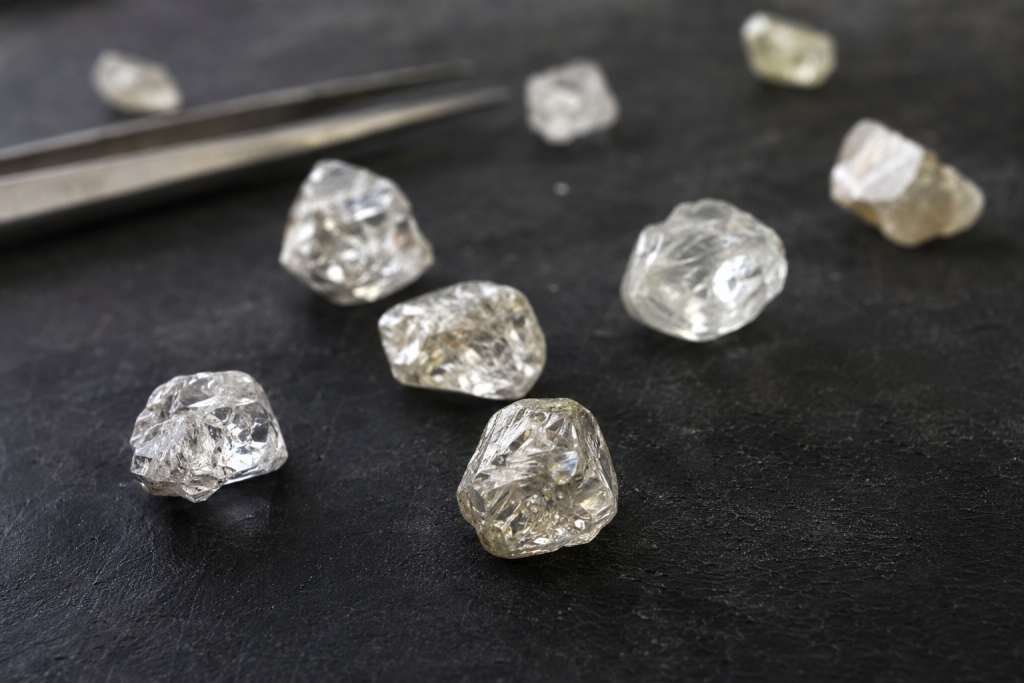
The natural diamond industry is entering a crucial period of transformation, with market leaders highlighting the key forces that will shape demand, supply and consumer confidence over the next five years.
According to analysis from De Beers, rebuilding demand for natural diamonds will depend on several important industry priorities, including stronger marketing, clearer differentiation from lab grown diamonds and a more balanced supply environment.
Marketing Remains Critical for Natural Diamond Demand
De Beers believes effective marketing will play a central role in restoring consumer desire for natural diamonds. After a period of changing consumer behaviour and economic uncertainty, the industry must continue to communicate the unique emotional value, rarity and enduring legacy of natural diamonds.
Building a stronger connection with younger consumers will be essential to ensuring natural diamonds maintain their position as symbols of love, commitment and achievement.
Lab Grown Diamond Pricing Faces Growing Pressure
The rapid growth of synthetic lab grown diamonds has created a new competitive landscape for the diamond industry.
However, current retail margins on lab grown diamonds are expected to face increasing pressure as competition expands and production continues to rise. As prices decline, the industry believes consumers will increasingly focus on understanding the differences between natural diamonds and laboratory created alternatives.
Differentiation Becomes Key to Consumer Confidence
Clear education and transparency will be vital for the future of the diamond market.
Natural diamonds are formed over billions of years beneath the earth’s surface, while lab grown diamonds are created through technological processes in controlled environments. Ensuring consumers understand these differences will be important in maintaining confidence and value perception.
Independent grading and certification from recognised laboratories such as DCLA will continue to play an important role in providing consumers with trust and assurance when purchasing natural diamonds.
Declining Rough Diamond Supply Could Support Long Term Market Balance
Another major factor shaping the future of natural diamonds is declining global rough diamond production.
With several major mines reaching maturity and fewer large discoveries entering production, supply is expected to reduce over the medium to long term. A tighter supply environment could help support a healthier balance between availability and demand.
Russia Introduces New Rough Diamond Export Duty
Russia is set to introduce an 8% export duty on rough diamonds weighing 0.45 carats or more from September 1.
The new measure, announced through a government decree, adds another layer of complexity to the global rough diamond supply chain. Russia remains one of the world’s largest diamond producers, meaning changes to its export policies can influence international market dynamics.
AWDC Launches First Sale of Traceable Artisanal Diamonds from Congo
The Antwerp World Diamond Centre has completed its first sale of artisanally mined rough diamonds from the Democratic Republic of Congo through the OrigemA programme.
Established in 2022 as a partnership between Belgium and the DRC, OrigemA aims to connect small scale Congolese miners with international markets by providing fully traceable artisanal diamonds.
The programme is designed to improve market access for artisanal miners while ensuring they receive fair value for their production. The DRC accounts for a significant share of global artisanal diamond output, making responsible sourcing initiatives increasingly important for the future of the industry.
Petra Diamonds Faces Ongoing Industry Pressure
Petra Diamonds continues to experience the challenges affecting many mid tier diamond producers as the industry works through a prolonged period of market disruption.
Lower rough diamond prices, weaker luxury demand in key markets and increased competition from lab grown diamonds have created financial pressure across the sector.
The company’s restructuring challenges highlight the broader issues facing producers with concentrated operations and single commodity exposure. The coming years are expected to test the resilience of diamond miners as the industry adjusts to changing consumer demand and evolving market conditions.
The Future of Natural Diamonds
The next five years will be a defining period for the natural diamond industry.
Success will depend on strengthening consumer confidence, improving education, supporting responsible sourcing and reinforcing the unique value of natural diamonds.
While the market faces significant challenges, declining supply, stronger differentiation and renewed storytelling around natural diamonds could create the foundation for a more balanced and sustainable future.
Comments are closed