
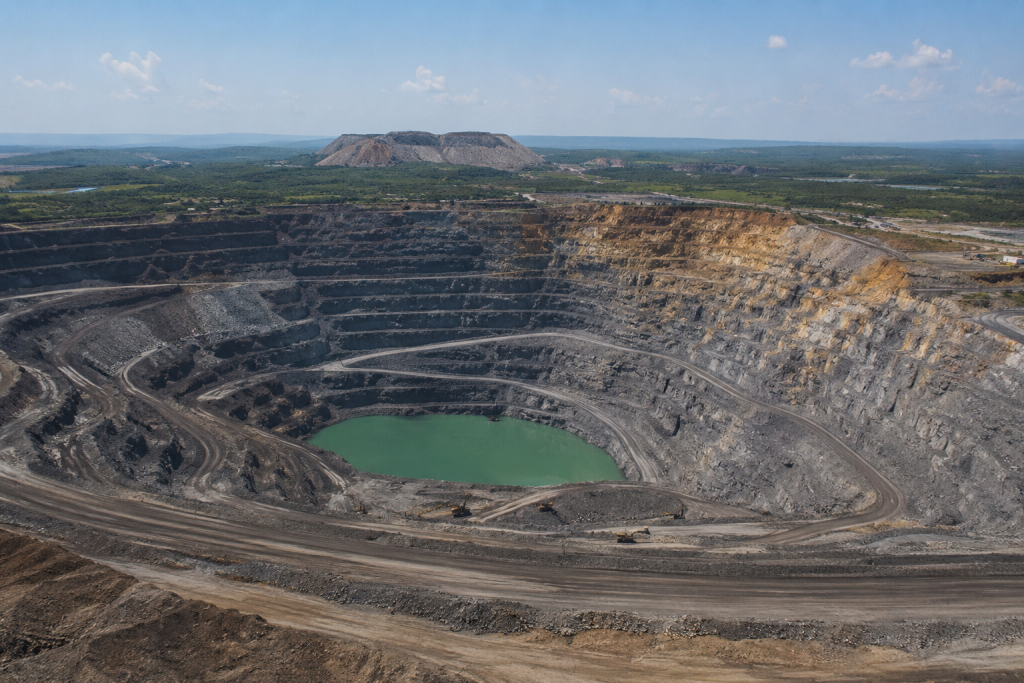
The long awaited sale of De Beers appears to be approaching its final stage, with Anglo American expected to complete the transaction before the middle of 2026 as the mining giant continues its strategic shift away from diamonds.
Speaking on 16 June at the Reuters NEXT Europe economic summit in London, De Beers CEO Al Cook indicated that the sale process could be concluded within “a few weeks, rather than a few months”, signalling that one of the most significant transitions in the modern diamond industry is moving closer to completion.
After more than a century as one of the most influential names in the global diamond trade, De Beers is entering a new era. Anglo American began reviewing its portfolio in 2023 as part of a broader strategy focused on commodities with stronger long term growth potential, including copper, iron ore and minerals linked to the global energy transition.
The shift comes after a challenging period for the diamond market. Between 2022 and 2025, De Beers experienced a substantial decline in financial performance, with sales falling from approximately US$6.6 billion in 2022 to around US$3.5 billion in the latest reporting period. Production also declined from approximately 35 million carats to 21.7 million carats.
Changing Consumer Demand Reshapes the Diamond Market
The decline in luxury spending in China, combined with the rapid growth of lab grown diamonds in the United States, has placed significant pressure on demand for natural diamonds.
The market has experienced three consecutive years of weaker demand, forcing the industry to reassess supply, pricing strategies and the long term role of natural diamonds in the luxury sector.
Despite these challenges, interest in acquiring De Beers remains strong. The company continues to attract potential buyers, including strategic investors, diamond producing nations and experienced industry figures.
Botswana, which already owns a 15 per cent stake in De Beers, has been exploring opportunities to increase its involvement alongside international partners. Diamonds remain central to Botswana’s economy, representing a major share of export earnings and a significant contributor to national GDP.
A greater ownership position could allow Botswana to capture more value from the diamond supply chain and increase its influence over the future direction of the global diamond industry.
Future Diamond Supply Could Support Prices
While the short term market remains challenging, potential buyers are also focused on the longer term fundamentals of diamonds, particularly the issue of supply scarcity.
The discovery of major new diamond deposits has slowed significantly. The Luele mine in Angola is regarded as one of the most important discoveries of the past two decades, while several established mines in Canada and southern Africa are expected to reduce production or close in the coming years.
As global production declines, the balance between supply and demand could begin to shift. A tighter supply environment may provide support for natural diamond prices over the medium to long term.
The sale of De Beers represents more than a corporate transaction. It marks the end of an era for one of the most recognised names in luxury and signals a new chapter for the global diamond industry, where ownership, supply control and changing consumer preferences will shape the future of natural diamonds.
Comments are closed