
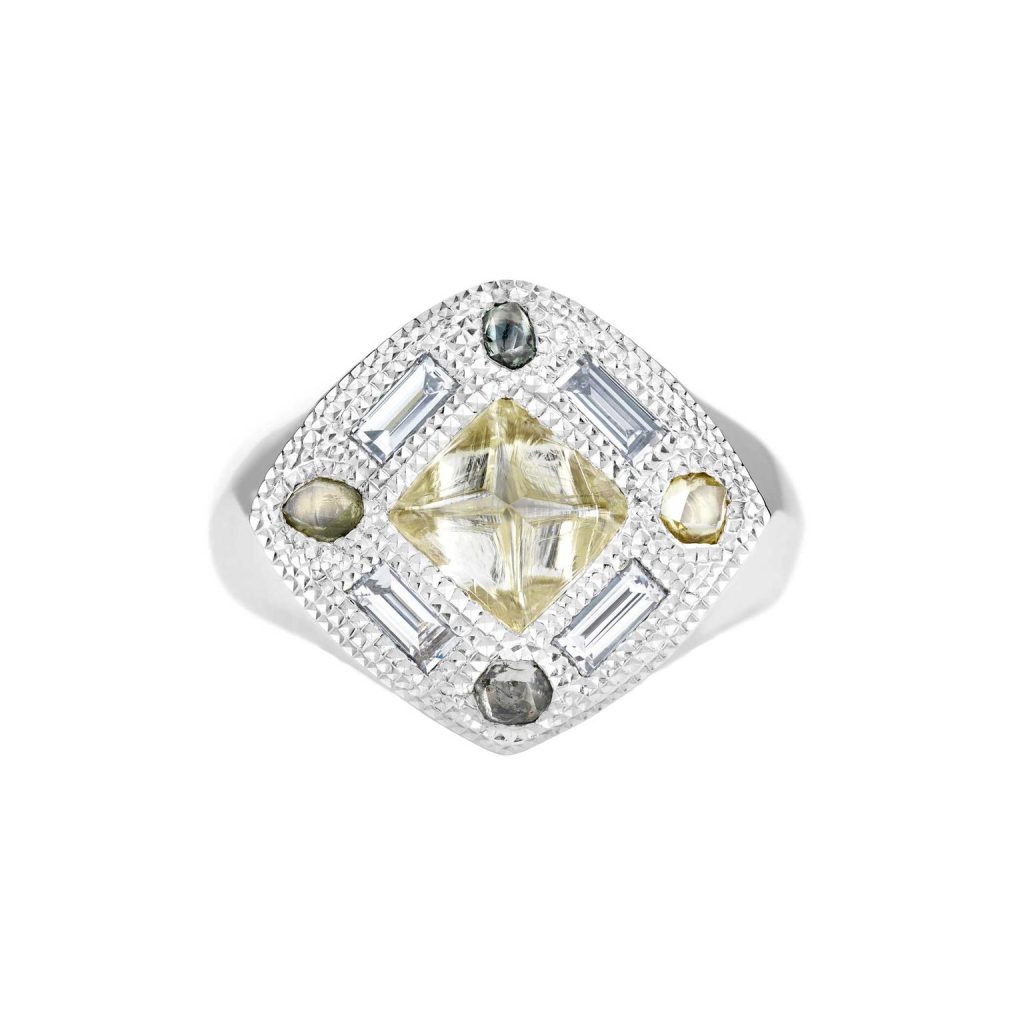
A clear shift is underway across the jewellery markets in the United Kingdom and the United States, where demand for rough, uncut diamond jewellery continues to accelerate. Against a backdrop of geopolitical tension and economic uncertainty, consumers are increasingly drawn to pieces that represent authenticity, individuality, and a deeper connection to natural origins.
Unlike traditional polished stones, rough diamonds present an organic, untouched aesthetic each one inherently unique. This raw beauty is resonating strongly with a new generation of buyers who prioritise personal expression over conventional notions of perfection. In this segment, irregularity is not a flaw, but a defining feature of value.
The momentum behind this trend has been amplified by the expansion of the De Beers Talisman collection. By pairing rough and polished diamonds in innovative designs, the collection has successfully repositioned rough stones within high jewellery bridging traditional craftsmanship with contemporary design language and attracting both collectors and design-led consumers.
From a broader market perspective, the rise of rough diamond jewellery reflects a growing preference for tangible, meaningful assets. In uncertain times, buyers are seeking rarity, permanence, and intrinsic value qualities naturally embodied by diamonds in their most authentic form.
For the trade, this evolution presents both opportunity and responsibility. Educating consumers on the characteristics, formation, and grading complexities of rough diamonds remains critical, alongside maintaining transparency and provenance areas where DCLA continues to play a pivotal role.
As the market evolves, rough diamonds are no longer viewed as unfinished they are increasingly recognised as a deliberate, sophisticated choice.
6.03ct Fancy Vivid Blue Diamond Could Fetch Up to $12 Million
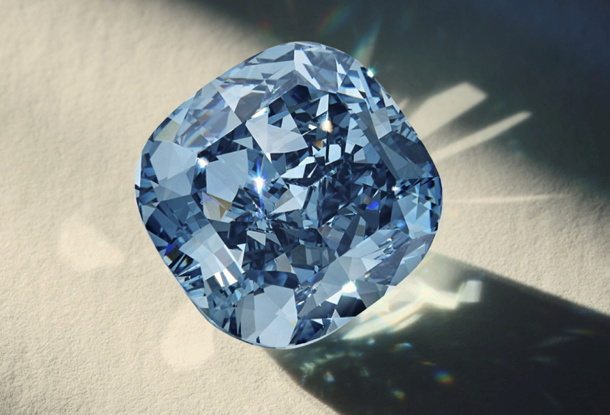
A rare 6.03-carat fancy vivid blue diamond is set to headline an upcoming auction at Sotheby’s Geneva, with expectations reaching as high as CHF 9.5 million (approximately USD $12.2 million).
The cushion-modified brilliant, classified as a Type IIb diamond, originates from South Africa’s renowned Cullinan mine and is set in a platinum ring. It will lead the High Jewellery sale scheduled for 12 May.
This follows the strong performance of another Cullinan blue at Sotheby’s Geneva in May 2025, when the 10.3-carat “Mediterranean Blue” achieved $21.5 million, or approximately $2.09 million per carat highlighting sustained demand for rare blue diamonds at the top end of the market.
The current 6.03-carat stone carries an estimate of CHF 7.2 million to CHF 9.6 million (USD $8.0 million to $10.7 million), equating to roughly $1.33 million to $1.77 million per carat, reinforcing the continued strength of the coloured diamond segment.
Masked Raiders Steal Dozens of Rolex Watches in Texas
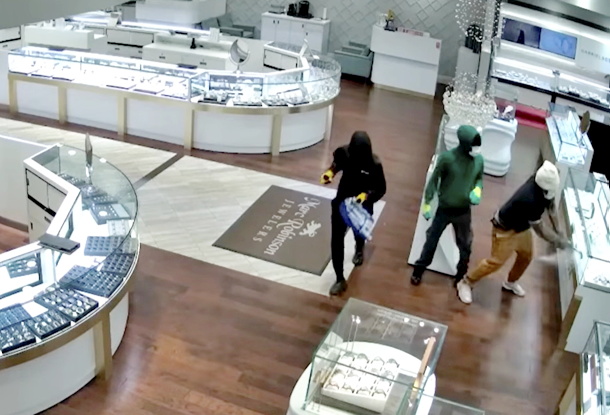
In a stark reminder of rising security risks within the luxury sector, a group of masked thieves carried out a targeted raid on a jewellery store in Austin, Texas, stealing at least 50 pre-owned Rolex watches.
The incident occurred on 21 April at Marc Robinson Jewelers, where eight suspects used hammers to smash display cases after deploying pepper spray against an employee and a bystander. The group reportedly fled with a significant volume of high-value inventory before staff could intervene.
The store, known for holding one of the largest inventories of pre-owned Rolex watches in the region, was specifically targeted suggesting prior surveillance and planning. Authorities later recovered a stolen getaway vehicle but have yet to make any arrests.
The underscores the increasing need for enhanced security protocols across the jewellery and watch retail sector, particularly for businesses dealing in high-value branded goods.
DCLA Insight:
From evolving consumer preferences toward rough diamonds to continued strength in rare coloured stones and rising security concerns, the global jewellery market is undergoing dynamic change. For industry professionals, adaptability, education, and vigilance remain key to navigating this rapidly shifting landscape.
Comments are closed