
Designing a bespoke ring allows for complete creative control and ensures the finished piece meets the highest standards of craftsmanship and gemstone quality. Unlike mass-produced jewellery, a custom-designed ring is built around precision, balance, and expert material selection—resulting in a piece that is both personal and enduring.
This guide outlines the key stages involved in designing a bespoke ring, with a focus on informed decision-making and diamond integrity.
1. Establish a Clear Budget
Setting a realistic budget at the beginning of the bespoke process is essential. A defined budget helps prioritise critical elements such as diamond quality, metal choice, and setting design.
When working with a professional jeweller or diamond specialist, transparency around budget allows for informed recommendations—particularly when balancing the 4Cs (cut, colour, clarity, and carat weight) to achieve optimal visual performance.
2. Allow Adequate Time for Design and Production
Bespoke rings require careful planning and execution. From initial consultation and design development to diamond sourcing and final manufacture, the process typically takes several weeks to a few months.
Allowing sufficient time ensures that design accuracy, stone setting, and finishing standards are not compromised—particularly when working with certified diamonds and precision-crafted settings.
3. Select the Appropriate Metal
The choice of metal significantly influences both the appearance and longevity of a bespoke ring. Common options include:
- Platinum – highly durable, naturally white, and ideal for securing diamonds
- White gold – modern and versatile
- Yellow gold – traditional and timeless
- Rose gold – distinctive and contemporary
Each metal offers different structural and aesthetic properties. Professional guidance ensures the metal selected complements the diamond and intended design while meeting durability requirements.
4. Choose Your Diamond or Gemstone
Diamond selection is a critical stage in the bespoke process. While natural diamonds remain the preferred choice for engagement rings, coloured diamonds and alternative gemstones may also be considered.
When selecting a diamond, certification from a recognised laboratory is essential. Independent grading provides assurance of the stone’s quality, authenticity, and characteristics—protecting both the buyer and the long-term value of the ring.
For coloured gemstones, factors such as colour saturation, treatment disclosure, and durability should be carefully evaluated.
5. Design Development and Technical Precision
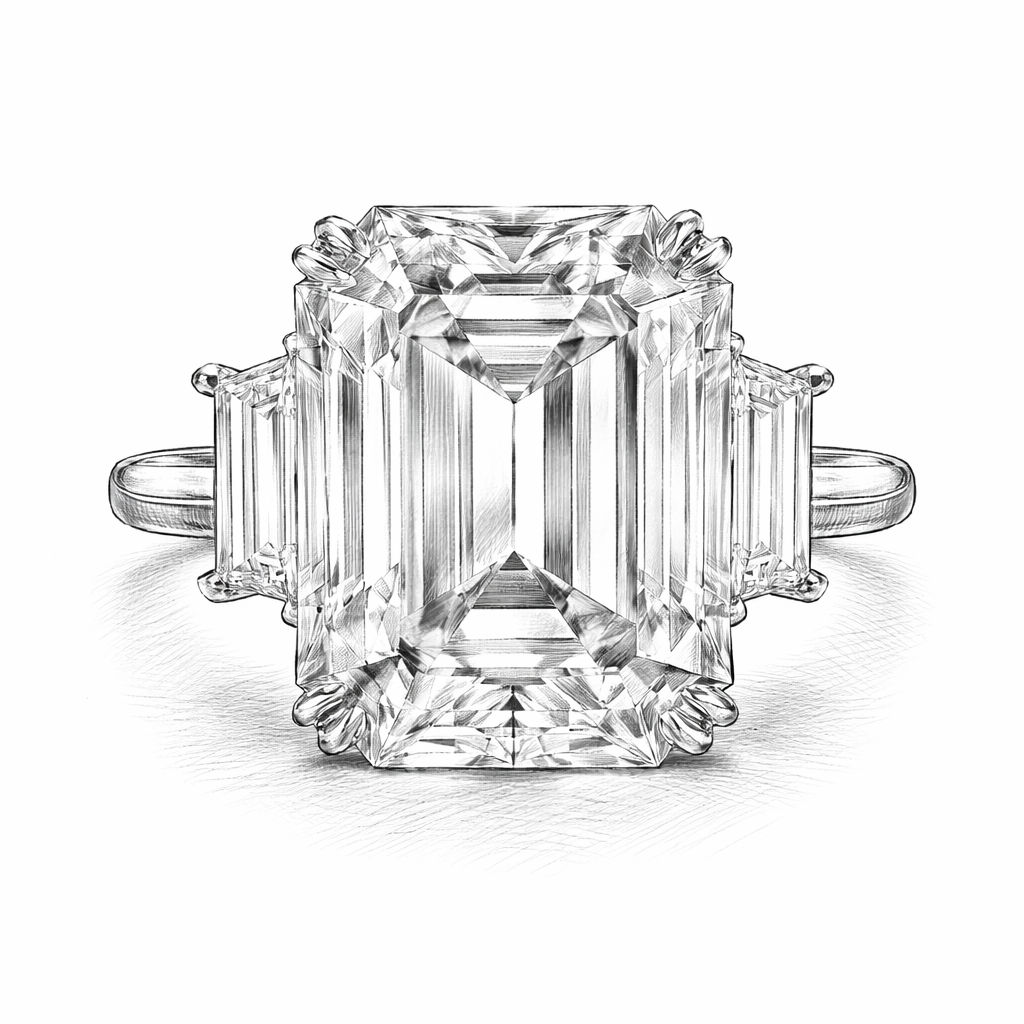
The design phase typically begins with reference imagery and conceptual sketches, followed by CAD (computer-aided design) modelling. This allows precise evaluation of proportions, setting security, and stone placement before manufacture begins.
Once the design and gemstone selection are finalised, the ring is produced using expert craftsmanship, ensuring structural integrity and long-term wearability.
Bespoke Ring Design and Diamond Integrity
A well-designed bespoke ring is defined not only by its appearance, but by the quality of its materials and the precision of its execution. Independent diamond grading and professional design practices are essential to maintaining industry standards and consumer confidence.
At DCLA – the Diamond Certification Laboratory of Australia, education, transparency, and accurate diamond grading remain central to supporting informed jewellery design and responsible diamond sourcing.
Comments are closed