
Insights from the Diamond Certification Laboratory of Australia (DCLA)
In the diamond industry, shape is far more than an aesthetic choice. It plays a direct role in value, pricing structure, and how efficiently a rough diamond can be transformed into a polished stone. At the Diamond Certification Laboratory of Australia Diamond Certification Laboratory of Australia (DCLA), one of the key considerations in diamond assessment is how much of the original rough crystal is recovered during polishing.
This recovery rate, often referred to as yield, is one of the hidden drivers behind diamond pricing and helps explain why different shapes are priced differently in the wholesale and retail markets.
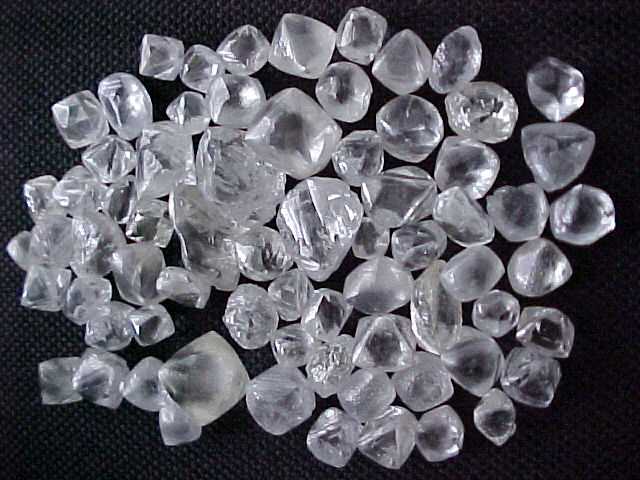
Understanding Rough Diamond Recovery
When a rough diamond is cut and polished, a significant portion of the original crystal is lost. This loss is unavoidable due to the need to remove inclusions, shape the stone, and maximise brilliance.
Different shapes produce different recovery percentages:
- Higher yield shapes retain more of the original rough
- Lower yield shapes sacrifice more material to achieve optical performance and symmetry
This difference directly impacts cost efficiency for cutters and ultimately influences market pricing.
Round Brilliant Cut: The Lowest Yield but Highest Demand
The round brilliant cut remains the most popular diamond shape globally due to its unmatched brilliance and light performance. However, it also has the lowest average recovery rate, typically ranging from 40 percent to 45 percent of the original rough diamond.
This means that more than half of the rough stone is lost during cutting. As a result, cutters must allocate more rough carat weight to produce a finished round brilliant diamond.
Because of this inefficiency, round diamonds carry a distinct pricing structure. They are often listed on a separate price sheet compared to fancy shapes, reflecting their lower yield and consistently strong market demand.
In practice, this means:
- Higher cost per polished carat
- Separate pricing benchmarks in global diamond trading
- Strong liquidity due to consumer preference
Fancy Shapes and Higher Recovery Efficiency
Fancy shaped diamonds generally achieve higher recovery rates, often between 50 percent and 70 percent depending on the specific shape and quality of the rough stone.
Common fancy shapes include:
- Oval
- Cushion
- Princess
- Emerald
- Pear
- Marquise
- Radiant
- Asscher
These shapes allow cutters to follow the natural structure of the rough diamond more efficiently, reducing waste and improving yield.
Because more of the rough diamond is preserved, fancy shapes are generally more cost efficient to produce. This efficiency is reflected in their pricing, which is typically lower per carat compared to round brilliant diamonds of equivalent quality.
Why Shape Drives Price Differences
The difference in pricing between round and fancy shapes is not simply a matter of popularity. It is fundamentally linked to manufacturing economics.
Key factors include:
1. Rough Utilisation
Round diamonds require significantly more rough material per finished carat, increasing production cost.
2. Cutting Strategy
Fancy shapes are often designed to maximise retention of weight from irregular rough crystals, improving overall yield.
3. Market Demand
Round brilliant diamonds remain the most in demand, which further strengthens their premium pricing structure.
4. Inventory and Supply Chain
Because fewer polished carats are produced from the same amount of rough, round diamonds are less efficient to supply, reinforcing their separate pricing benchmarks.
Separate Pricing Structure for Round Brilliant Diamonds
Due to their unique combination of high demand and low recovery efficiency, round brilliant diamonds are typically priced using a dedicated pricing list in the wholesale market.
This separation reflects:
- Higher manufacturing loss during cutting
- Consistent global demand for round brilliance
- Different valuation dynamics compared to fancy shapes
Fancy shapes, by contrast, are generally grouped within broader pricing frameworks that account for their higher yield and more flexible cutting outcomes.
Diamond shape is not only a design choice but a critical economic factor in the diamond industry. Recovery rates from rough stone directly influence pricing structures, with round brilliant diamonds standing apart due to their lower yield and strong consumer demand.
At DCLA, understanding these differences is essential for accurate valuation, certification, and market analysis. As the diamond trade continues to evolve, the relationship between rough recovery and polished pricing remains one of the most important principles shaping global diamond values.
Comments are closed