Okavango: “It wasn’t an Emergency Tender”

Okavango Diamond Company

Okavango, Botswana’s state-owned diamond company, says its planned sale of 1m rough carats last month was not “an emergency tender”.

And it says the fact that it didn’t sell a single stone didn’t mean it was a failure. Rather, it was the result of a “deliberate and prudent decision to withhold certain goods”.

The “closed” tender on 25 September was reportedly aimed at raising revenue for the government (something the company denies) which had been severely hit by the slump in demand for natural diamonds. But buyers weren’t prepared to pay the reserve prices.

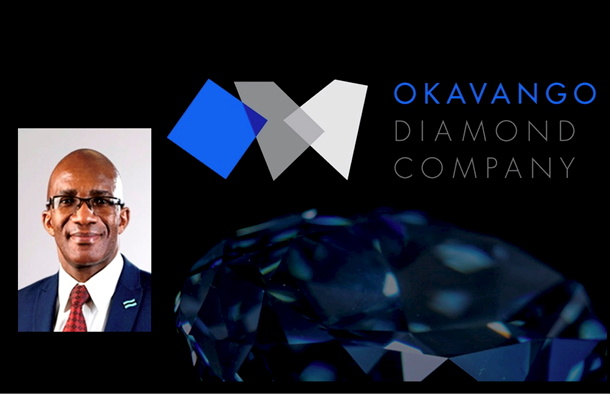
“Withholding goods in the short term ensures better outcomes for the market,” Okavango Diamond Company’s managing director Mmetla Masire (pictured) said in a statement.

“We will not join the race to the bottom on prices, our focus is on protecting the integrity and enduring value of Botswana’s diamonds.”

It said the tender was scheduled back in July and was part of regular sales management, not a last-minute revenue-raising emergency.

The ad hoc tender was a marked departure from the norm. ODC usually holds about 10 scheduled online spot auctions annually for registered buyers, typically raising at least $60m.

The company now sells 30 per cent of the rough output from Debswana, the 50/50 joint venture between the Botswana government and De Beers.

Source: IDEX

20-Carat ‘Okavango Blue’ Diamond Goes on Display

The public can now feast their eyes on a big blue diamond thanks to New York’s American Museum of Natural History.  The museum opened an exhibition Tuesday showcasing the “Okavango Blue,” a 20.46-carat oval-cut fancy deep blue diamond on loan from Okavango Diamond Company, which is wholly owned by the government of Botswana. 

It has been given a VVS1 clarity grade from GIA.  The diamond came from Botswana’s Orapa mine and is the largest of its kind found in the country to date.  The Okavango Blue was named after Botswana’s Okavango Delta, a UNESCO World Heritage Site of global importance for biological conservation and diversity.  It’s the first time the diamond is on view to the public and sits at the center of a larger presentation about diamonds from Botswana, exploring industrial uses for diamonds and how Botswana runs its diamond industry as well as educating about the different characteristics of diamonds like size, shape, color, and quality.  Botswana is the second-largest producer of natural diamonds in the world, behind Russia.   Previous

The Okavango Blue Diamond, pictured here in the center display, is part of a presentation about the variety of natural diamonds found in Botswana. (Photo credit: D. Finnin/©AMNH)
The Okavango Blue Diamond, pictured here in the center display

Next “Our natural diamond resources are managed responsibly in a manner that puts the people of Botswana first,” said Okavango Diamond Company Managing Director Mmetla Masire. “There is a strong sense of local pride knowing that these diamonds are improving the lives of Batswana, with profits directly reinvested in education, infrastructure, and public health. “We are so pleased to share with the world the larger story of the diamond industry of Botswana. The Okavango Blue is not just an ordinary 3-billion-year-old polished carbon element, but rather a physical embodiment of the passing of time, a fragment of eternity. Our diamonds tell the rich history and unique journey of Botswana’s development.” The exhibition sits in the Melissa and Keith Meister Gallery in the museum’s new Allison and Roberto Mignone Halls of Gems and Minerals, which reopened in June after a major renovation.   The Okavango Blue and its corresponding Botswana diamonds exhibition will run for six months, AMNH confirmed. 

Source: nationaljeweler