
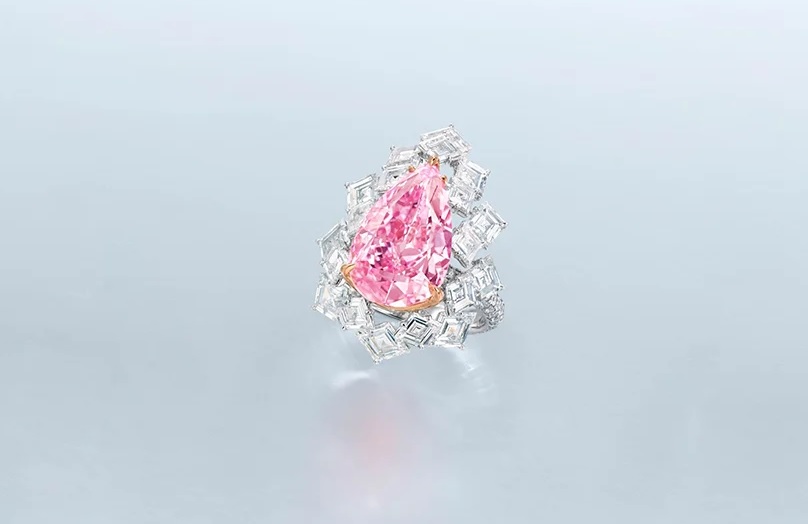
Exceptional natural pink diamond achieves HK$115.5 million, highlighting the extraordinary demand for the world’s rarest coloured diamonds.
A spectacular 8.41-carat natural pink diamond has achieved an impressive HK$115.5 million (approximately US$14.7 million) at Christie’s Magnificent Jewels auction in Hong Kong on 24 November 2026, comfortably exceeding its pre-sale estimate and reinforcing the enduring appeal of exceptional coloured diamonds.
Named The Pink Petal, the pear-shaped diamond was graded Fancy Vivid Purple-Pink, VS1 clarity. Surrounded by round and lozenge-shaped diamonds, the centre stone was undoubtedly the highlight of the sale, attracting significant interest from international collectors.
The original estimate was HK$65 million to HK$95 million (approximately US$8.3 million to US$12.1 million). Its final result of HK$115.5 million demonstrates the extraordinary premiums that exceptional natural coloured diamonds can command.
The overall Hong Kong Magnificent Jewels auction achieved HK$536.9 million (approximately US$68.5 million), with several other important gemstones and signed jewellery pieces also achieving strong results.
Why Natural Pink Diamonds Are So Rare
Pink diamonds occupy a particularly prestigious position in the coloured diamond market. Unlike many other coloured diamonds, where trace elements such as nitrogen or boron contribute to their colour, natural pink diamonds are generally understood to derive their colour from changes to the diamond’s crystal structure during its geological formation.
These structural distortions alter the way light passes through the diamond, producing its characteristic pink appearance.
The precise origin and intensity of colour are important considerations when assessing these stones. Natural pink diamonds can display a broad spectrum of hues, ranging from delicate pale pink through to intense pink, purplish pink and vivid purple-pink.
The most sought-after examples combine strong colour saturation, attractive hue, excellent transparency and desirable clarity characteristics.
For further information, read DCLA’s guide to Pink Diamonds, and explore the DCLA Diamond Glossary for explanations of diamond terminology and grading characteristics.
Understanding Fancy Vivid Colour Grading
One of the most important factors contributing to the value of this particular diamond was its Fancy Vivid Purple-Pink colour classification.
Coloured diamonds are assessed differently from colourless diamonds. Rather than being graded on the conventional D-to-Z colour scale, fancy-colour diamonds are evaluated according to their hue, tone and saturation.
The term Fancy Vivid represents the highest saturation category within the standard fancy-colour grading scale. Achieving this classification is particularly significant for pink diamonds, where strong, attractive natural colour is exceptionally uncommon.
The VS1 clarity grade also indicates that the diamond contains only very slight inclusions when examined under standard 10-times magnification.
However, colour remains a particularly influential factor in the value of exceptional pink diamonds. Two stones of similar carat weight and clarity can have dramatically different values depending on their exact colour characteristics.
The Other Highlights of the Auction
While the pink diamond dominated the sale, several other important gemstones achieved notable prices.
Among the leading results were:
- Cartier Burmese Ruby Brooch: A 10.10-carat antique cushion-shaped Burmese ruby surrounded by diamonds sold for HK$53.4 million (US$6.8 million).
- Burmese Sapphire Pendant: A spectacular 100.16-carat oval-cut sapphire with diamond accents achieved HK$42.4 million (US$5.4 million).
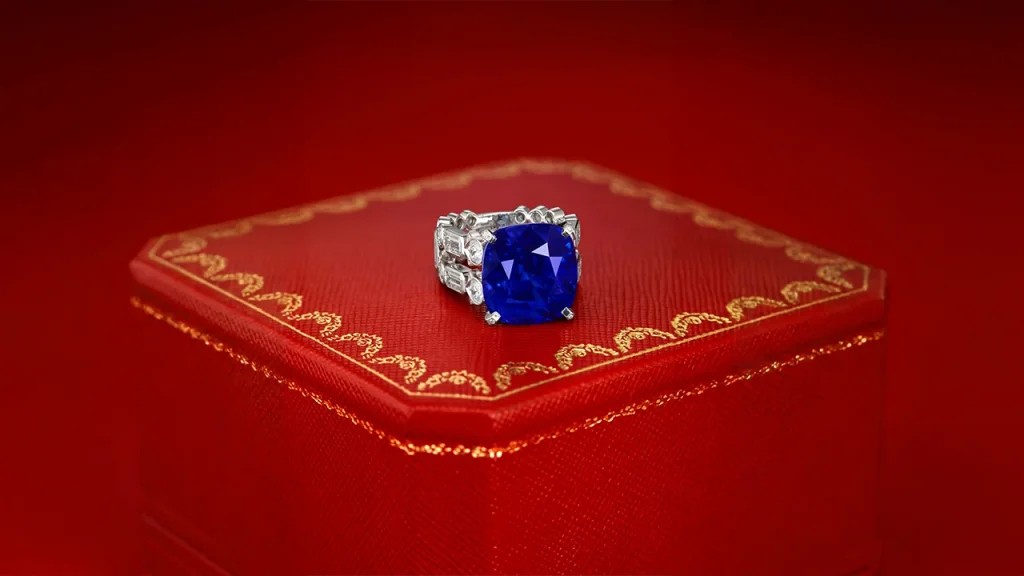
- Cartier Kashmir Sapphire Ring: A 21.05-carat cushion-shaped Kashmir sapphire ring sold for HK$38.1 million (US$4.9 million).
- Burmese Jadeite Necklace: A necklace featuring 33 jadeite beads achieved HK$24.7 million (US$3.1 million).
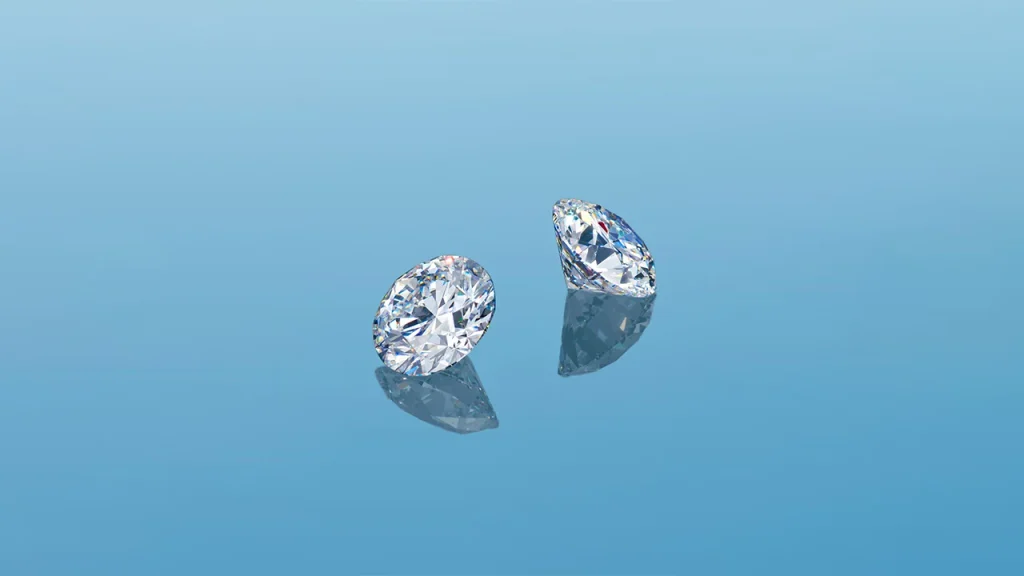
- D-Flawless Diamonds: A pair of Type IIa round brilliant diamonds weighing 10.17 and 10.13 carats sold for HK$12.2 million (US$1.6 million).
These results demonstrate that demand for exceptional natural gemstones continues across several categories, particularly where rarity, quality, provenance and craftsmanship come together.
Rarity, Certification and the Importance of Expert Assessment
Exceptional coloured diamonds require careful professional examination. Establishing whether a diamond is natural, determining its colour origin, assessing its colour distribution and documenting its gemmological characteristics are all important parts of the evaluation process.
For pink diamonds in particular, accurate identification and independent laboratory documentation are essential. The distinction between natural colour and colour resulting from artificial treatment can have a substantial impact on a diamond’s desirability and market value.
At the Diamond Certification Laboratory of Australia (DCLA), our focus is on independent diamond examination, identification and certification. Understanding the characteristics of a diamond is fundamental to appreciating its true rarity and quality.
The Christie’s result is another reminder that exceptional natural pink diamonds are not simply beautiful gemstones. They represent some of the rarest and most desirable natural materials in the jewellery world.
- Pink Diamonds – DCLA – coloured diamond information.
- The DCLA Diamond Glossary – includes a dedicated Pink Diamond glossary entry.
- The Extraordinary Rarity of Pink Diamonds – previous coverage of this same 8.41-carat diamond.
- Boodles and the Argyle Pink Diamond Acquisition – useful background on the Argyle mine and the limited supply of pink diamonds.
- Christie’s Official Auction Information – original auction details.
Comments are closed