
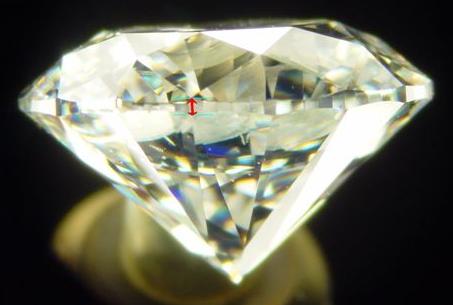
Girdle Thickness
Girdle thickness refers to the width of the diamond's girdle, which is the outer edge separating the[…]
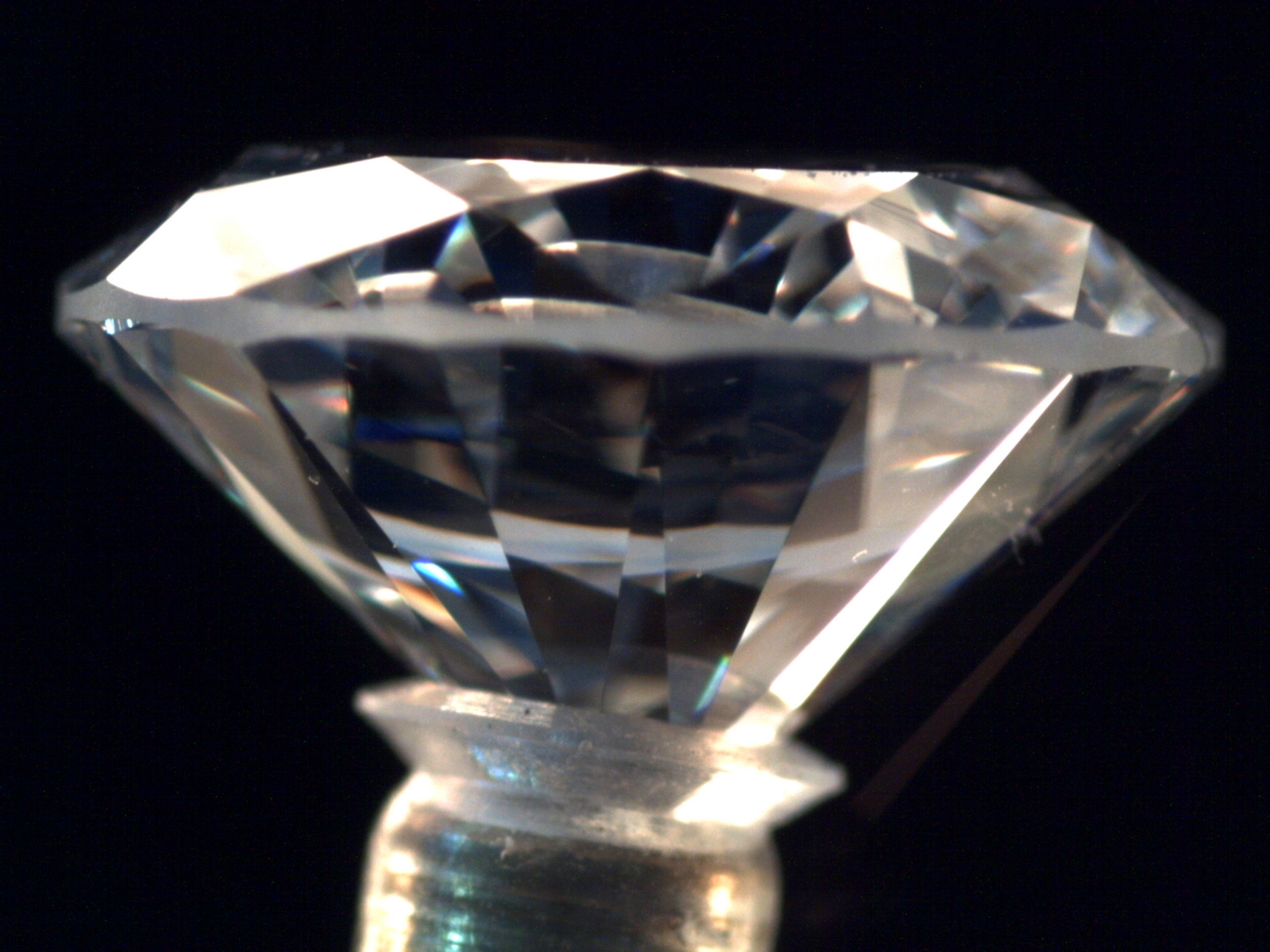
Girdle
The girdle helps protect the diamond from chipping and damage, particularly along its edges. A properly proportioned girdle[…]

Gemmology
Gemmology is the scientific study of gemstones, encompassing their identification, evaluation, grading, and authentication.
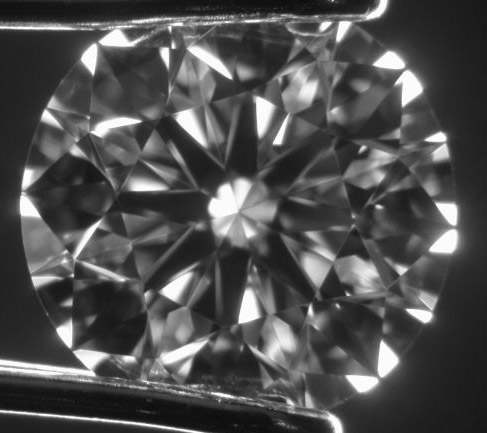
Gem Quality
Only about 20% of mined diamonds are of gem quality, meaning they meet the necessary standards for[…]
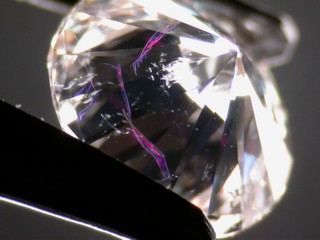
Fracture Filling
Fracture filling is a treatment used to improve the clarity and appearance of diamonds that have visible[…]
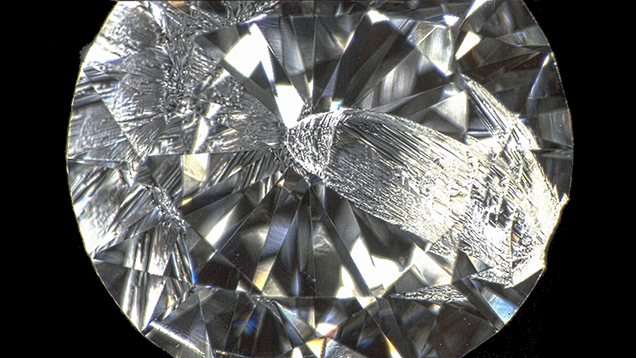
Fracture
A fractured diamond refers to a diamond that has an internal fracture, often called a fracture or
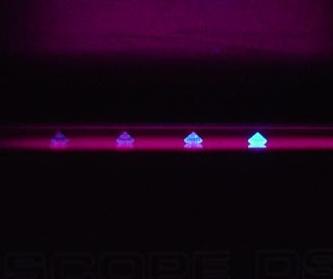
Fluorescence
Fluorescence in diamonds refers to the glow that a diamond emits when exposed to ultraviolet (UV) light.
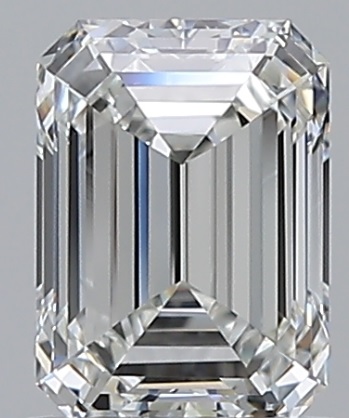
Flawless
Flawless is a clarity grade used to describe diamonds that have no visible inclusions (internal flaws) or[…]
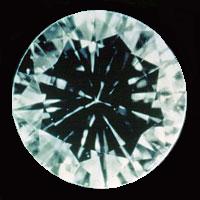
Flat Diamond
A flat cut diamond refers to a diamond that has a shallower cut, where the crown (the[…]